
What's Happening?
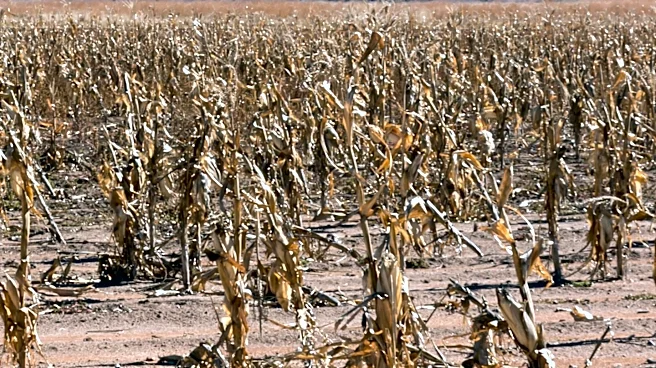
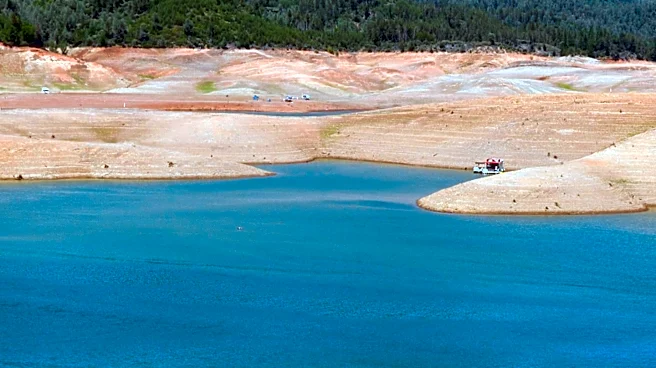
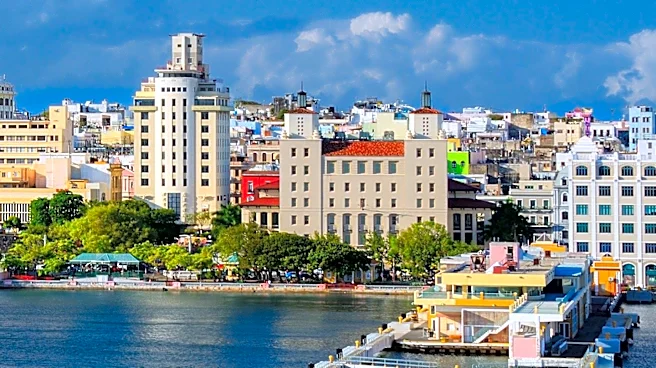
Puerto Rico is facing a severe water crisis as the territory begins implementing water rationing measures due to an ongoing drought. Residents in San Juan and surrounding areas have been experiencing unreliable water access for over 100 days. Starting
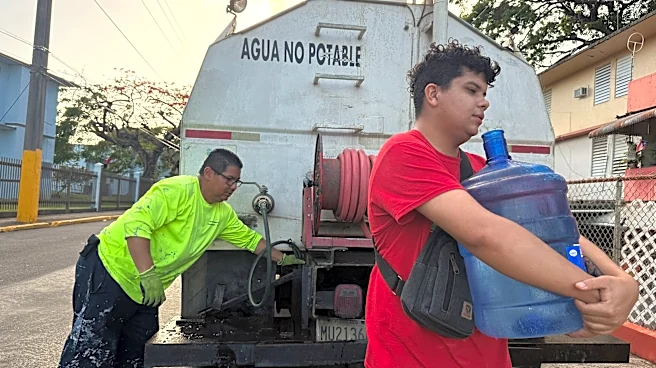
Friday, more than 180,000 customer accounts will be without water for 48 hours at a time, with the possibility of extending to 72 hours. The drought has been exacerbated by record low rainfall in July, marking the driest month since 1899. The government is struggling to find solutions, with Governor Jenniffer González attributing the crisis to weather conditions. The National Weather Service predicts continued dry conditions, and the Municipal Office for Emergency Management is providing water for cisterns in affected areas.
Why It's Important?
The water crisis in Puerto Rico highlights the vulnerability of the island's infrastructure and the impact of climate change on essential resources. The rationing measures affect a significant portion of the population, disrupting daily life and raising concerns about public health and safety, especially for vulnerable groups like the elderly. The situation underscores the need for investment in infrastructure and sustainable water management practices. The crisis also poses a challenge for local authorities and could influence public opinion and policy decisions regarding environmental and resource management.
What's Next?
The Puerto Rican government is under pressure to address the water crisis, with potential legal actions looming if solutions are not found. The island's Water and Sewer Authority faces scrutiny over its infrastructure and management practices. Federal grants and loans have been allocated for water infrastructure projects, but their implementation and effectiveness remain to be seen. The ongoing drought and water shortages may prompt further government interventions and could lead to increased public demand for accountability and transparency in resource management.