








What's Happening?
The Oregon Health Authority has released updated guidelines to help families, schools, and athletic leagues determine when and how to conduct outdoor activities during periods of wildfire smoke and poor air quality. This update comes as Oregon faces an early
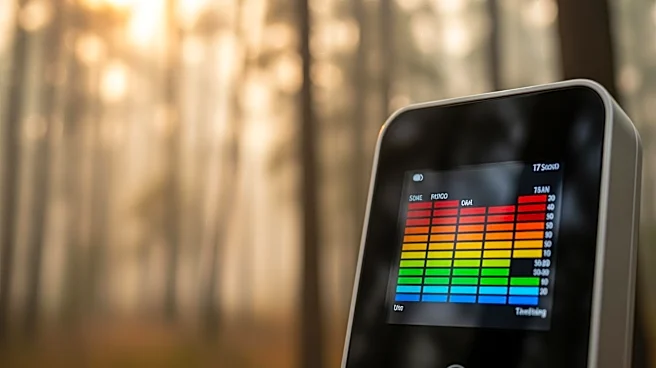
and prolonged wildfire season, expected to last into October due to historic heat and drought conditions. The guidelines are based on the air quality index, which measures pollutants like particulates and carbon monoxide, with ratings from 0 to 500. The new recommendations reflect recent scientific findings that suggest smoke can harm children at lower exposure levels than previously understood. Children, especially those with asthma, lung or heart disease, or diabetes, are particularly vulnerable due to their higher air intake relative to body weight.
Why It's Important?
The updated guidelines are significant as they aim to protect the health of children and youth, who are more susceptible to air pollution. By providing clear instructions on when to limit or cancel outdoor activities, the guidelines help mitigate health risks associated with poor air quality. This is crucial for maintaining the physical and mental well-being of young individuals, especially in a state like Oregon, where outdoor activities are a key part of life. The guidance also underscores the importance of balancing outdoor exercise with health safety, highlighting the need for adaptive strategies in response to environmental changes.
What's Next?
As the wildfire season progresses, schools and organizations will need to closely monitor air quality levels and adjust outdoor activities accordingly. The guidelines suggest canceling or relocating events when air quality is deemed unhealthy. This proactive approach may lead to increased indoor activities or the use of alternative locations with better air quality. Stakeholders, including parents and educators, will play a critical role in implementing these guidelines to ensure the safety of children. Continued monitoring and potential updates to the guidelines may occur as more data becomes available.