





What's Happening?
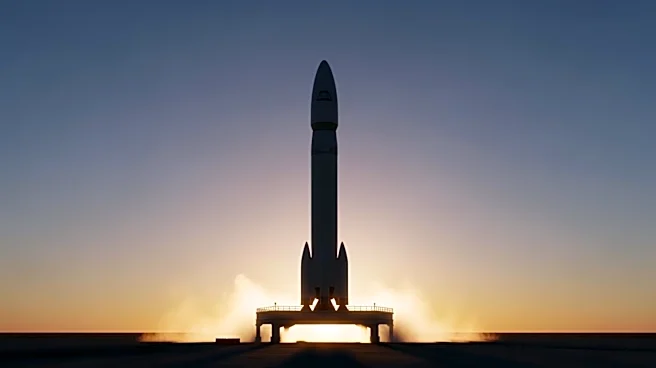
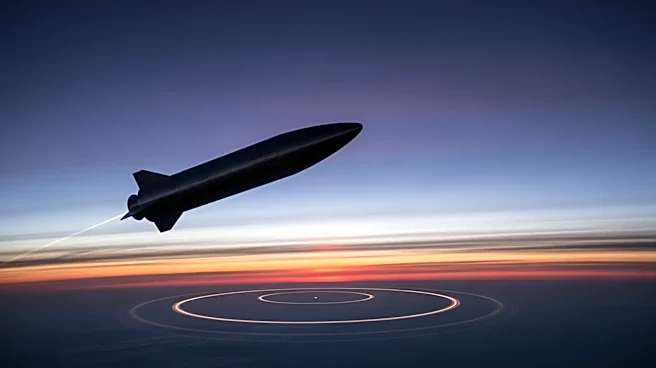
Recent studies have revealed that debris from burning satellites and rockets can act as catalysts for chemical reactions that destroy the ozone layer, which protects Earth from harmful ultraviolet radiation. The re-entry of the upper stage of a SpaceX
Falcon 9 rocket into the atmosphere was the first documented instance of man-made chemical pollution detected by ground-based systems. Scientists at the Leibniz Institute for Atmospheric Physics are using LiDAR technology to track the ablation of space debris and its impact on the atmosphere. The rapid expansion of satellite networks, such as Starlink, is contributing to the introduction of synthetic materials into the atmosphere, raising concerns about their long-term effects.
Why It's Important?
The findings highlight a significant environmental challenge posed by the growing number of satellites and space debris. The potential destruction of the ozone layer could have severe consequences for life on Earth, increasing exposure to harmful UV radiation. This issue underscores the need for international cooperation and regulation to address the environmental impact of space activities. The research calls for large-scale experiments to better understand and mitigate the effects of space debris on the atmosphere.
What's Next?
Scientists are advocating for comprehensive studies and experiments to simulate spacecraft re-entry and assess its environmental impact. There may be increased pressure on space agencies and private companies to develop sustainable practices and technologies to minimize space debris. Policymakers could consider implementing stricter regulations on satellite launches and re-entries to protect the atmosphere and the ozone layer.