





What's Happening?
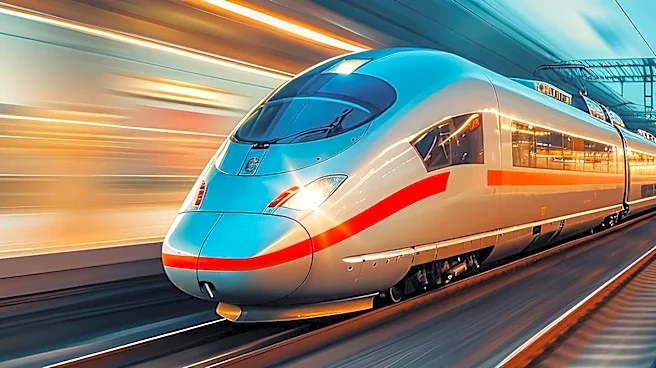
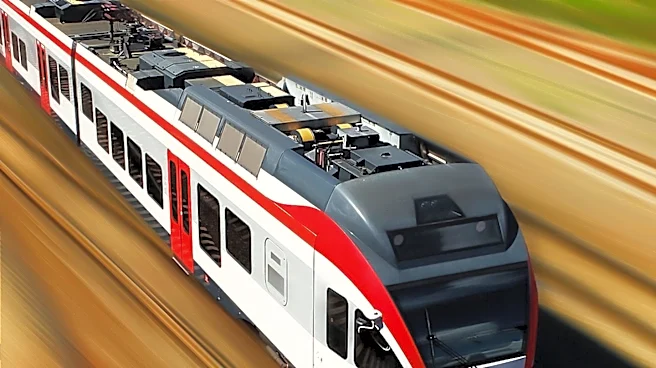
The Acela train provides a high-speed rail service connecting Boston and New York City, with typical journey times ranging from 3 hours and 40 minutes to 3 hours and 50 minutes. This service is characterized by its tilting technology, which enables the
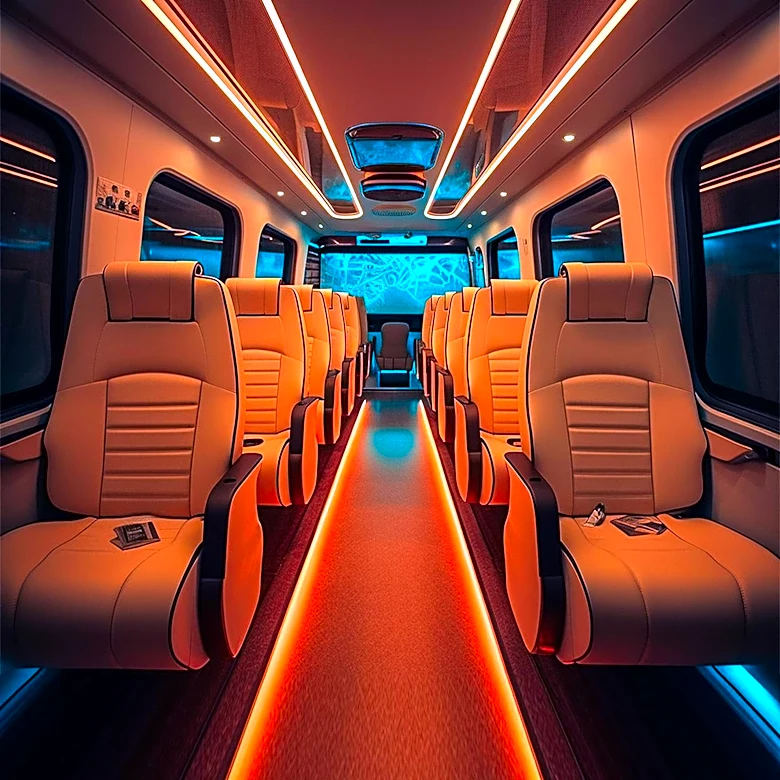
train to maintain higher speeds on curves while ensuring passenger comfort. Operating on electrified tracks, the Acela can achieve speeds of up to 150 mph, though average speeds on most of the route are between 70 and 90 mph due to existing infrastructure limitations. Multiple Acela trains run daily, offering frequent departures and flexibility for travelers. Amenities include a dining car with hot meals, snacks, and beverages, as well as a quiet car designed for business travelers. Booking in advance is recommended, especially during peak travel periods, as the popular route can see seating fill up quickly.
Why It's Important?
The Acela service is a critical component of the Northeast Corridor's transportation network, offering a significant alternative to air and road travel between two major U.S. economic and cultural hubs. Its high-speed capability and amenities cater particularly to business travelers, allowing for productive use of travel time with reliable power and internet connectivity, a distinct advantage over air travel's pre-departure security checks and airport commutes. The efficiency and comfort provided by Acela contribute to regional economic activity by facilitating easier movement of professionals and tourists. Furthermore, rail travel, including the Acela, is recognized for its lower carbon emissions per passenger mile compared to cars or airplanes, making it a more sustainable transportation option. This environmental benefit aligns with growing public and corporate interest in reducing carbon footprints, positioning Acela as an important choice for environmentally conscious travelers.
What's Next?
Travelers planning to use the Acela service between Boston and New York City should continue to book tickets in advance, particularly during busy travel seasons, to secure seating. Amtrak and associated state agencies are continuously working on infrastructure maintenance and improvements along the Northeast Corridor. These ongoing efforts, such as the long-term project to replace the aging Portal Bridge in New Jersey, aim to enhance reliability and potentially enable even faster journey times in the future. Passengers can utilize real-time train tracking applications to monitor train locations and predicted arrival times, which is especially useful given potential delays due to harsh weather conditions or scheduled maintenance. The continued investment in and modernization of the rail corridor suggest a sustained commitment to improving the travel experience between these key cities.
Beyond the Headlines
The Acela's role extends beyond mere transportation; it symbolizes a commitment to modern, efficient, and sustainable intercity travel in the U.S. The emphasis on passenger comfort, productivity-enhancing amenities like Wi-Fi, and dining options reflects an evolving expectation for travel experiences that integrate work and leisure seamlessly. The environmental advantages of rail travel, particularly on a heavily trafficked corridor, highlight a broader shift towards more eco-friendly transportation choices, influencing public perception and policy discussions around infrastructure development. The Acela's success could also serve as a model for future high-speed rail projects in other densely populated U.S. regions, potentially fostering economic growth and reducing reliance on less sustainable modes of transport. This service underscores the potential for rail to play a more prominent role in the nation's transportation future.