





What's Happening?
Cuba's tourism sector is experiencing a significant downturn due to U.S. sanctions imposed by the Trump administration. These sanctions have disrupted the island's economy, leading to a 58% drop in tourist arrivals in the first five months of 2026 compared
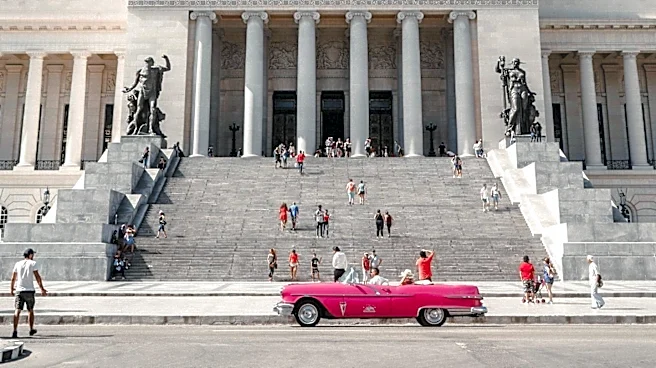
to the previous year. The sanctions have also affected Cuba's ability to receive oil supplies and maintain air travel, further exacerbating the economic challenges. As a result, former tourist hotspots like Old Havana are now largely deserted, impacting local businesses and the overall economy.
Why It's Important?
The decline in tourism is a major blow to Cuba's economy, which heavily relies on this sector for revenue. The U.S. sanctions aim to pressure the Cuban government to open its political system and allow foreign investment, but they also have severe consequences for the local population. The situation highlights the broader geopolitical tensions between the U.S. and Cuba and the impact of economic policies on ordinary citizens. For Cuba, the loss of tourism revenue could lead to further economic instability and hardship for its people.
What's Next?
Cuba may need to explore alternative strategies to attract tourists and mitigate the impact of U.S. sanctions. This could involve seeking new markets or partnerships to boost tourism and diversify the economy. The Cuban government might also consider reforms to encourage foreign investment and improve the business environment. As the situation evolves, the international community will likely monitor the effects of the sanctions and their implications for U.S.-Cuba relations. The outcome could influence future diplomatic and economic policies between the two countries.