








What's Happening?
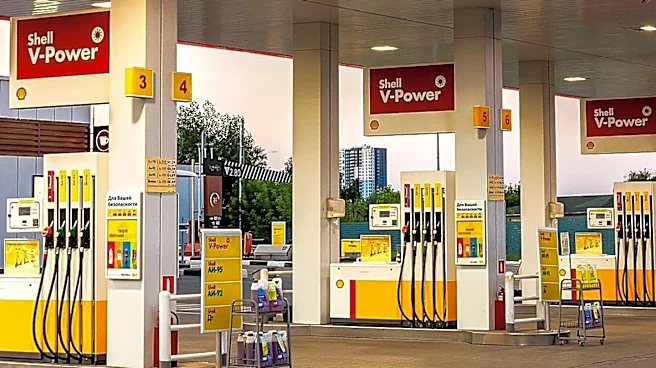
Russia is experiencing significant fuel shortages, leading to long queues at gas stations across the country. This situation has been exacerbated by the ongoing conflict with Ukraine, where Russian military operations, particularly the use of drones,
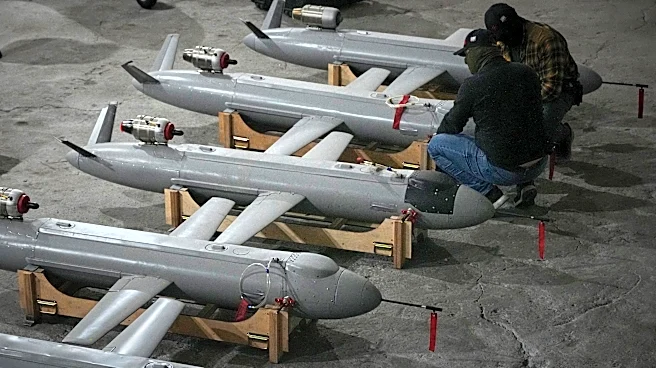
have consumed substantial amounts of gasoline. According to reports, in May alone, Russia used approximately 545,000 liters of gasoline to fuel its Geran-2 drones and decoy targets. The Geran-2 drones, which are a type of Shahed drone, require an average of 105 liters of gasoline each. The fuel consumption for these drones, along with the additional gasoline used for decoy targets, has contributed to the scarcity of fuel available for civilian use.
Why It's Important?
The fuel shortages in Russia highlight the broader economic and logistical challenges faced by the country amid its military operations in Ukraine. The significant diversion of gasoline for military purposes not only strains domestic fuel supplies but also impacts the daily lives of Russian citizens who are now facing long waits at gas stations. This situation underscores the economic costs of prolonged military engagements and the potential for domestic unrest as essential resources become scarce. Additionally, the reliance on drones in military operations reflects a strategic shift in warfare, emphasizing the importance of technological advancements in modern conflicts.
What's Next?
As the conflict continues, it is likely that Russia will need to address its fuel supply issues to maintain both military operations and domestic stability. This may involve seeking alternative fuel sources or increasing production to meet the heightened demand. The ongoing fuel shortages could also prompt the Russian government to implement rationing measures or prioritize military needs over civilian consumption, potentially leading to further public dissatisfaction. Internationally, the situation may influence Russia's diplomatic relations, particularly with countries that could provide support or resources to alleviate the fuel crisis.