


What's Happening?
Mystic Aquarium's Animal Rescue Program (ARP) has been actively involved in rescuing, rehabilitating, and releasing sick, injured, and stranded marine animals since 1975. Operating along 1,000 miles of the Northeastern coastline, including Connecticut,
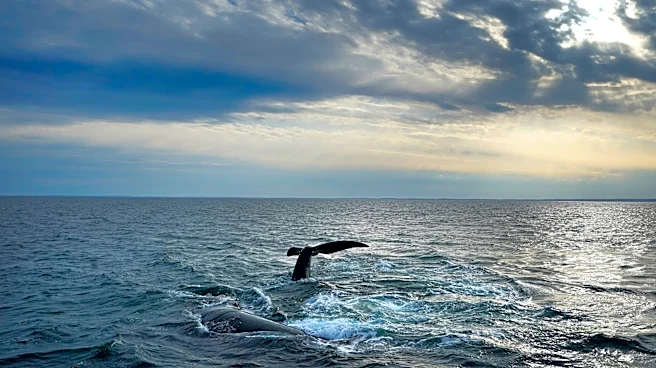
Rhode Island, and Fishers Island, New York, the ARP is a founding member of the Greater Atlantic Region Stranding Network. The program works in close collaboration with the National Oceanic and Atmospheric Administration (NOAA) Fisheries, which serves as its permitting office, and other government agencies. The Animal Rescue Team responds to an average of 150 hotline calls annually and provides support to other stranding facilities across New England, and even as far as California and Bermuda. Marine mammals, whether dead or alive, are protected under the Marine Mammal Protection Act of 1972, which prohibits hunting, harassing, capturing, or killing them.
Why It's Important?
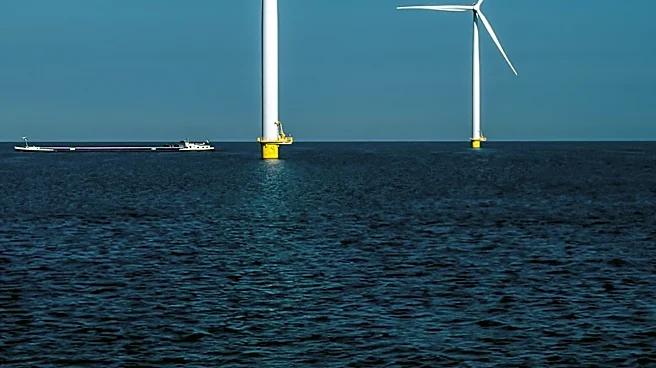
The work of Mystic Aquarium's ARP is crucial for marine conservation and public health. By rescuing and rehabilitating stranded marine animals, the program directly contributes to the survival of individual animals and provides valuable data on the overall health of marine populations. The collaboration with NOAA Fisheries and other agencies ensures a coordinated response to stranding events and facilitates research into the causes of these incidents. This research, including necropsies on deceased marine mammals, helps identify threats such as ship strikes and entanglement, which are significant contributors to Unusual Mortality Events (UMEs) declared by NOAA for species like whales. Understanding these causes is vital for developing effective conservation strategies and informing public policy related to marine ecosystems and human activities like offshore wind energy projects.
What's Next?
The ARP will continue its efforts in responding to stranding calls, rehabilitating marine animals, and contributing to the Greater Atlantic Region Stranding Network. Ongoing research, including necropsies, will remain a key component of their work to understand the health of marine animals and their environment. NOAA will continue to update its FAQ document regarding concerns about offshore wind energy projects and their potential contribution to marine mammal mortalities. Public awareness campaigns encouraging citizens to report sightings of dead or alive marine mammals or sea turtles will likely continue to be important for the program's success. The data collected by the ARP and its partners will inform future conservation efforts and potentially influence regulations aimed at protecting marine life.
Beyond the Headlines
The work of the ARP highlights the complex relationship between human activities and marine ecosystems. The increasing frequency of Unusual Mortality Events and the public's concern about factors like offshore wind energy projects underscore the need for continuous monitoring and research. The Marine Mammal Protection Act of 1972 serves as a foundational legal framework, but its effectiveness relies on robust enforcement and public cooperation. The program also emphasizes the role of citizen science, as hotline calls from the public are critical for identifying and responding to stranded animals. Beyond the immediate rescue efforts, the ARP's data contributes to a broader scientific understanding of climate change impacts, ocean pollution, and the long-term health of marine biodiversity, influencing global conservation strategies.