










What's Happening?
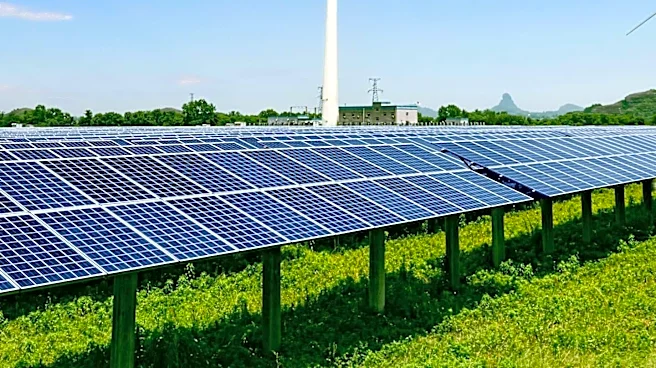
The Harlem School District in Machesney Park, Illinois, has launched a 5.5-megawatt solar project in partnership with New Energy Equity. The project is expected to generate 8.3 million kilowatt-hours of electricity annually, enough to power 1,002 homes.
It will provide financial benefits to the school district through lease payments and utility bill credits, helping to offset energy costs. Additionally, the project will fund a scholarship program, awarding $10,000 annually to students for 25 years, totaling $250,000.
Why It's Important?
This solar project represents a significant step towards sustainable energy use and financial savings for the Harlem School District. By reducing reliance on traditional energy sources, the district can lower its carbon footprint and contribute to environmental sustainability. The financial benefits from the project will support educational initiatives, providing scholarships to students and reducing operational costs. This initiative serves as a model for other school districts looking to integrate renewable energy solutions and enhance educational opportunities.
What's Next?
The Harlem School District will continue to benefit from the solar project through reduced energy costs and scholarship funding. The success of this initiative may encourage other districts to explore similar renewable energy projects. As the project progresses, there may be opportunities to expand solar capacity or integrate additional sustainable practices within the district. Continued collaboration with New Energy Equity and other stakeholders will be essential to maximizing the project's impact.
Beyond the Headlines
The launch of the solar project highlights the potential for renewable energy to drive positive change in educational settings. By investing in sustainable infrastructure, school districts can achieve long-term financial savings and environmental benefits. This initiative also underscores the importance of public-private partnerships in advancing renewable energy adoption and supporting community development. As more districts adopt similar projects, there may be broader shifts towards sustainable energy use in educational institutions nationwide.