

What's Happening?
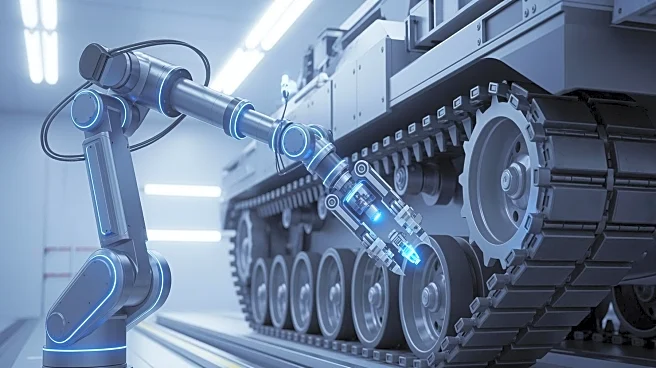
The Israeli Defense Forces (IDF) have unveiled a new robotic system developed by Ruby AI, designed to perform tank maintenance tasks autonomously. This innovative robot can complete 48 hours of maintenance work, including fault location and equipment
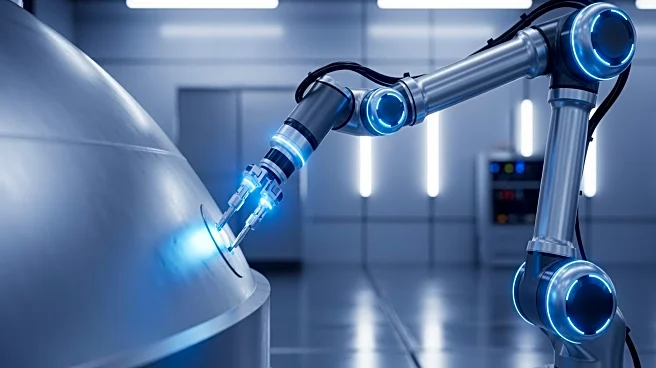
cleaning, in just two hours. The robot operates without the need for soldiers to be present in potentially dangerous environments, thereby reducing their exposure to chemicals, oils, and extreme heat. Ruby AI, founded by Daniel Ben Dov, employs around 20 engineers specializing in software, hardware, aerospace, and physical artificial intelligence. The robot, resembling a mechanical octopus with multiple arms, is capable of penetrating a tank's engine to clean, wash, and scan, performing tasks that previously required human intervention. The system was developed to remove soldiers from hazardous maintenance duties and is now fully operational.
Why It's Important?
The introduction of this robotic system is significant as it enhances the safety and efficiency of military operations. By automating the maintenance of tanks, the IDF can reduce the risk of injury to soldiers and improve operational readiness. The robot's ability to work in harsh conditions without human intervention represents a technological advancement in military logistics. This development could lead to broader applications in military maintenance, potentially transforming how armed forces manage equipment upkeep. The technology also highlights the growing role of artificial intelligence in defense, offering a glimpse into future military capabilities where robots handle dangerous and repetitive tasks.
What's Next?
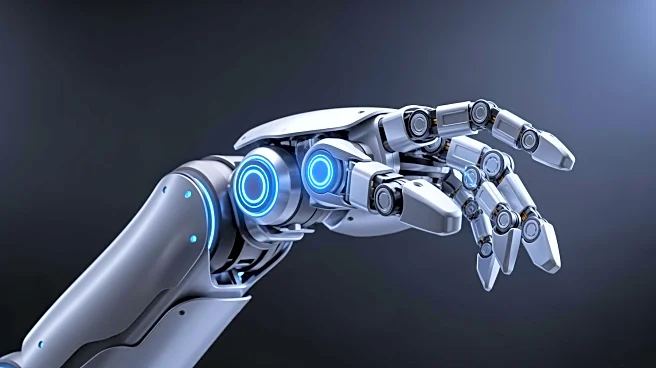
Ruby AI plans to expand the capabilities of its robotic systems, with future developments including robots that can assist in replacing heavy wheels on tanks and bulldozers. These tasks currently require significant physical effort and pose injury risks to soldiers. The company is also exploring the development of robots for clearing underground tunnels, a task that is extremely dangerous for soldiers. Additionally, Ruby AI is looking into applications in military medicine, such as bionic arms capable of performing precise therapeutic operations in hazardous environments. These advancements could further reduce the need for human presence in dangerous situations, enhancing safety and efficiency in military operations.
Beyond the Headlines
The deployment of AI-driven robots in military settings raises ethical and operational questions about the future of warfare. As robots take on more roles traditionally held by humans, there is a need to consider the implications for military personnel and the nature of combat. The use of robots in potentially lethal environments also necessitates discussions on accountability and decision-making in warfare. Furthermore, the integration of such technology could influence global military strategies and defense policies, as nations seek to leverage AI for strategic advantages.