





What's Happening?
A report from the Century Foundation, a U.S.-based non-partisan think tank, details how the Houthi group, which has controlled northern Yemen since 2014, is expanding its smuggling and training networks across the Red Sea into the Horn of Africa and Sudan.
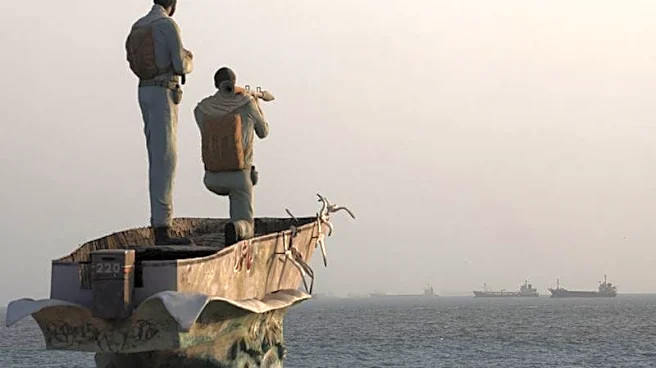
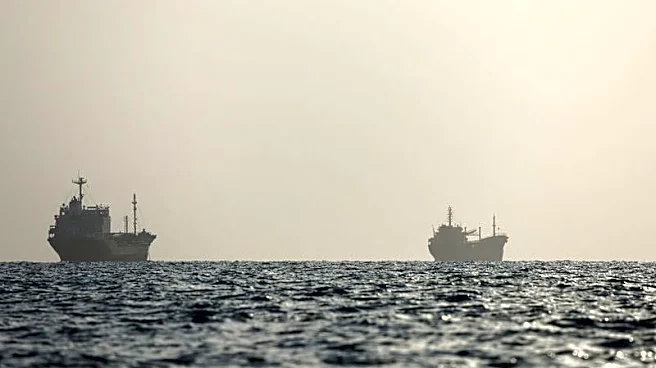
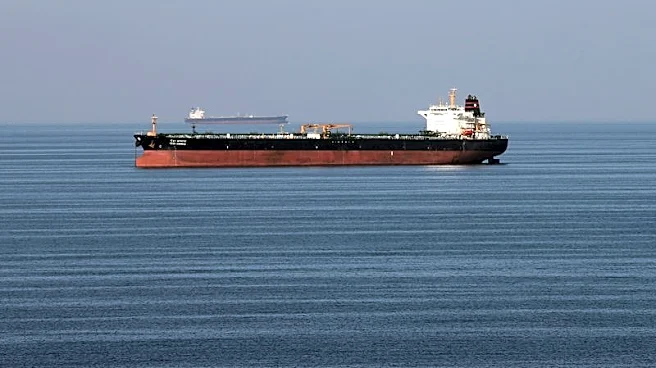
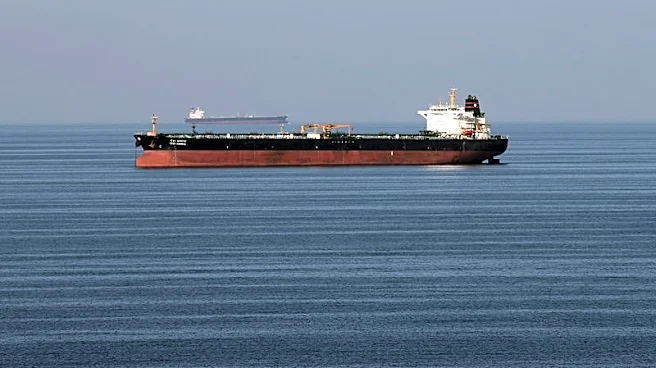
These networks involve deepening ties with groups such as Al Shabab in Somalia and the Sudanese Armed Forces. The report indicates that while these connections are currently transactional, they have the potential to become more durable, leading to serious consequences. The Houthis have been accused of depriving large segments of the Yemeni population of basic services, launching projectiles into neighboring countries, and making the Bab Al Mandeb strait a dangerous shipping lane. The group recently resumed attacks on Red Sea shipping after a year-long pause. Additionally, the Houthis fired ballistic missiles at government-held islands in the Red Sea, overlooking international shipping lanes, according to Yemen's state-run Saba TV channel. The Yemeni Navy thwarted a Houthi attack on these islands and seized a vessel carrying equipment allegedly smuggled from Iran for drone production.
Why It's Important?
The expansion of Houthi networks into Africa poses a significant threat to regional stability and international security. The potential for these transactional relationships to evolve into more permanent alliances could lead to increased firepower for groups like Al Shabab, enabling deadlier attacks. This development could also provide Iran with new avenues of influence, particularly as it engages in a protracted conflict with the U.S. The Houthis' activities in the Red Sea, including missile attacks on shipping and islands, directly impact global maritime trade and security, affecting U.S. economic interests and strategic alliances in the region. The U.S. and its allies have a vested interest in preventing the further entrenchment of Houthi influence and the proliferation of advanced weaponry to terrorist organizations, which could destabilize critical shipping routes and exacerbate existing conflicts. The report underscores the need for coordinated international pressure on smuggling routes and tighter scrutiny of dual-use technology transfers to mitigate these growing threats.
What's Next?
The international community is expected to increase coordinated pressure on Houthi smuggling routes and enhance scrutiny of dual-use technology transfers to prevent the group from further entrenching its networks in Africa. Diplomatic efforts will likely be renewed to isolate the Houthis' external patrons, particularly Iran. The U.S. and its allies may consider implementing more robust maritime security measures in the Red Sea to protect international shipping lanes from Houthi attacks. There could also be increased support for regional partners to counter Houthi influence and prevent the flow of weapons to extremist groups. The ongoing military escalation between government forces and the Houthis in Yemen, including drone and artillery strikes, suggests continued conflict. The focus will be on containing the Houthis within Yemen's borders and preventing their regional expansion, which could have far-reaching implications for security and stability in the Middle East and Africa.
Beyond the Headlines
The Houthi expansion into Africa highlights a broader geopolitical struggle for influence in the Red Sea region, a critical maritime corridor for global trade. This development could trigger a long-term shift in regional power dynamics, potentially increasing the frequency and intensity of proxy conflicts. The ethical implications of the Houthis' actions, including the deprivation of basic services to Yemenis and the targeting of civilian infrastructure, underscore the humanitarian crisis in Yemen. The group's alleged ties with terrorist organizations like Al Shabab raise concerns about the potential for increased radicalization and violence across the Horn of Africa. The situation also brings to light the challenges of combating illicit networks that exploit porous borders and regional instability. The U.S. faces the complex task of balancing counter-terrorism efforts with humanitarian concerns, while also addressing the strategic interests of various regional and international actors involved in the conflict.