





What's Happening?
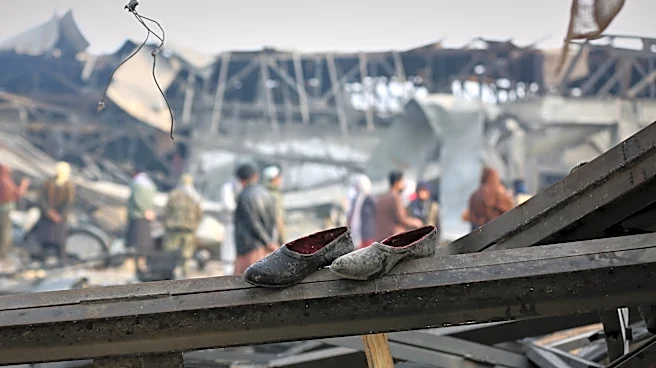
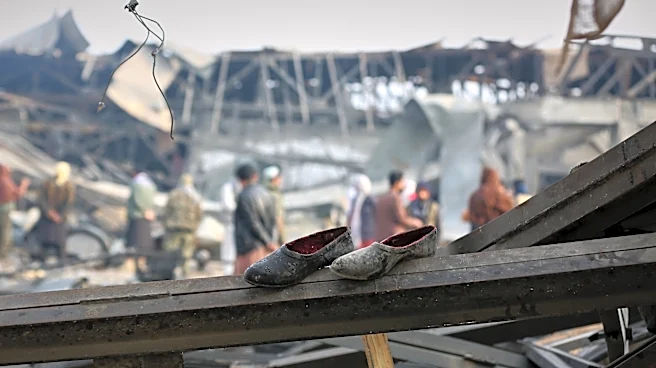
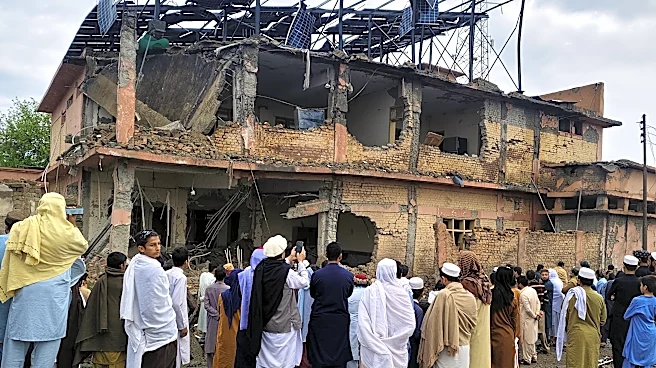
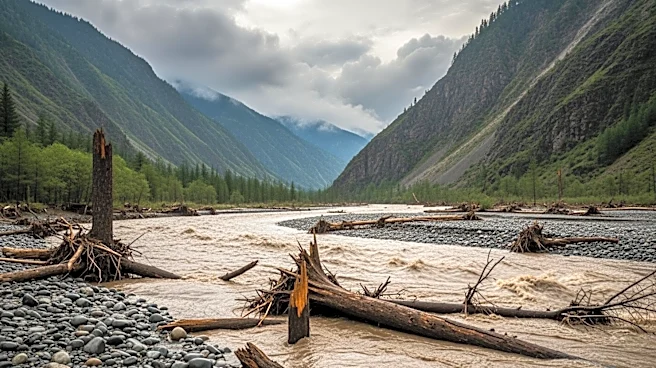
Afghanistan is experiencing severe weather conditions, including widespread flooding, landslides, and lightning strikes, which have resulted in the deaths of 77 people and injuries to 137 others over the past ten days. The country's Disaster Management
Authority has reported significant damage, with 793 homes destroyed and 2,673 damaged. Additionally, more than 200 miles of roads have been affected, disrupting transportation and forcing travelers to take longer routes. The Kabul-to-Jalalabad highway, a crucial route linking the capital to eastern provinces and the Pakistani border, has been shut due to landslides and flooding. The Salang Pass, connecting Kabul to northern cities, is also closed. The authority has warned of more rain in the coming days and advised the public to avoid flood-prone areas.
Why It's Important?
The ongoing extreme weather in Afghanistan highlights the country's vulnerability to natural disasters, exacerbated by its impoverished state. The destruction of infrastructure, homes, and agricultural land poses significant challenges to recovery and stability. The closure of major highways disrupts economic activities and access to essential services, further straining the country's resources. The situation underscores the need for improved disaster preparedness and infrastructure resilience to mitigate the impact of such events. The international community may need to provide aid and support to help Afghanistan cope with the aftermath and prevent further loss of life and property.
What's Next?
Afghanistan's Disaster Management Authority is working to reopen key transportation routes and provide assistance to affected families. The Public Works Ministry is actively engaged in clearing landslides and repairing damaged roads. However, with more rain forecasted, the risk of additional flooding and landslides remains high. The government may need to implement emergency measures to protect vulnerable communities and ensure the safety of travelers. International aid organizations could play a crucial role in providing relief and supporting reconstruction efforts. Long-term strategies to enhance infrastructure resilience and disaster response capabilities will be essential to prevent future tragedies.
Beyond the Headlines
The frequent occurrence of extreme weather events in Afghanistan raises concerns about climate change and its impact on vulnerable regions. The country's limited resources and infrastructure make it difficult to adapt to changing environmental conditions. This situation highlights the importance of global efforts to address climate change and support developing nations in building resilience. Additionally, the humanitarian crisis resulting from these disasters may lead to increased migration and displacement, further complicating regional stability. Addressing these challenges requires coordinated international action and investment in sustainable development.