
What's Happening?
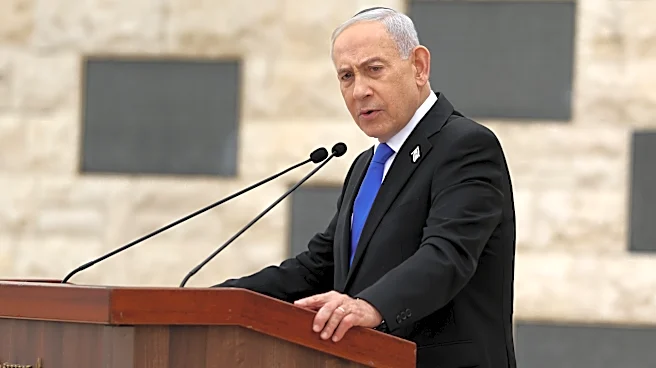
The United Arab Emirates continues to maintain discreet security ties with Israel, despite public denials of a visit by Israeli Prime Minister Benjamin Netanyahu. The UAE's strategic relationship with Israel, established
under the Abraham Accords, has deepened amid the ongoing conflict with Iran. However, the UAE's swift denial of Netanyahu's visit highlights the political sensitivities surrounding their cooperation. Analysts suggest that the UAE prefers to keep its security ties with Israel out of the public eye to avoid regional backlash and maintain its diplomatic standing.
Why It's Important?
The UAE's approach to its relationship with Israel reflects the complex geopolitical landscape of the Middle East. While the Abraham Accords have facilitated strategic cooperation, the UAE must navigate regional sensitivities, particularly regarding its ties with Israel amid tensions with Iran. The situation underscores the challenges faced by Middle Eastern countries in balancing their diplomatic and security interests. The UAE's discreet handling of its relationship with Israel highlights the importance of managing public perceptions and maintaining regional stability.
What's Next?
The UAE and Israel are likely to continue their strategic cooperation, focusing on security and economic interests. Both countries may seek to enhance their diplomatic engagement while managing public perceptions to avoid further regional tensions. The ongoing conflict with Iran and the broader geopolitical dynamics in the Middle East will continue to shape the relationship between the UAE and Israel. Future developments may include further diplomatic initiatives and efforts to strengthen regional alliances.