


What's Happening?
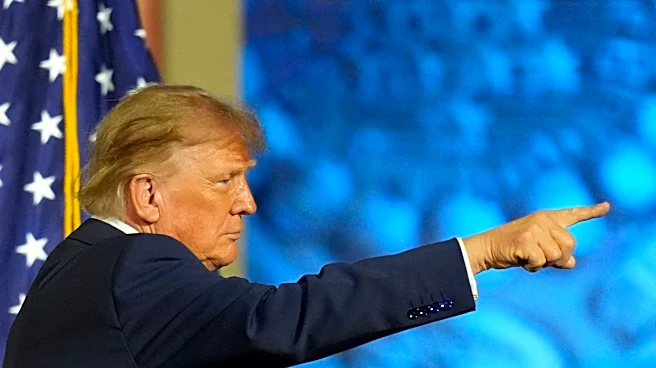
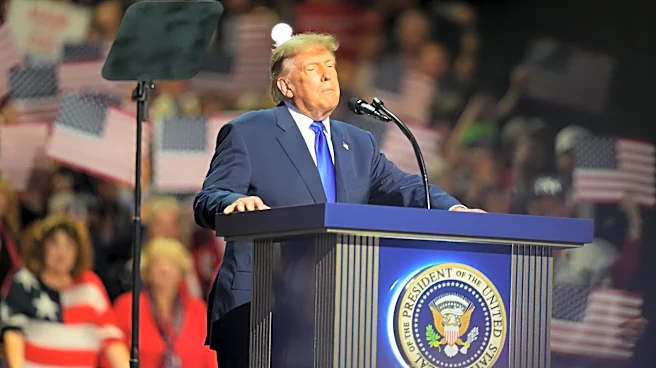
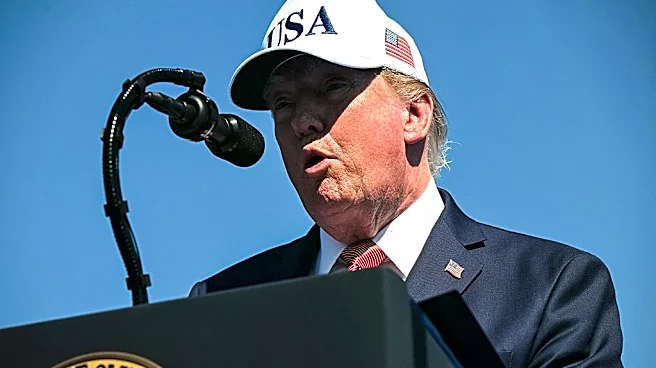
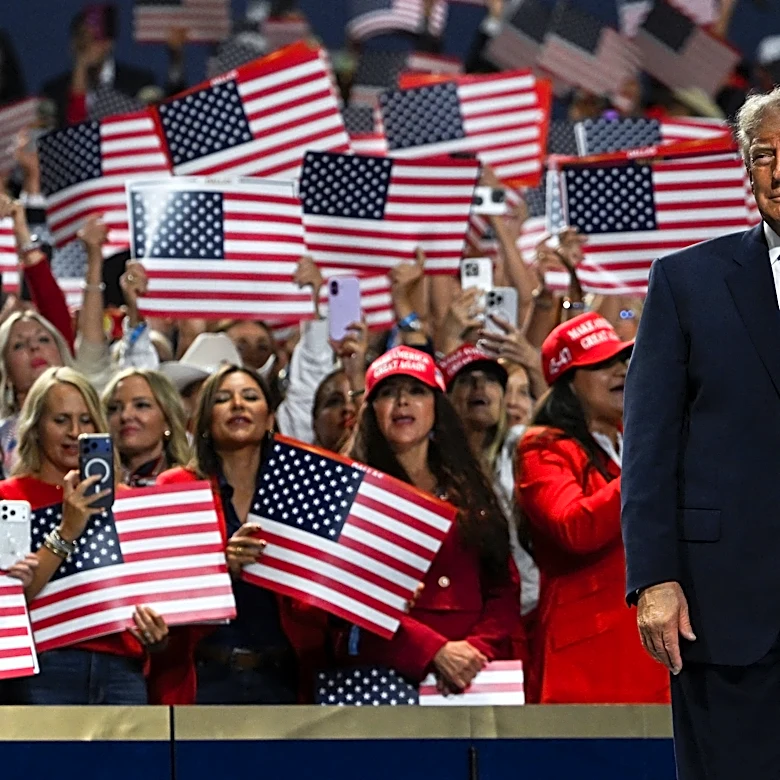
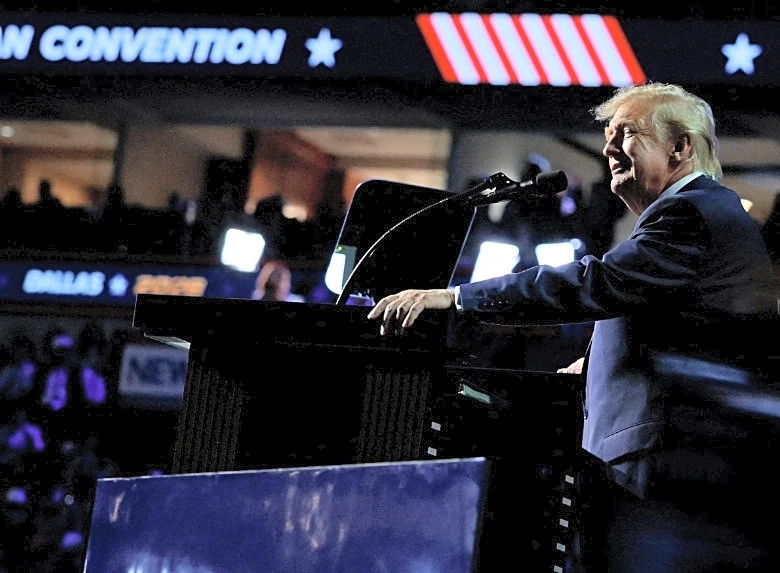
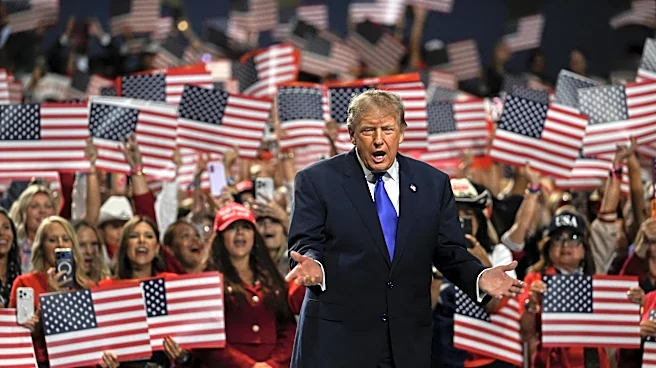
President Trump delivered a speech at the Republican National Committee's first-ever midterm convention in Dallas, focusing on issues such as transgender people, illegal immigration, and democratic socialism. During his address, President Trump made several
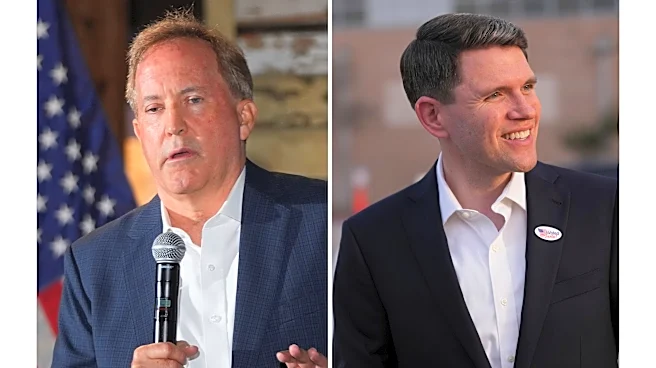
accusations against Democratic Senate candidates Abdul El-Sayed of Michigan and James Talarico of Texas. For El-Sayed, President Trump claimed he wants to expand the Supreme Court to 23 justices, that El-Sayed's sister celebrated the October 7th attacks, and that his mother worked for an organization that supported terrorism. President Trump also stated El-Sayed campaigns with a Marxist agitator who said America deserved 9/11. Regarding Talarico, President Trump asserted that Talarico believes God is transgender, aims to dismantle Texas's oil and gas industry, and falsely claimed Talarico vomited after eating meat. PolitiFact has examined these claims, finding that some are misleading or lack evidence. For instance, El-Sayed has called for term limits and equal appointments for justices, not specifically 23. His sister's posts on X used phrases like 'Morning Freedom' and 'October 7th blessing' but did not explicitly use the words President Trump described. El-Sayed's mother worked for an organization later designated for supporting terrorism, but no evidence links her to the alleged activities. Talarico stated in 2021 that 'God is non-binary' in a provocative context, and while he proposed a climate action bill, his campaign platform supports Texas's energy leadership. President Trump also made claims about affordability, stating food prices are rapidly decreasing and 401k values have significantly increased, which PolitiFact found to be mostly false or exaggerated.
Why It's Important?
President Trump's statements at the RNC Midterm Convention are significant as they set a tone for the upcoming midterm elections, highlighting key attack lines and narratives Republicans may employ against Democratic candidates. The focus on issues like judicial appointments, national security, and energy policy indicates areas of contention that will likely dominate political discourse. The fact-checking of these claims by PolitiFact underscores the ongoing debate around misinformation and the importance of verifying political rhetoric, especially in a highly polarized environment. Such accusations can influence voter perception, potentially swaying public opinion against targeted candidates, regardless of their factual basis. The convention's emphasis on specific Democratic figures like El-Sayed and Talarico suggests these races are considered crucial by the Republican party. Furthermore, President Trump's comments on economic issues like affordability and 401k growth aim to shape public perception of the current economic climate and his past administration's performance, which could impact voter confidence and economic policy debates.
What's Next?
The claims made by President Trump at the RNC Midterm Convention are likely to be amplified by Republican campaigns and media outlets, forming a significant part of the narrative leading up to the midterm elections. Democratic candidates Abdul El-Sayed and James Talarico will likely need to directly address and counter these accusations, providing their own clarifications and evidence to voters. This could lead to increased scrutiny of their past statements and policy positions. The broader political landscape will likely see continued debates on the factual accuracy of political claims, with fact-checking organizations playing a crucial role in informing the public. The focus on issues like judicial reform, climate policy, and economic performance will intensify, influencing campaign strategies and voter engagement. Expect further political rallies, debates, and media appearances where these themes are reiterated and challenged, shaping the national conversation as the midterms approach.
Beyond the Headlines
The event highlights a deeper trend in contemporary U.S. politics: the increasing prevalence of highly charged rhetoric and the weaponization of information, or misinformation, in political campaigns. The detailed fact-checking by PolitiFact reveals the complexities of political discourse, where statements can be taken out of context, exaggerated, or entirely fabricated to achieve political ends. This dynamic challenges the public's ability to discern truth from fiction, potentially eroding trust in political institutions and the media. The focus on personal attacks and controversial interpretations of candidates' past actions or beliefs, rather than substantive policy debates, could further polarize the electorate. Ethically, the use of unverified or misleading claims raises questions about the integrity of political campaigning and its impact on democratic processes. Culturally, it reflects a society grappling with how information is consumed and validated, especially in an era of rapid digital dissemination. This trend could lead to long-term shifts in how political campaigns are conducted, emphasizing narrative control over factual accuracy.