

What's Happening?
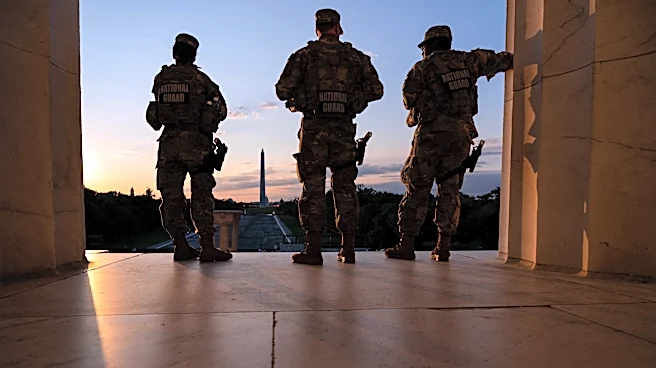
Attorney General Todd Blanche engaged in a contentious discussion with NBC's Kristen Welker on 'Meet the Press' regarding President Trump's controversial pardons for individuals involved in the January 6 Capitol riot, including those who assaulted police
officers. Blanche vehemently asserted that there was "nothing inconsistent" between his public vow to protect law enforcement and President Trump's decision to issue these pardons on his first day in office. Welker confronted Blanche with a video clip of him pledging to prosecute anyone who inappropriately touches a federal law enforcement officer. Blanche maintained that a president's pardon powers are not limited and operate independently of the Department of Justice's commitment to prosecute those who assault law enforcement. He also referenced President Biden's pardons of "hundreds and hundreds of criminals," many of whom were violent, to illustrate the broad exercise of presidential pardon power. Additionally, Blanche reiterated that President Trump's proposed $1.8 billion "Anti-Weaponization Fund" is definitively "dead" and will not be established.
Why It's Important?
This exchange highlights a significant ethical and political dilemma for Attorney General Todd Blanche and the current administration. The perceived inconsistency between a sworn pledge to protect law enforcement and the pardoning of individuals who committed violence against officers on January 6 raises serious questions about the administration's commitment to justice and the rule of law. This situation could potentially erode public trust in the Department of Justice and its impartiality, particularly among law enforcement agencies who were directly impacted by the Capitol attack. The debate also underscores the broad and largely unchecked power of presidential pardons, and how they can be utilized to reward political allies, potentially undermining judicial outcomes and accountability for violent acts against government institutions and personnel. This tension affects the credibility of the justice system.
What's Next?
Attorney General Blanche's defense of President Trump's Jan. 6 pardons and his broader stance on these issues are likely to remain a focal point of scrutiny and debate. Law enforcement organizations, civil society groups, and political commentators may continue to voice concerns about the message this sends regarding accountability for violence against officers. While Blanche has declared the "Anti-Weaponization Fund" to be defunct, the issue could resurface as a political talking point, especially if President Trump continues to advocate for compensation for his allies. The broader implications for the Department of Justice's independence and its relationship with the executive branch will continue to be observed, particularly as the administration navigates future legal and political challenges and seeks to maintain public confidence in the justice system.
Beyond the Headlines
The controversy surrounding Attorney General Blanche's defense of President Trump's Jan. 6 pardons delves into fundamental principles of justice, accountability, and the separation of powers within the U.S. government. It raises profound questions about whether the executive branch's pardon power can be exercised in a manner that appears to condone violence against government institutions and personnel, potentially undermining the very fabric of democratic governance. While legally true that presidential pardons are distinct from the Department of Justice's prosecutorial duties, the moral and ethical challenge arises when those pardons directly contradict the stated mission of protecting law enforcement. This situation could contribute to a long-term erosion of norms regarding presidential conduct, the integrity of the justice system, and the public's perception of equal justice under the law.