



What's Happening?
Governments at federal, state, and local levels are increasingly exploring modular construction as a key strategy to combat the persistent affordable housing shortage across the United States. This approach involves factory-built housing units that can
significantly reduce construction timelines, improve production efficiency, and offer a wider range of housing options. The federal government supports affordable housing through funding for new developments, assistance programs, and financing initiatives, but recognizes the need to increase the overall supply of homes. State and local governments are updating zoning rules, encouraging accessory dwelling units (ADUs), and streamlining permit approvals to facilitate faster and more efficient housing construction, with modular housing fitting into these efforts.
Why It's Important?
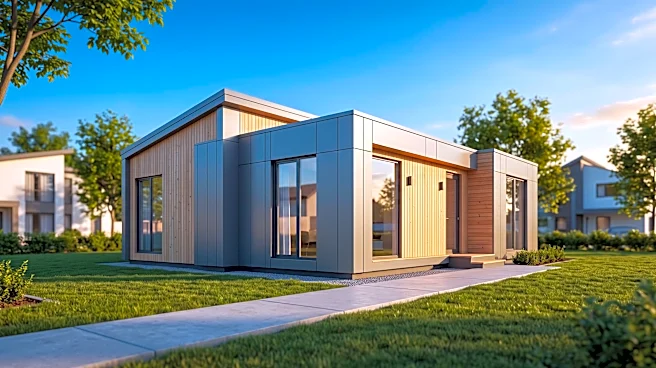
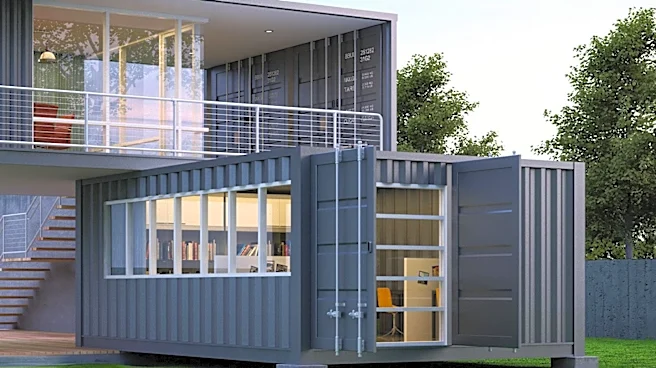
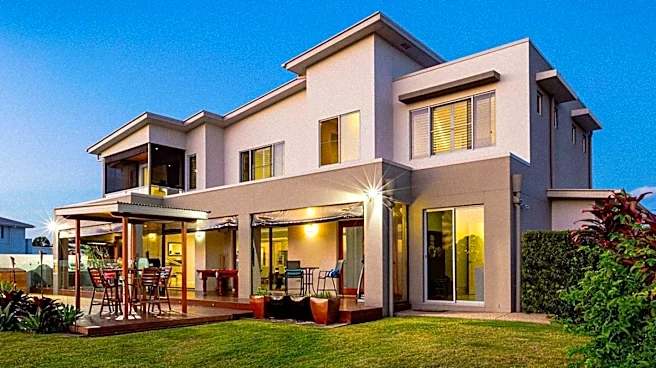
The adoption of modular construction represents a significant shift in how the U.S. is approaching its housing crisis. Traditional construction methods often face challenges such as labor shortages, weather delays, and high material costs, which contribute to slow development and increased housing prices. Modular construction offers potential solutions by moving much of the building process into controlled factory environments, leading to faster completion times, more predictable schedules, better quality control, and reduced waste. This efficiency can translate into lower costs, making housing more affordable and accessible. By embracing modular housing, governments aim to accelerate the delivery of much-needed homes, including compact backyard studios, ADUs, and larger family homes, thereby addressing the critical demand for affordable housing more effectively.
What's Next?
The trend towards modular construction is expected to gain further momentum as governments continue to seek innovative solutions for the housing crisis. Future developments will likely include increased investment in modular housing technologies, further streamlining of regulatory processes to accommodate factory-built homes, and the integration of modular units into broader urban planning strategies. Collaboration between government agencies, private developers, and modular construction companies will be crucial to scale up production and ensure that these homes meet diverse community needs. Additionally, there may be a focus on educating the public and overcoming any misconceptions about the quality and durability of modular housing, as its widespread acceptance will be key to its success in alleviating the national housing shortage.
Beyond the Headlines
The embrace of modular construction for affordable housing has deeper implications for the future of urban development and sustainability. It challenges traditional notions of homebuilding, potentially leading to a more industrialized and standardized approach to housing production. This could foster innovation in materials science and construction techniques, promoting the use of recycled materials and energy-efficient designs. However, it also raises questions about the aesthetic integration of modular homes into existing neighborhoods and the potential impact on local construction jobs. The long-term success of modular housing will depend not only on its efficiency and cost-effectiveness but also on its ability to create livable, desirable communities that reflect local character and meet the diverse needs of residents, while also addressing environmental concerns through sustainable practices.