
What's Happening?
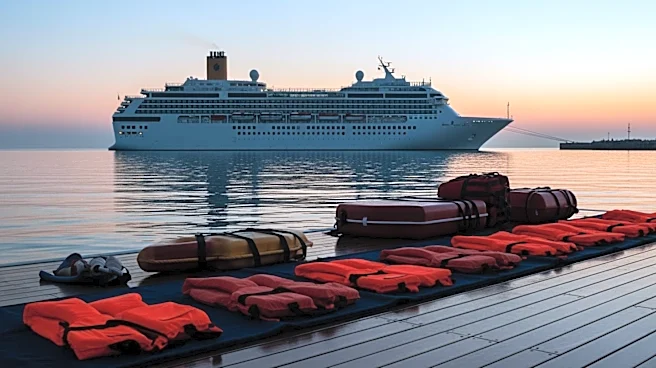
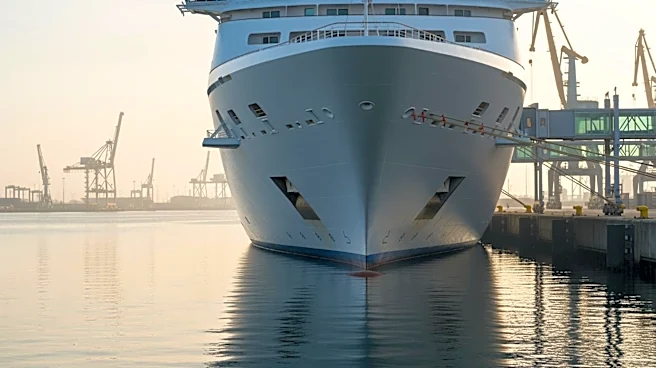
The MV Hondius, a cruise ship at the center of a hantavirus outbreak, has arrived in Tenerife, Canary Islands, to evacuate passengers. The ship carries 146 people, with three confirmed deaths and eight
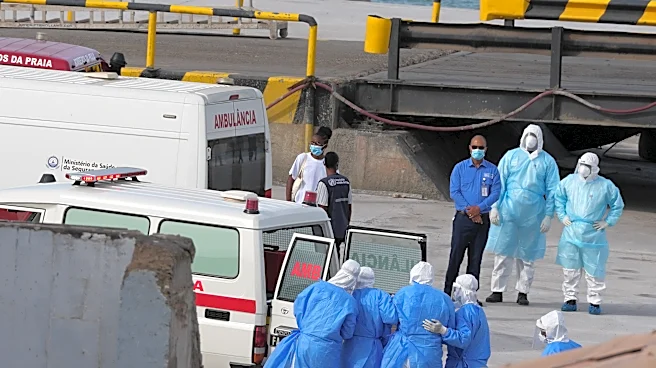
illnesses linked to the virus. Passengers and crew have been confined to their cabins to prevent further spread. Spanish passengers were the first to be evacuated, wearing protective gear and taken to Tenerife airport for flights home. The evacuation involves multiple flights to various countries, including the UK, Canada, and the US. The virus, transmitted through close contact, has prompted international health measures to prevent a wider outbreak.
Why It's Important?
The evacuation of passengers from the MV Hondius is a critical step in containing the hantavirus outbreak and preventing further international spread. The coordinated response by multiple countries highlights the importance of global collaboration in managing infectious disease outbreaks. The situation also underscores the challenges of containing a virus on a cruise ship, where close quarters can facilitate transmission. The outbreak has raised concerns about the potential for similar incidents in the future, emphasizing the need for stringent health protocols in the travel industry.
What's Next?
Authorities are continuing to monitor passengers for symptoms and are coordinating with international health organizations to ensure safe repatriation. The WHO is leading efforts to trace contacts and prevent further spread. Passengers are being asked to isolate for 42 days from potential exposure. The situation remains fluid, with ongoing assessments of health risks and logistical challenges in evacuating and monitoring affected individuals. The response will likely inform future protocols for handling infectious disease outbreaks on cruise ships and other travel settings.