







What's Happening?
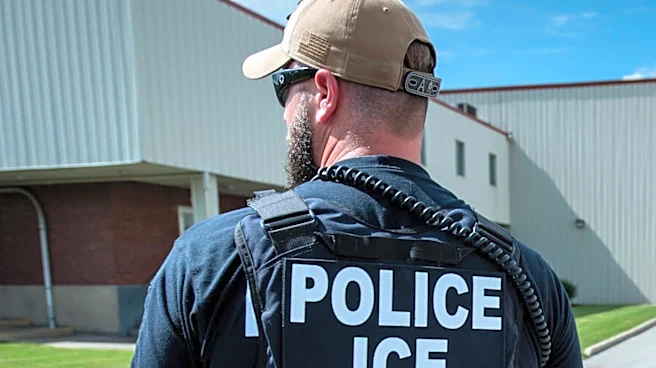
Waterbury police recently conducted inspections at local smoke shops, resulting in the reported closure of two businesses. These inspections were a significant public safety development in the city, drawing attention to the enforcement and oversight of local businesses. In
a related incident, the Connecticut Department of Labor issued a stop-work order at another Waterbury smoke shop, adding a regulatory dimension to the week's events concerning local enterprises. These actions underscore a concentrated effort by authorities to ensure compliance and address operational standards within the city's commercial landscape. The focus on public safety and accountability has been a leading concern for residents, with these developments reflecting ongoing efforts to maintain order and adherence to regulations.
Why It's Important?
These inspections and regulatory actions are important as they highlight the city's commitment to public safety and the enforcement of business regulations. For local businesses, these events signal increased scrutiny and the potential for operational disruptions if compliance is not met. The involvement of both local police and the Connecticut Department of Labor indicates a multi-faceted approach to oversight, which can impact the business environment in Waterbury. Residents stand to gain from enhanced public safety and a more regulated commercial sector, potentially leading to a safer and more orderly community. Conversely, businesses that fail to meet standards face financial penalties, closures, and reputational damage, emphasizing the need for strict adherence to all applicable laws and regulations.
What's Next?
The ongoing investigations and regulatory actions suggest that further inspections or enforcement measures could be implemented in Waterbury's business sector. Businesses operating in the city, particularly smoke shops and similar establishments, may face continued scrutiny from local police and state agencies. This could lead to a broader review of business licenses and operational permits to ensure full compliance. For the community, these efforts are likely to continue fostering a sense of improved public safety and accountability. The Waterbury Times has indicated it will continue to cover these developments, suggesting that public discourse and awareness regarding business oversight will remain elevated.
Beyond the Headlines
Beyond the immediate closures and stop-work orders, these events could signify a broader shift towards more stringent regulatory enforcement in Waterbury. This might encourage a more responsible business culture, where compliance is prioritized to avoid penalties. The increased focus on public safety and accountability could also influence future city planning and economic development initiatives, potentially favoring businesses that demonstrate a strong commitment to community standards. Ethically, these actions raise questions about the balance between business autonomy and public welfare, prompting a re-evaluation of how local governance ensures both economic vitality and community well-being. The long-term impact could be a more transparent and accountable business environment in Waterbury.