






What's Happening?
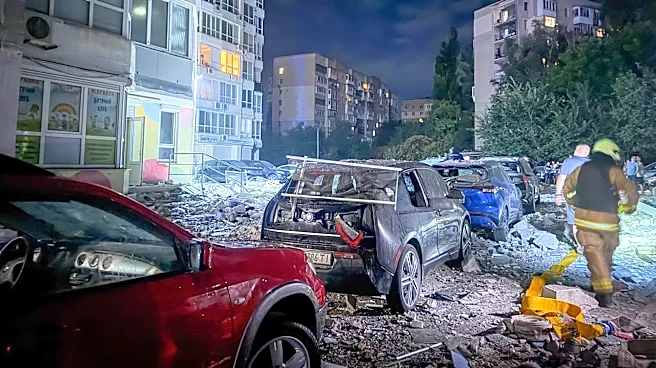
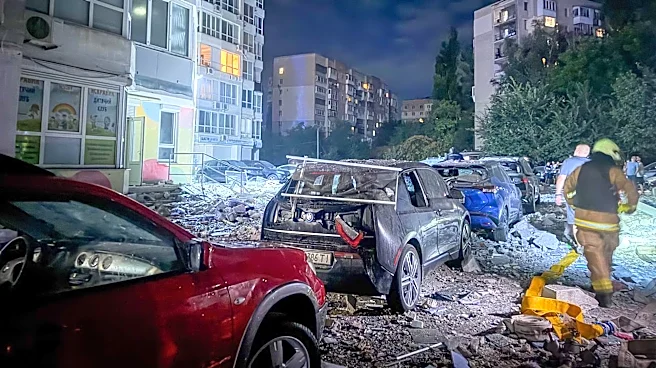
Russian forces have altered their drone and missile attack strategy on Kyiv, moving from predominantly nighttime assaults to include daytime operations. This shift, observed since last week, utilizes fast-flying, jet-powered drones, shattering the previous
expectation that daylight brought a reprieve from attacks. The change has led to constant disruption, interrupting daily activities such as commutes, shopping, and school, and intruding on significant life events like weddings and funerals. The relentless air-raid sirens and the need to seek shelter are causing widespread exhaustion among Kyiv residents, with some contemplating leaving the city. The new tactics compound the terror of overnight strikes with the added burden of continuous daytime alerts, making it difficult for residents to maintain a sense of normalcy.
Why It's Important?
This escalation in Russian tactics against Kyiv signifies a critical development in the ongoing conflict, moving beyond strategic military targets to inflict broader psychological and logistical pressure on the civilian population. The shift to continuous, day-and-night attacks aims to exhaust residents and disrupt the city's functionality, potentially impacting Ukraine's ability to sustain its defense efforts and maintain civilian morale. For the U.S. and its allies, this change underscores the persistent and evolving nature of the threat posed by Russia, potentially influencing decisions regarding military aid, air defense systems, and humanitarian support for Ukraine. The increased strain on Kyiv's infrastructure and population could also lead to a new wave of internal displacement or refugees, presenting additional challenges for international aid organizations and neighboring countries. The use of advanced drones in these continuous attacks highlights the need for sophisticated counter-drone technologies, a sector where U.S. defense industries could play a significant role.
What's Next?
Ukrainian authorities and residents will likely continue to adapt to the new reality of continuous attacks, potentially implementing stricter shelter protocols and adjusting daily routines further. The international community, particularly the U.S. and NATO allies, may face renewed calls for enhanced air defense systems and intelligence sharing to help Ukraine counter these evolving threats. There could be an increased focus on developing and deploying technologies specifically designed to neutralize fast-flying, jet-powered drones. Humanitarian organizations will likely need to scale up their support to address the growing exhaustion and psychological toll on Kyiv's population. The long-term impact on the city's demographics and economic activity remains to be seen, as more residents might consider temporary or permanent relocation if the attacks persist. The effectiveness of Ukraine's current air defense capabilities against these new tactics will be closely monitored, potentially leading to adjustments in military strategies on both sides.
Beyond the Headlines
The shift to continuous, day-and-night attacks on Kyiv carries profound psychological and societal implications beyond immediate physical damage. The constant threat of sirens and explosions erodes the sense of safety and normalcy, leading to chronic stress, anxiety, and a pervasive feeling of vulnerability among the civilian population. This sustained psychological warfare can have long-term effects on mental health, community cohesion, and the social fabric of the city. Ethically, these tactics raise questions about the targeting of civilian life and the deliberate infliction of psychological distress as a war strategy. Culturally, the interruption of daily rituals, from family gatherings to religious ceremonies, can undermine the resilience and identity of a community. The experience of living under perpetual threat may foster a generation with deep-seated trauma, impacting future societal development and stability. This situation also highlights the evolving nature of modern warfare, where psychological impact and disruption of civilian life become as significant as direct military engagements.