




What's Happening?
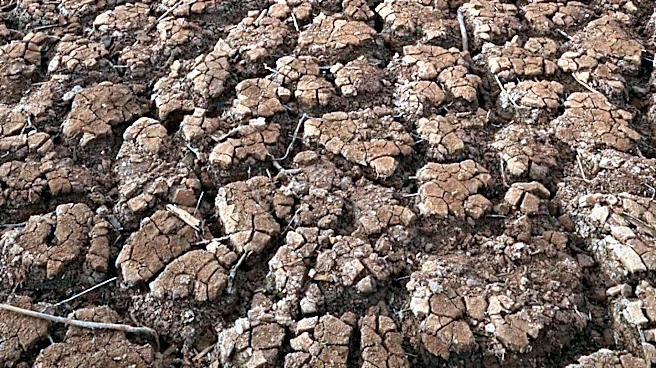
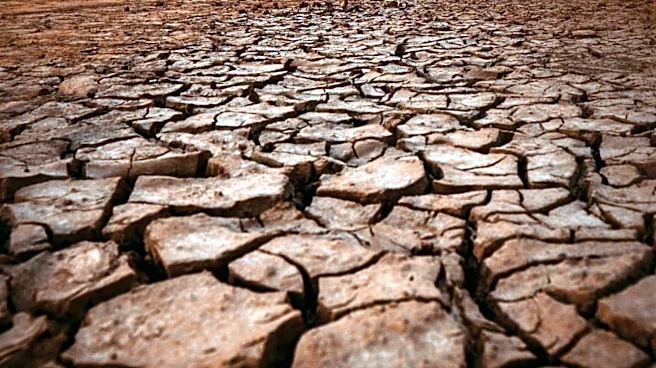
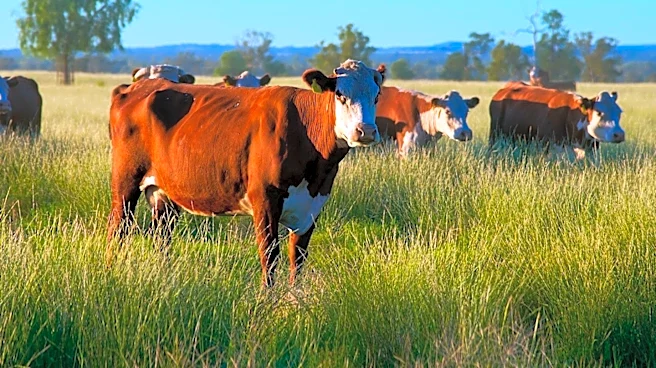
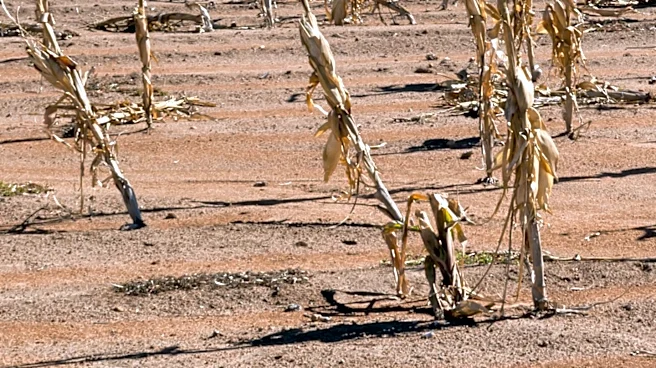
Colorado is experiencing its hottest and driest year on record, with 97% of the state in drought and 80% facing severe conditions. This has led ranchers like Doug Bruchez to make difficult decisions, such as selling cattle due to a lack of water and feed.
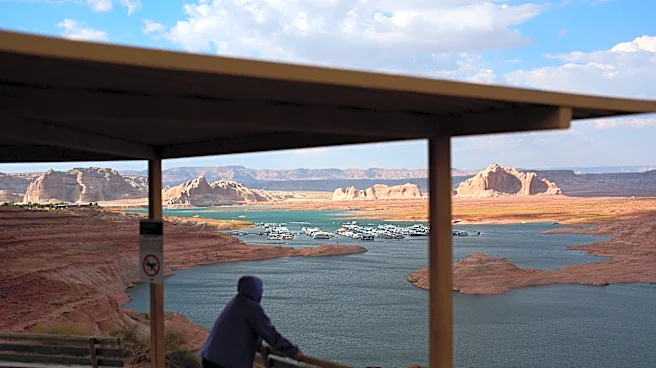
Reservoirs, which serve as a backup during droughts, are at historic lows, and the price of hay has doubled. Some ranchers are shipping cattle to other states, while others are selling breeding cows, which could have long-term impacts on the beef industry. The federal government is offering financial assistance, but ranchers argue it's insufficient.
Why It's Important?
The drought in Colorado highlights the vulnerability of the agricultural sector to climate change, with significant economic implications. Beef is Colorado's largest agricultural export, and the reduction in herd sizes could affect supply and prices nationwide. The situation underscores the need for sustainable water management and climate adaptation strategies. The economic strain on ranchers could lead to increased calls for government intervention and support, as well as a reevaluation of water usage policies across the state.
What's Next?
As the drought persists, ranchers will continue to face tough choices about herd management and resource allocation. State and federal governments may need to implement more robust support measures, such as low-interest loans or water conservation programs. The situation could also prompt legislative action to enforce water restrictions and promote conservation efforts statewide. Long-term, the agricultural sector may need to adapt by exploring drought-resistant crops and more efficient water use practices.