








What's Happening?
Buenos Aires, the capital of Argentina, is recognized as a major cruise port and a city celebrated for its European-style elegance, vibrant culture, and extensive history. The city serves as a significant cultural melting pot, featuring historic neighborhoods
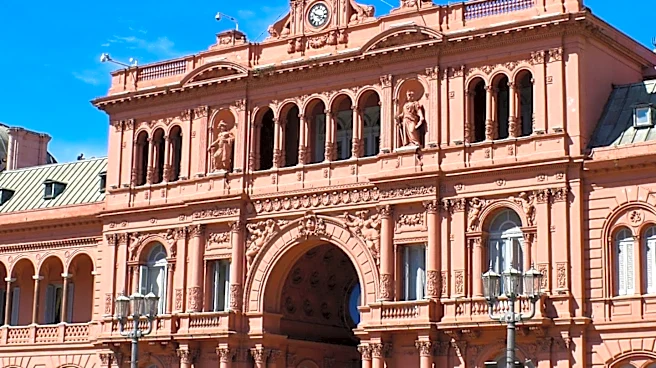
such as San Telmo, and prominent cultural landmarks including Teatro Colón and the Metropolitan Cathedral. Buenos Aires is also renowned for its distinctive café culture and its deep connection to tango music, which originated in the city. As a cruise port, it acts as a primary turnaround point for voyages destined for various South American regions, including Brazil, Uruguay, Chile, Antarctica, and the Falkland Islands. The city's diverse offerings range from its architectural beauty, often compared to European capitals, to its culinary scene, which includes traditional parrillas serving succulent steaks.
Why It's Important?
The significance of Buenos Aires extends beyond its cultural appeal, positioning it as a crucial economic and tourism hub in South America. Its role as a major cruise port directly impacts the tourism industry, drawing international visitors and contributing to local economies through hospitality, retail, and related services. The city's rich cultural heritage, including tango and European-influenced architecture, enhances its global appeal, attracting tourists interested in arts, history, and unique urban experiences. This influx of tourism supports local businesses and preserves cultural traditions. Furthermore, its strategic location as a gateway to other South American destinations, including Antarctica, makes it a vital logistical point for regional travel and exploration, fostering international connections and economic activity within the continent.
What's Next?
As Buenos Aires continues to solidify its position as a premier tourist destination and cruise hub, future developments may focus on enhancing its infrastructure to accommodate growing visitor numbers. This could include upgrades to port facilities, expansion of hotel capacities, and further promotion of its cultural attractions to a global audience. There may also be increased efforts to integrate sustainable tourism practices to preserve the city's historical sites and natural beauty. Continued investment in cultural events, such as tango festivals and art exhibitions, will likely further cement its reputation as a vibrant cultural center. Additionally, collaborations with international cruise lines could lead to new itineraries and increased maritime traffic, further boosting its economic impact as a gateway to South America.
Beyond the Headlines
Beyond its immediate economic and tourism impacts, Buenos Aires embodies a unique blend of European influence and Latin American spirit, offering a rich tapestry of social and cultural dynamics. The city's architectural grandeur reflects its historical ties to European immigration, while its passionate tango culture speaks to a distinct Argentine identity. This fusion creates a dynamic urban environment that continually evolves, influencing art, music, and lifestyle across the region. The preservation of its historic neighborhoods and cultural institutions is not just about tourism; it's about maintaining a living museum that tells the story of migration, cultural adaptation, and artistic expression. The city's role as a cruise gateway also highlights broader themes of global connectivity and the increasing accessibility of remote destinations like Antarctica, raising questions about environmental stewardship and the impact of tourism on fragile ecosystems.