


What's Happening?
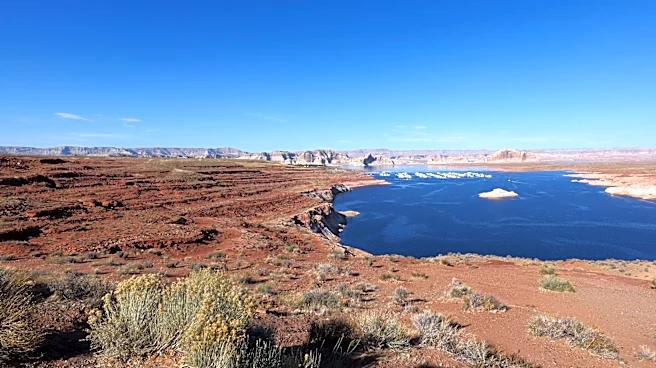
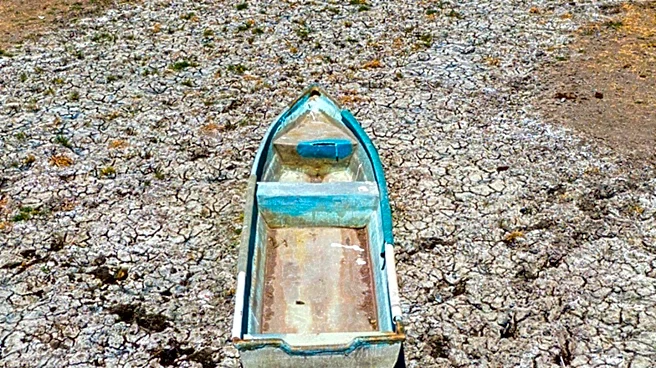
As water levels in Colorado's major reservoirs, including Blue Mesa, Navajo, Dillon, Pueblo, and Horsetooth, continue to recede, remnants of towns and historical sites that were submerged during their construction are re-emerging. These reservoirs, built
primarily in the 20th century for hydropower, flood control, and water storage, necessitated the displacement of communities. For instance, Blue Mesa Reservoir's receding waters have revealed foundations of the town of Iola, while Navajo Reservoir's lower levels make visible the spire of a flooded church in Rosa. Dillon Reservoir's construction led to the relocation of the entire town of Dillon, and Pueblo Reservoir now exposes parts of the former town of Swallows. Horsetooth Reservoir's low water levels occasionally reveal the remains of Stout. These re-emerging sites offer a tangible connection to the past, showcasing the significant human cost associated with large-scale water infrastructure projects in the American West.
Why It's Important?
The re-emergence of these lost towns underscores the complex and often contentious history of water management and development in the Western United States. While these reservoirs provide essential water supply, hydropower, and recreational opportunities for millions, their creation involved the displacement of established communities, the relocation of graves, and the destruction of historical landscapes. This situation highlights the long-standing tension between resource development and the preservation of cultural heritage. The visible remnants serve as a powerful reminder of the trade-offs made for progress and the environmental and social impacts of such projects. It also brings to light the ongoing challenges of water scarcity in the region, as record-low snowpack and a warming climate contribute to the declining reservoir levels, making these historical sites visible once more.
What's Next?
With continued drought conditions and climate change projections, it is likely that these historical sites will remain visible, and potentially more will be uncovered, in the coming years. Local historians and communities may continue to document and interpret these re-emerging ruins, offering educational opportunities about the region's past and the history of water development. Visitors to these national recreation areas are advised to observe these sites respectfully and are reminded that removing any items is illegal. The ongoing debate about water allocation and conservation in Colorado and the broader Western U.S. will likely intensify, as the visible impacts of water scarcity become more pronounced, potentially influencing future policy decisions regarding water usage and infrastructure.
Beyond the Headlines
The phenomenon of re-emerging towns from shrinking reservoirs carries deeper implications beyond historical curiosity. It prompts a re-evaluation of the long-term consequences of large-scale engineering projects and the ethical considerations involved in displacing communities for public works. The stories of those who lost their homes and livelihoods, often with inadequate compensation, resonate with contemporary discussions about environmental justice and the rights of affected populations. Furthermore, the visibility of these ruins serves as a stark visual metaphor for the broader environmental challenges facing the American West, particularly concerning water resources. It encourages a critical examination of past decisions and informs future approaches to resource management, emphasizing the need for sustainable practices that balance human needs with ecological and cultural preservation.