
What's Happening?
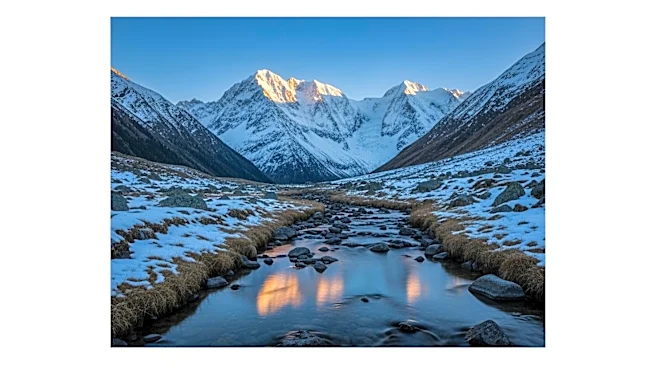
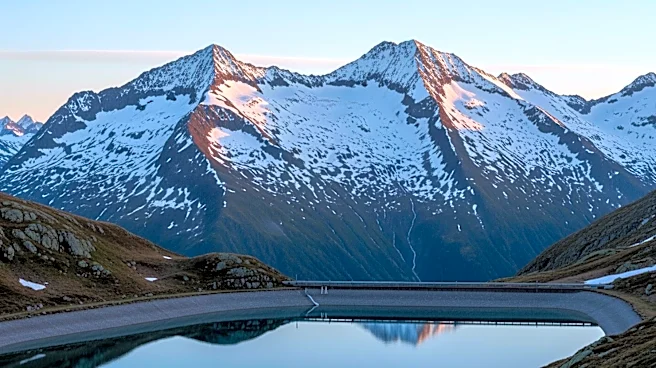
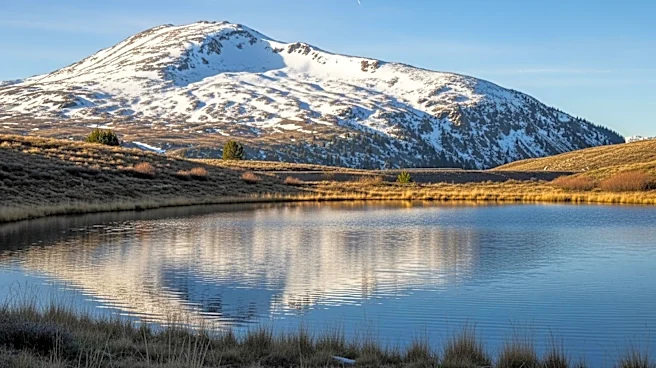
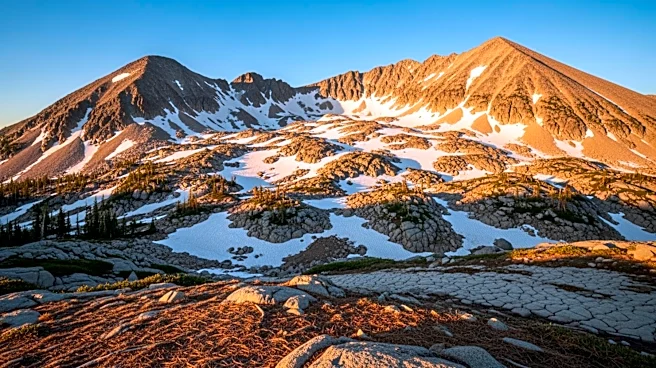
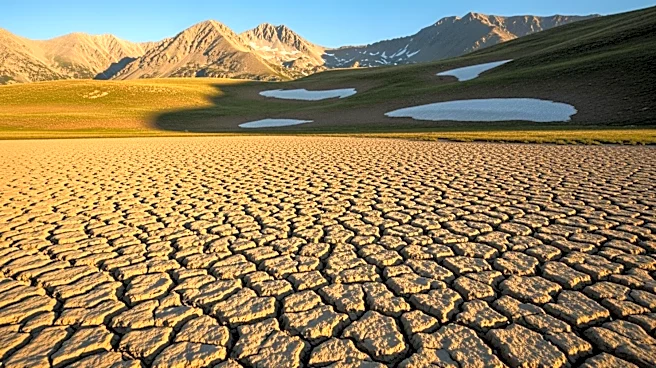
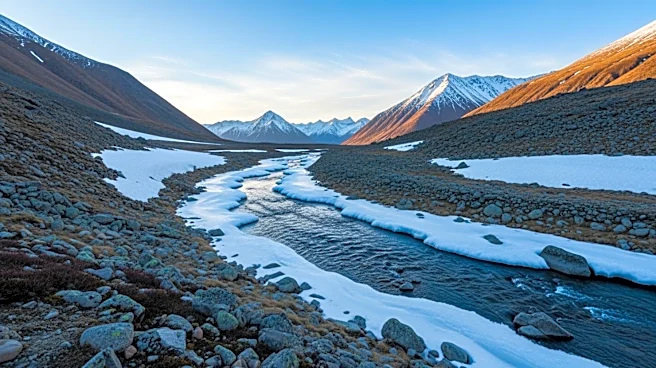
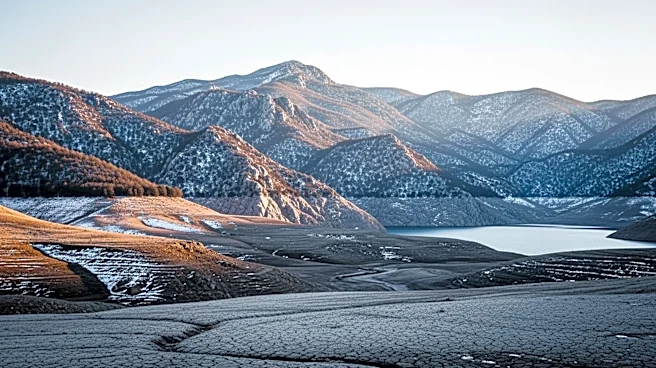
California is experiencing one of its lowest snowpacks on record, with measurements showing levels at just 18 percent of average as of April 1. This is the second-lowest recorded, following 2015's 5 percent.
The snowpack, crucial for the state's water supply, typically peaks in early April, but this year it peaked unusually early, around February 24. The lack of snow is attributed to warm conditions and rain instead of snow during storms. This situation raises concerns about water availability, wildfire risk, and environmental impacts as the state heads into summer.
Why It's Important?
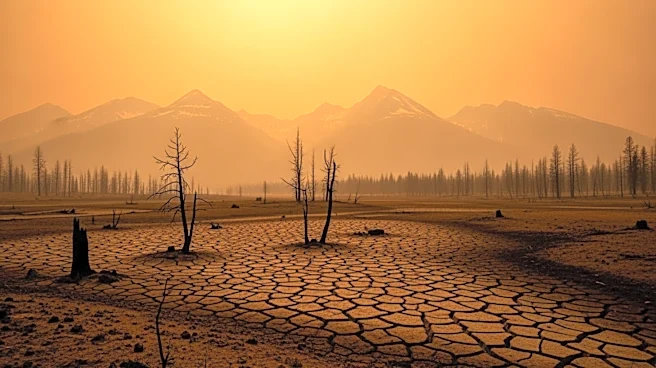
The snowpack is vital for California's water system, providing about 30 percent of the state's water needs. Its decline threatens water availability during the dry months, potentially leading to shortages. The early snowmelt also extends the dry season, increasing wildfire risks and affecting ecosystems dependent on consistent river flows. This situation underscores the need for adaptive water management strategies to cope with changing climate patterns. The state's ability to capture and efficiently manage water resources will be critical in mitigating the impacts of such volatile conditions.
What's Next?
The implications of the low snowpack extend beyond immediate water supply concerns. As the dry season lengthens, the risk of wildfires increases, posing threats to communities and wildlife. The state may need to implement water conservation measures and explore infrastructure improvements to better capture and store water. Policymakers and environmental agencies will likely focus on developing strategies to address these challenges, emphasizing the importance of sustainable water management practices in the face of climate variability.