





What's Happening?
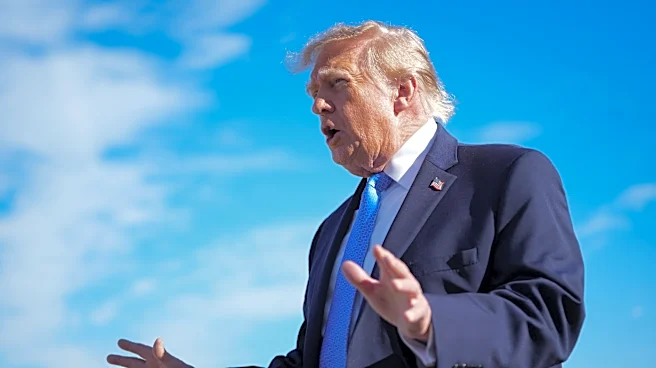
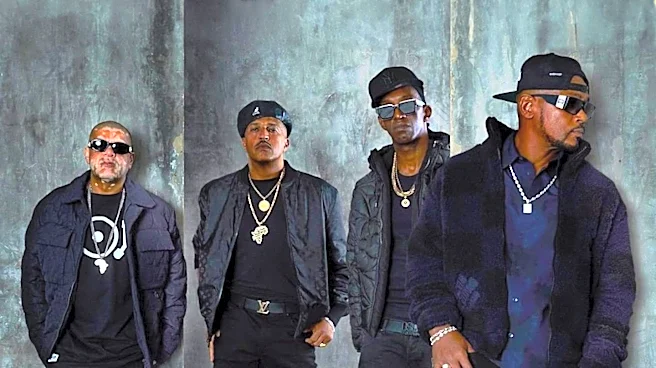
A social media post circulating online claims that rapper Ice Cube praised President Trump, stating that he "fought harder for the heart and soul of America." This claim has garnered significant attention, leading to backlash against the rapper and prompting
a fact check. However, investigations reveal that there are no records of Ice Cube making such a statement. No publicly available statements, press reports, interviews, or social media posts from the rapper support this assertion. The quote attributed to Ice Cube, which suggests President Trump is a "tough man" who is "blunt, outspoken, and unapologetic," has been circulating on various social media platforms for years and has been falsely attributed to several other public figures, including Sophie Cunningham. The claim is rated as fake and fabricated, likely for engagement purposes. While Ice Cube did work with the Trump administration in 2020 on a plan for Black America, he explicitly stated at the time that he would never endorse President Trump.
Why It's Important?
The spread of false claims, such as the one attributing praise for President Trump to Ice Cube, highlights the pervasive issue of misinformation on social media platforms. Such fabricated statements can significantly impact public perception of individuals and political figures, leading to unwarranted criticism or support. For public figures like Ice Cube, these false attributions can damage their reputation and create unnecessary controversy, forcing them to address and debunk rumors. In a broader political context, the deliberate creation and dissemination of fake quotes can manipulate public opinion, sow discord, and undermine trust in legitimate news sources. This incident underscores the critical need for media literacy and fact-checking to discern accurate information from fabricated content, especially concerning political discourse and celebrity endorsements, which often carry considerable weight with the public.
What's Next?
The ongoing challenge of combating misinformation on social media platforms will likely continue. Social media companies may face increased pressure to implement more robust fact-checking mechanisms and algorithms to identify and flag false content. Individuals will need to remain vigilant and critically evaluate information shared online, particularly claims that seem sensational or politically charged. Public figures like Ice Cube may continue to encounter and need to address false narratives attributed to them, potentially leading to more frequent public clarifications or statements. The incident also serves as a reminder for news organizations to prioritize thorough fact-checking before reporting on viral social media claims, reinforcing their role in maintaining journalistic integrity and providing accurate information to the public.
Beyond the Headlines
This incident delves into the deeper implications of digital echo chambers and the ease with which fabricated narratives can gain traction and influence public discourse. The false attribution to Ice Cube, a prominent cultural figure, demonstrates how celebrity status can be exploited to lend credibility to political statements, regardless of their veracity. It also touches upon the ethical responsibility of social media users to verify information before sharing, and the potential for such platforms to be weaponized for political manipulation. The long-term shift could involve a growing skepticism towards unverified online content, pushing for greater transparency and accountability from both users and platform providers. This event highlights the ongoing struggle to maintain a fact-based public sphere in an era dominated by rapid information dissemination and the blurring lines between opinion, fact, and fabrication.