



What's Happening?
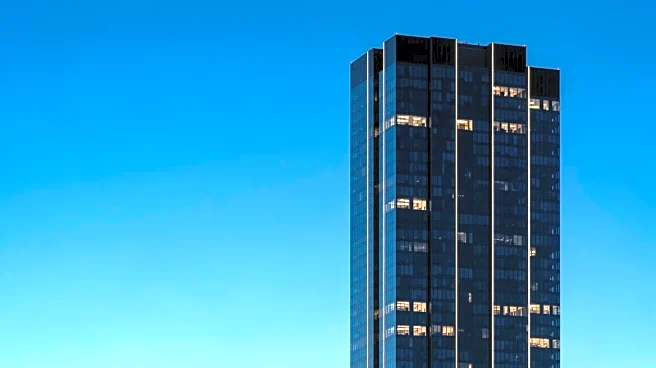
New York's Billionaires' Row, a stretch of luxury residential towers near Central Park, is under scrutiny as nearly half of its apartments remain unoccupied. These high-end properties, including the notable 432 Park Avenue, serve as financial 'vaults'
for the global elite, rather than homes. Developed by Israeli entrepreneurs Shaul Kuba and Avi Shemesh, 432 Park Avenue has faced lawsuits from residents over alleged defects. The area, known for its opulent skyline, is criticized for its dark, empty floors at night, symbolizing a 'ghost neighborhood.' Despite regulatory efforts to curb money laundering through real estate, these properties continue to attract wealthy buyers who use shell companies to maintain anonymity.
Why It's Important?
The phenomenon of vacant luxury apartments in Billionaires' Row highlights significant socio-economic issues in New York City. While these properties serve as wealth preservation tools for the global elite, they contribute little to the local economy or housing market. The situation underscores the disparity between the city's affluent and its broader population, many of whom face economic challenges. The presence of these 'ghost neighborhoods' raises questions about urban planning and the role of real estate in wealth inequality. Additionally, the ongoing legal battles and regulatory scrutiny reflect broader concerns about transparency and accountability in high-value real estate transactions.
What's Next?
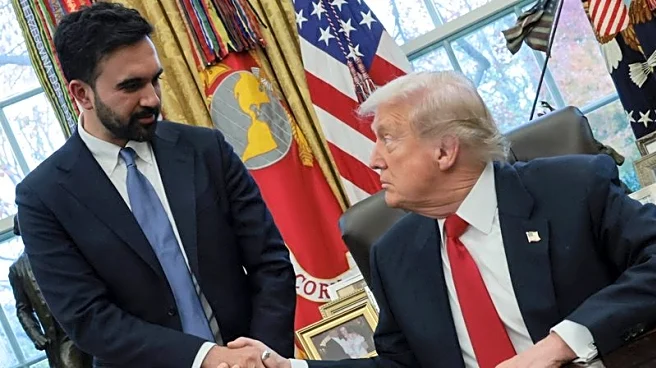
New York City's new mayor, Zohran Mamdani, has proposed a 2% income tax increase on individuals earning over $1 million annually, aiming to address the city's $5.4 billion budget deficit. This move is part of a broader strategy to hold the wealthy accountable and redistribute resources more equitably. The proposal may face resistance from affluent residents and real estate stakeholders, potentially leading to legal challenges or shifts in investment strategies. The outcome of this policy could influence future urban development and economic policies in New York and other major cities facing similar issues.
Beyond the Headlines
The situation in Billionaires' Row reflects a global trend where luxury real estate is used as a financial instrument rather than a living space. This practice raises ethical questions about the role of real estate in wealth preservation and its impact on local communities. The use of shell companies to conceal ownership further complicates efforts to ensure transparency and fair taxation. As cities grapple with housing shortages and economic disparities, the debate over the social responsibility of real estate developers and wealthy investors is likely to intensify.