
What's Happening?
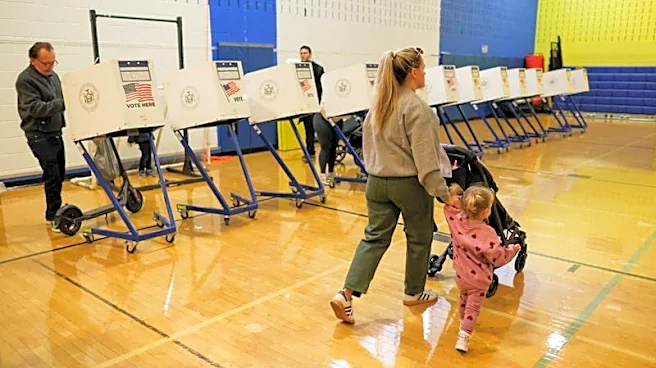
U.S. Representative Mary Miller of Illinois has called upon the Senate to pass the Safeguard American Voter Eligibility (SAVE America) Act. This legislation would mandate that states require documentary proof of U.S. citizenship for federal voter registration
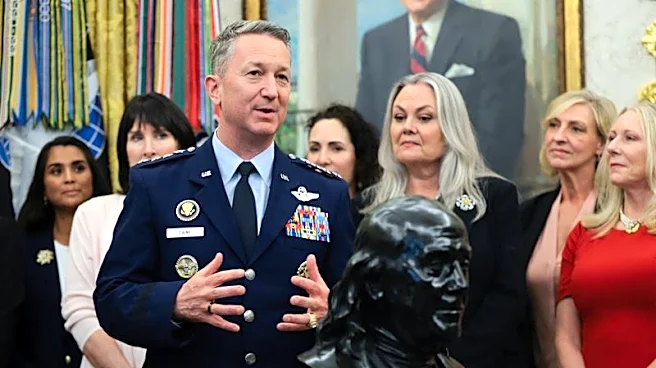
applications and eligible photo identification for voting in federal elections. While federal law already prohibits non-citizens from voting in federal elections, there is currently no nationwide federal voter ID requirement. The House of Representatives previously passed an earlier version of the SAVE Act in April 2025 and approved the expanded SAVE America Act by a vote of 218-213 in February 2026. A companion measure in the Senate is still under committee consideration, according to the Congressional Research Service. Representative Miller, who has served Illinois' 15th Congressional District since January 2021, emphasized that 'American elections belong to American citizens' and that 'foreign interference has no place in American elections.' The bill also includes provisions allowing private lawsuits against officials who fail to enforce its requirements.
Why It's Important?
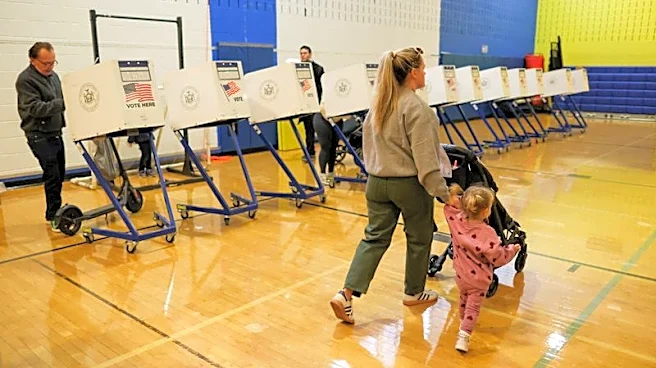
The push for the SAVE America Act highlights ongoing national debates surrounding election integrity and voter access. Proponents argue that requiring proof of citizenship and photo identification is essential to secure federal elections against potential foreign interference and to ensure that only eligible citizens cast ballots. This measure could significantly impact voter registration processes and voting procedures across all states, potentially leading to more uniform, albeit stricter, requirements. Critics of such legislation often raise concerns about voter disenfranchisement, particularly among minority groups, the elderly, and low-income individuals who may face challenges in obtaining the necessary documentation. The bill's provision for private lawsuits against non-compliant officials could also introduce a new layer of legal challenges and enforcement mechanisms, potentially shifting the dynamics of election administration and oversight. The outcome of this legislative effort will reflect the prevailing political will regarding the balance between election security and voter accessibility in the U.S.
What's Next?
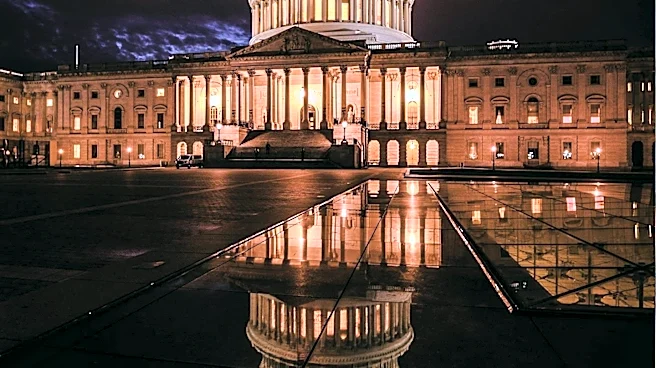
The immediate next step for the SAVE America Act is its continued consideration within the Senate committee. Should it advance, it would then face a full Senate vote. The legislative process could involve further amendments, debates, and potential compromises to gain broader support. If passed by the Senate, the bill would then proceed to the President for signature into law. However, given the divided political landscape and differing views on election reform, its passage is not guaranteed. Major stakeholders, including civil rights organizations, voter advocacy groups, and state election officials, are likely to closely monitor its progress and may react with lobbying efforts, public campaigns, or legal challenges depending on the bill's trajectory and final form. The implementation of such a law would necessitate significant changes in state election administration, potentially requiring new resources and procedures for voter registration and identification verification.
Beyond the Headlines
Beyond the immediate legislative implications, the debate over the SAVE America Act touches upon fundamental questions about democratic participation and the role of government in regulating elections. The emphasis on 'American elections belong to American citizens' reflects a broader sentiment among some segments of the population regarding national sovereignty and identity in the electoral process. Conversely, concerns about potential voter suppression underscore the tension between security measures and the constitutional right to vote. The bill's focus on non-citizen voting, despite existing federal prohibitions, suggests a deeper distrust in current electoral safeguards and a desire for more stringent controls. This legislative effort could also set a precedent for future federal involvement in state-level election administration, potentially leading to a more centralized approach to voting regulations. The long-term impact could include shifts in voter demographics, participation rates, and the overall public perception of election fairness and legitimacy.