

What's Happening?
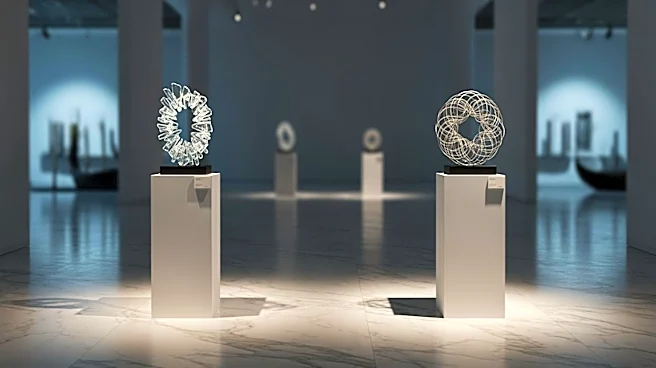
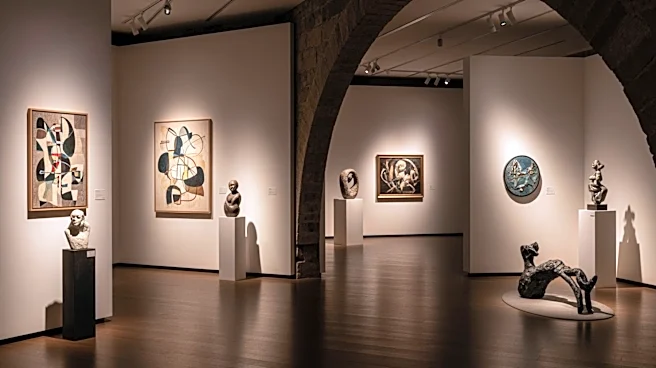
The Tel Aviv Museum of Art has innovatively adapted its operations in response to the ongoing conflict in Israel, which has led to the closure of museums and frequent sirens. Under the leadership of Tania Coen-Uzzielli, the museum has transformed its approach
to art exhibitions by utilizing safe rooms and shelters as new spaces for art experiences. This initiative emerged as a response to the need for continuity in cultural engagement despite the disruptions caused by the conflict. The museum's adaptation includes guided tours in protected spaces, allowing visitors to experience art in a unique setting that combines safety with cultural enrichment. This approach not only preserves the integrity of the exhibitions but also ensures that the public can continue to engage with art during challenging times.
Why It's Important?
The Tel Aviv Museum's adaptation highlights the resilience and creativity of cultural institutions in times of crisis. By reimagining how art can be accessed and experienced, the museum underscores the importance of cultural continuity and the role of art in providing solace and reflection during turbulent periods. This initiative also demonstrates the potential for museums to serve as community anchors, offering a sense of normalcy and connection even when traditional operations are disrupted. The museum's ability to maintain visitor engagement and achieve recognition as one of the most visited museums globally, despite the challenges, reflects the enduring value of cultural institutions in society.
What's Next?
As the situation in Israel evolves, the Tel Aviv Museum of Art may continue to explore innovative ways to engage with the public and adapt its operations to changing circumstances. The success of the current initiative could inspire other cultural institutions to adopt similar strategies, fostering a broader movement towards flexible and resilient cultural programming. Additionally, the museum's efforts may prompt discussions on the role of art and culture in conflict zones, potentially influencing policy and funding decisions related to cultural preservation and access.
Beyond the Headlines
The museum's initiative raises important questions about the intersection of art, safety, and accessibility. By bringing art into shelters, the museum challenges traditional notions of exhibition spaces and invites a reevaluation of how cultural experiences are delivered. This approach also highlights the potential for art to serve as a form of resistance and resilience, offering a means of expression and connection in the face of adversity. The museum's efforts may contribute to a broader dialogue on the role of cultural institutions in fostering community resilience and supporting mental well-being during crises.