








What's Happening?
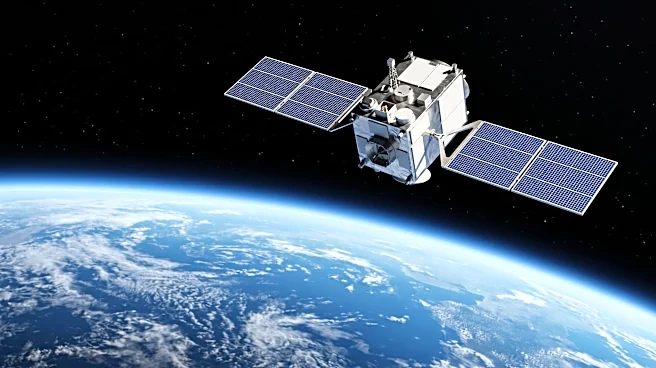
The U.S. Space Force has reopened its Interservice Transfer Program, seeking to recruit 'several hundred officer and enlisted' personnel from other branches of the U.S. armed forces. This marks the first time in three years that the Space Force has initiated
such a transfer process. The program allows members of the Army, Navy, Air Force, and Marine Corps to become Guardians. While all eligible ranks and career fields can apply, the Space Force is particularly interested in mid-grade officers and enlisted service members with space-related experience, especially those with backgrounds in intelligence, cyber, space operations, engineering, and acquisitions. Service members who do not require retraining in these fields will receive priority consideration. The application window began on September 15 and will close on October 2, with selected individuals facing a four-year active-duty service commitment.
Why It's Important?
This recruitment drive is critical for the Space Force as it aims to rapidly expand its ranks and meet what Chief Master Sergeant of the Space Force John Bentivegna described as a 'national security necessity.' The Space Force, currently with approximately 10,000 Guardians, has a stated goal of doubling its size. By targeting experienced personnel from other branches, the Space Force can quickly acquire specialized skills and leadership, reducing the time and cost associated with training new recruits from scratch. This initiative addresses the service's 'midgrade requirements' and supports its projected steep growth, ensuring it has the necessary human capital to manage and operate complex space systems vital for national defense. The success of this program will directly impact the Space Force's ability to counter evolving threats in the space domain and maintain U.S. leadership in space.
What's Next?
Following the application deadline on October 2, an interservice transfer board will convene in November to review applications. The Space Force plans to announce the selected individuals starting in January 2027. Those chosen will then begin their transition into the Space Force, undertaking a four-year active-duty service commitment. The success of this iteration of the program will likely influence future recruitment strategies and the frequency of such transfer opportunities. The Space Force will continue to assess its personnel needs and may open similar transfer windows in the future to sustain its growth trajectory and adapt to emerging operational requirements. The integration of these experienced service members will be crucial for the Space Force's ongoing development and operational effectiveness.
Beyond the Headlines
The Space Force's reliance on interservice transfers highlights the unique challenges of building a new military branch focused on a highly specialized domain. Unlike traditional branches, the Space Force cannot simply recruit large numbers of entry-level personnel and train them over many years. It requires individuals with existing technical expertise and military experience, particularly in areas like cyber warfare, intelligence analysis, and advanced engineering. This approach also reflects a broader trend in modern warfare, where technological sophistication often outweighs sheer numbers. The program's emphasis on 'mid-grade' personnel suggests a need for experienced leaders and technical experts who can immediately contribute to complex operations. This strategy could also foster greater inter-branch collaboration and understanding, as personnel bring diverse perspectives and experiences from across the military into the Space Force, potentially leading to more integrated and effective joint operations in the future.