






What's Happening?
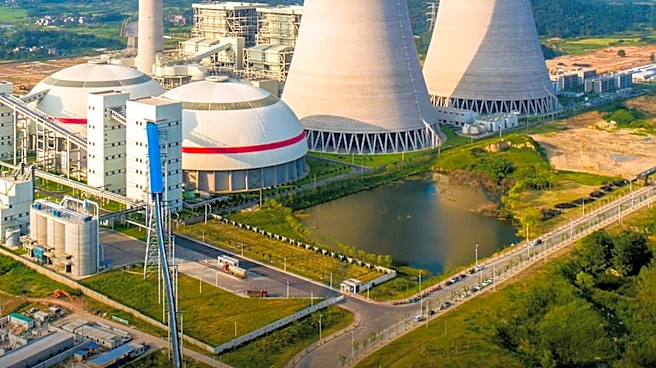
The U.S. Environmental Protection Agency (EPA) has announced that power plants supplying electricity exclusively to data centers, and not to the public grid, will not be subject to the federal Clean Air Act’s Acid Rain Program. This program has historically
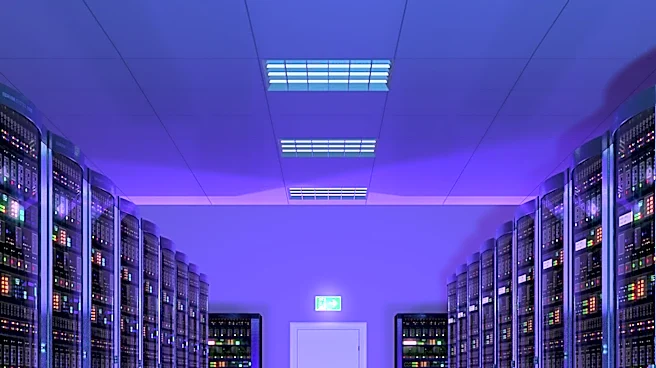
played a significant role in reducing smog and soot pollution from industrial facilities. According to a letter from EPA Assistant Administrator Aaron Szabo, the agency's interpretation of federal pollution laws aims to accelerate the development of artificial intelligence infrastructure while alleviating pressure on regional electric grids. The EPA clarified that the Acid Rain Program does not apply to 'islanded' power generation facilities, which operate independently from the broader grid. This decision is expected to provide developers with greater flexibility in the location and speed of constructing new data centers, which are experiencing a surge in electricity demand across the United States.
Why It's Important?
This development is significant as it supports President Trump's Ratepayer Protection Pledge, which mandates that companies involved in such projects must finance their energy needs without passing costs onto residential customers. By exempting these power plants from certain pollution laws, the EPA is facilitating the rapid expansion of data centers, crucial for supporting the growing demand for artificial intelligence and other data-intensive technologies. This move could potentially lead to increased investment in data center infrastructure, impacting the technology sector and related industries. However, it also raises concerns about environmental oversight and the potential for increased pollution if these facilities are not adequately regulated.
What's Next?
The EPA's decision may prompt reactions from environmental groups concerned about the potential environmental impact of exempting these power plants from pollution regulations. Developers and technology companies are likely to welcome the increased flexibility and reduced regulatory burden, potentially accelerating the construction of new data centers. State regulators and utilities will need to navigate the implications of this policy change, particularly in terms of energy procurement and infrastructure development. Ongoing monitoring and potential legal challenges could arise as stakeholders assess the environmental and economic impacts of this policy shift.