




What's Happening?
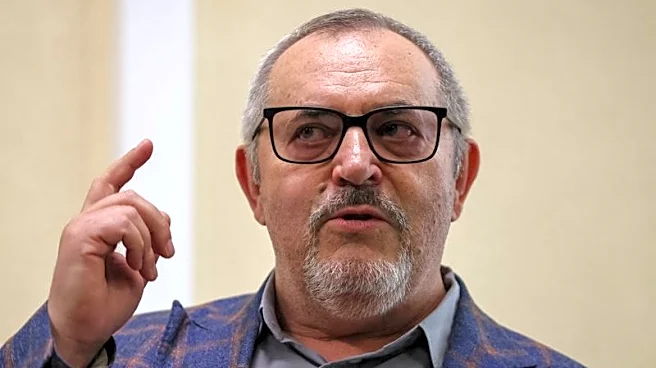
Russian scientists, led by Academician Gamaleya Alexander Ginsburg, are developing vaccines to treat bladder cancer, small cell lung cancer, and colorectal cancer. This follows the introduction of Neoonkovak, an RNA anti-tumor vaccine for cutaneous melanoma.
The Russian Ministry of Health aims to approve two vaccines for glioblastoma by 2026, including a peptide vaccine and an mRNA vaccine.
Why It's Important?
The development of these vaccines could significantly advance cancer treatment, offering new therapeutic options for difficult-to-treat cancers. However, the success of these vaccines depends on rigorous clinical trials and regulatory approval. If successful, these vaccines could enhance global cancer treatment protocols and provide hope for patients with limited options.