





What's Happening?
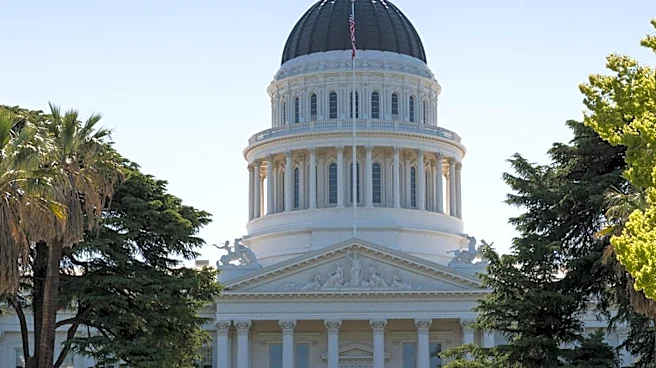
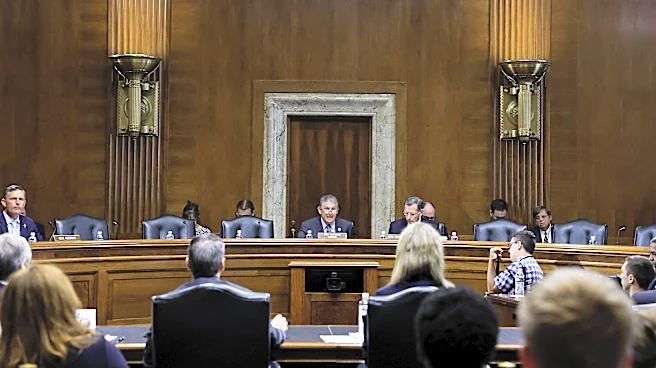
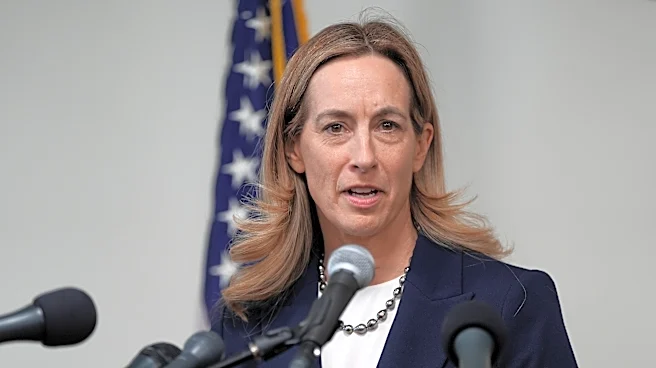
A proposal to prevent registered sex offenders from running for public office in California was rejected by the Senate Elections and Constitutional Amendments Committee. The bill, known as Assembly Bill 2753, was authored by Assemblywoman Esmeralda Soria
and had previously passed the Assembly with unanimous support. However, it failed to gain the necessary votes in the Senate committee, with a 2-1-2 vote. The bill aimed to prohibit individuals required to register as sex offenders from being candidates for state or local elective offices. Concerns were raised about the bill's potential impact on individuals involved in 'Romeo and Juliet' cases and historical LGBTQ+ convictions. Despite the bill's failure, it highlighted ongoing debates about the balance between public safety and civil rights.
Why It's Important?
The rejection of AB 2753 underscores the complexities involved in legislating restrictions on individuals with criminal records. While the bill aimed to enhance public safety by preventing sex offenders from holding public office, it also raised concerns about fairness and the potential for unintended consequences. The decision reflects broader societal debates about rehabilitation, punishment, and the rights of individuals who have served their sentences. The outcome may influence future legislative efforts in California and other states, as lawmakers grapple with similar issues. The bill's failure also highlights the challenges of achieving consensus on contentious issues within a diverse political landscape.
What's Next?
Although the bill is unlikely to be revisited in the current legislative session, the issues it raised are expected to persist in public discourse. Advocates for stricter regulations may seek to reintroduce similar legislation in the future, potentially with amendments to address the concerns raised during the committee's review. Meanwhile, the debate over the rights of individuals on the sex offender registry and their participation in public life is likely to continue, both in California and nationwide. Stakeholders, including civil rights organizations and victim advocacy groups, may play a significant role in shaping future policy discussions.