







What's Happening?
The South Carolina Department of Public Health (DPH) has released a set of safety guidelines aimed at reducing preventable injuries among children and teens during the summer months. As part of their initiative, Safe Kids South Carolina, the DPH emphasizes
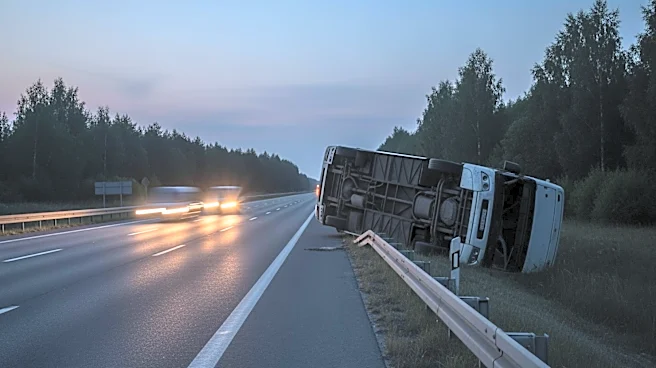
the importance of installing smoke alarms and carbon monoxide detectors in homes, securing hazardous items, and ensuring furniture stability to prevent accidents. On the road, the DPH advises regular vehicle maintenance, proper use of car seats, and vigilance against vehicular heatstroke. With statistics indicating that over 30% of teen motor vehicle crash deaths occur between Memorial Day and Labor Day, the DPH stresses the need for teen drivers to minimize distractions and adhere to road safety laws. Additionally, the department highlights the necessity for helmet use and traffic law compliance for those riding electric bikes and scooters. Pedestrian and bicyclist safety is also addressed, with recommendations for children to use sidewalks and wear helmets while engaging in activities like biking and skateboarding.
Why It's Important?
These safety measures are crucial as they aim to mitigate the heightened risk of injuries that accompany increased outdoor activities during the summer. By focusing on both home and road safety, the DPH seeks to protect children and teens from common seasonal hazards. The emphasis on road safety is particularly significant given the high incidence of teen-related motor vehicle accidents during the summer. Implementing these guidelines can potentially save lives and reduce the burden on emergency services. Moreover, promoting helmet use and adherence to traffic laws for cyclists and scooter riders can prevent serious injuries, contributing to overall public health and safety.
What's Next?
Families are encouraged to adopt these safety practices immediately as summer activities begin. The DPH will likely continue to disseminate information and resources through their website and Safe Kids South Carolina to ensure widespread awareness and compliance. Community outreach and educational programs may be organized to further reinforce these safety messages. As the summer progresses, the effectiveness of these initiatives could be evaluated, potentially leading to adjustments or additional recommendations based on observed outcomes and feedback from the public.