



What's Happening?
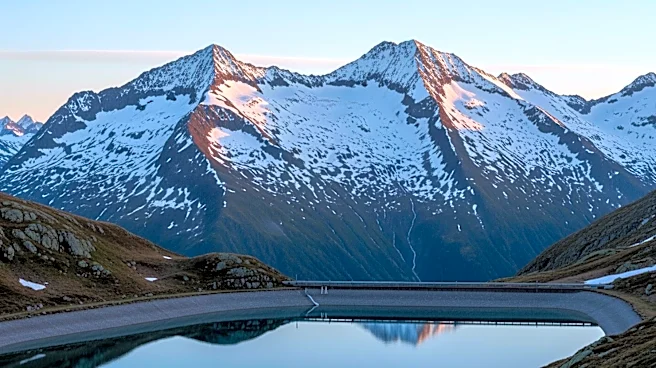
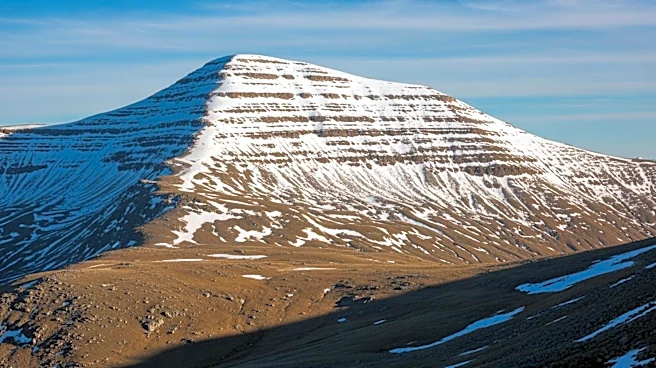
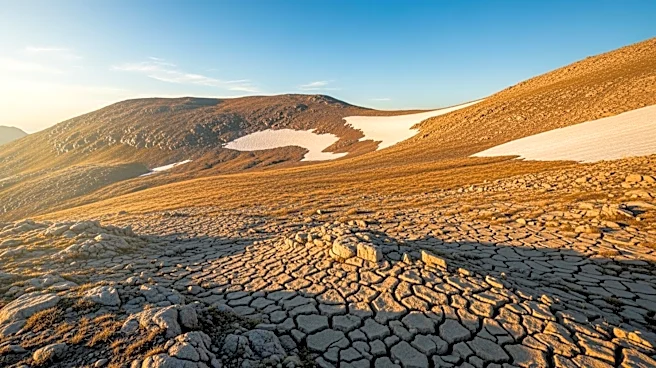
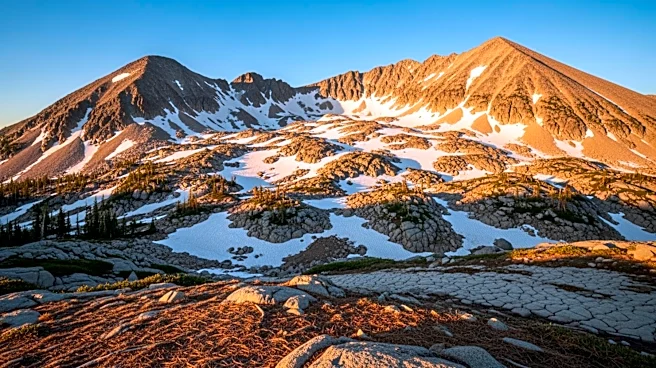
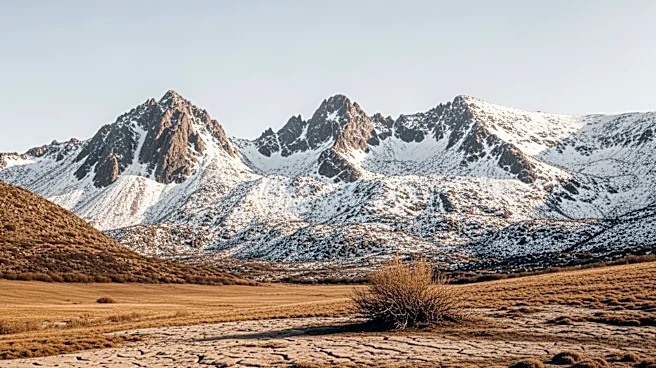
California water officials have decided not to implement statewide emergency water conservation mandates despite concerning snowpack measurements. The California Department of Water Resources conducted its critical April snow survey at Phillips Station,
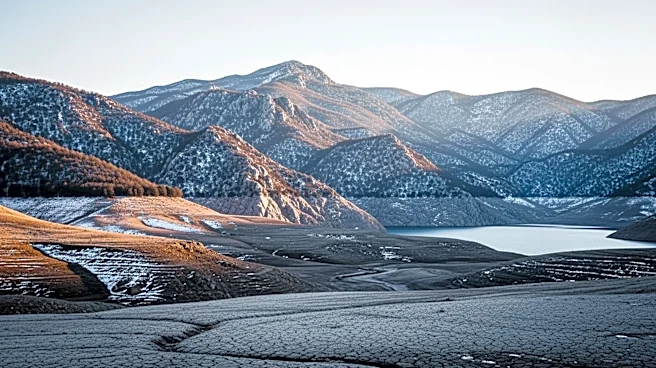
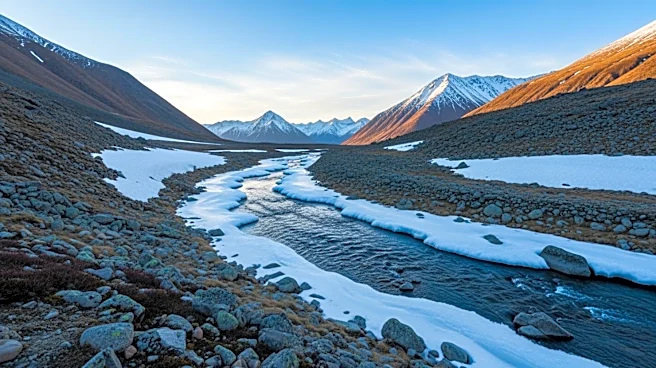
revealing no measurable snow, which is a significant indicator of potential water shortages. The snowpack, which acts as a natural reservoir, is currently at just 18% of its average, marking the second-lowest April reading ever recorded. Despite these findings, the State Water Board is not discussing emergency drought regulations, as current reservoir levels are relatively high due to earlier storms. Major reservoirs like Lake Shasta and Lake Oroville are at or above their historical averages, providing a buffer against immediate water shortages.
Why It's Important?
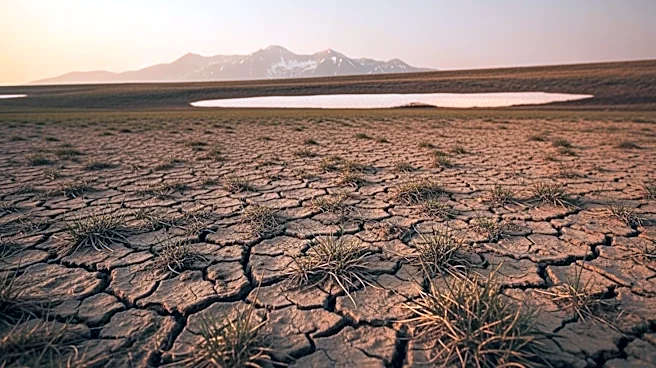
The decision not to implement emergency water conservation measures highlights the delicate balance California must maintain between current water reserves and future needs. The snowpack is a crucial water source, supplying about one-third of the state's water needs. With the snowpack significantly below average, there is a risk of water shortages during the dry season, which could impact agriculture, households, and ecosystems. The situation underscores the importance of effective water management and the potential need for future conservation measures if conditions worsen.
What's Next?
While no immediate emergency measures are planned, the situation will require close monitoring. If reservoir levels drop or if the dry season extends, the state may need to reconsider its stance on water conservation. Stakeholders, including farmers and urban planners, will need to prepare for potential water restrictions. The state may also explore long-term solutions to enhance water resilience, such as investing in water recycling and storage infrastructure.