








What's Happening?
Scientists from the University of Strathclyde and Durham University have proposed a novel method to detect 'mirror life,' a hypothetical form of life composed of molecules that are reversed versions of those found in conventional organisms. This proposed technique
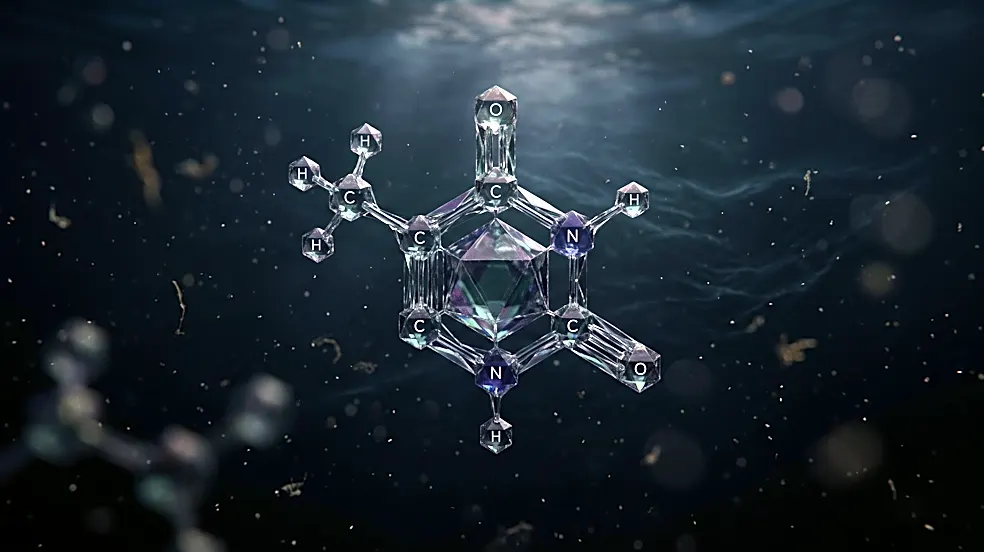
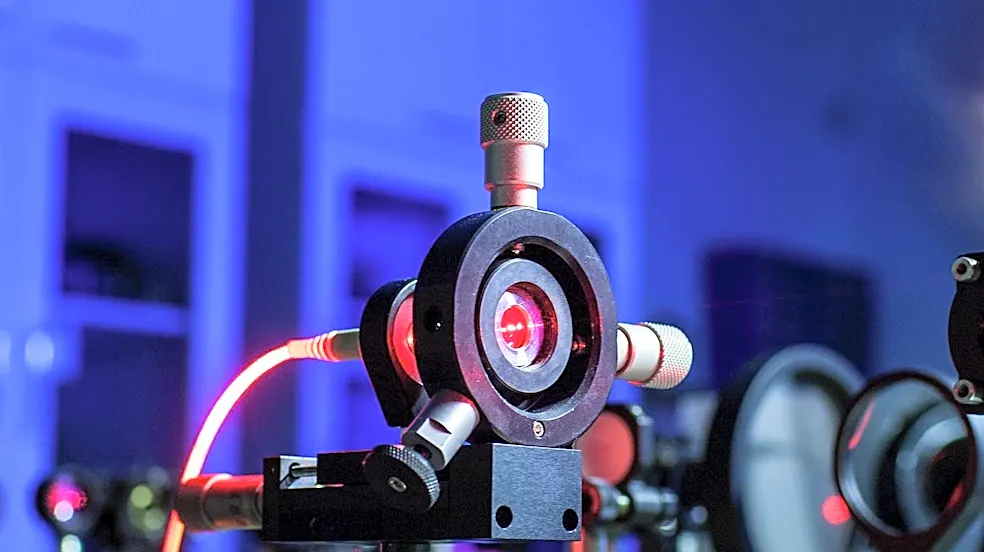
utilizes specialized fluorescent molecules that emit light with distinct left and right-handed properties. By analyzing these circularly polarized luminescence (CPL) signals, researchers believe they could differentiate between ordinary organisms and their mirror-image counterparts. While mirror life does not currently exist, its potential artificial creation is considered a serious biological safety concern due to unpredictable interactions with Earth's ecosystems and potential evasion of natural defenses. The research, published in Royal Society Open Science, suggests developing detection methods proactively, even though the likelihood of mirror life emerging is considered low. The underlying science is based on molecular chirality, or 'handedness,' where molecules can exist in two forms that are mirror images of each other, similar to human hands.
Why It's Important?
The development of a detection method for hypothetical 'mirror life' is significant for several reasons, primarily in the realm of biological safety and future scientific research. If mirror life were to be artificially created, it could pose unprecedented biological threats to humans, animals, and ecosystems, as its interactions with existing life forms are unknown and potentially harmful. This proactive approach aims to establish safeguards before such a scenario could materialize, influencing future regulations and ethical considerations in synthetic biology. The proposed CPL detection method could be adapted for various analytical systems, including biological plate readers, microscopes, and cameras, making it a versatile tool for potential screening in diverse environments. This research highlights the growing concern among scientists, governments, and international organizations regarding the responsible development of advanced biological technologies and the need for foresight in addressing potential risks. It underscores the importance of understanding molecular chirality and its profound impact on biological systems, from drug efficacy to ecological interactions.
What's Next?
The proposed detection method for 'mirror life' is currently theoretical and requires further experimental demonstration to confirm its reliability in distinguishing between different forms of molecular handedness in biological samples. Researchers plan to investigate and refine the technique using ordinary biological samples, eliminating the need to create mirror organisms for initial testing. The next steps involve developing specialized fluorescent probes that attach to specific cellular structures and generate characteristic CPL signals. To enhance reliability and reduce false readings, the team suggests combining multiple probes designed to recognize various cellular structures, creating a more dependable 'molecular fingerprint.' If successful, this method could be integrated into existing scientific equipment, potentially allowing for mirror-life screening in different environments. Future research will focus on validating the CPL detection approach and exploring its adaptability to various biological systems, paving the way for potential early warning systems against hypothetical biological threats.
Beyond the Headlines
The concept of 'mirror life' and the proposed detection method delve into profound ethical and philosophical questions surrounding the definition of life and the boundaries of scientific creation. While currently hypothetical, the discussion around mirror life highlights the increasing capabilities of synthetic biology and the need for robust ethical frameworks to guide research. The reliance on molecular chirality, a fundamental property of life, underscores the intricate balance and specificity required for biological processes. The potential for mirror-image molecules to be ineffective or even harmful, as seen in pharmaceutical examples, emphasizes the critical role of molecular structure in biological function. This research also touches upon the broader societal implications of advanced scientific endeavors, prompting discussions about responsible innovation, risk assessment, and the role of international cooperation in addressing potential global biological challenges. It serves as a reminder that scientific progress, while offering immense benefits, also necessitates careful consideration of unforeseen consequences and the development of proactive safeguards.