




What's Happening?
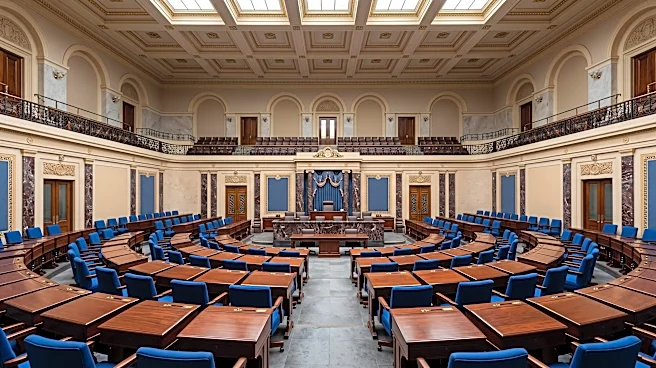
The U.S. Senate has unanimously passed legislation championed by Senators Gary Peters (D-MI) and Elissa Slotkin (D-MI) to extend the Great Lakes Restoration Initiative (GLRI). This critical bill authorizes $475 million in annual funding for the program
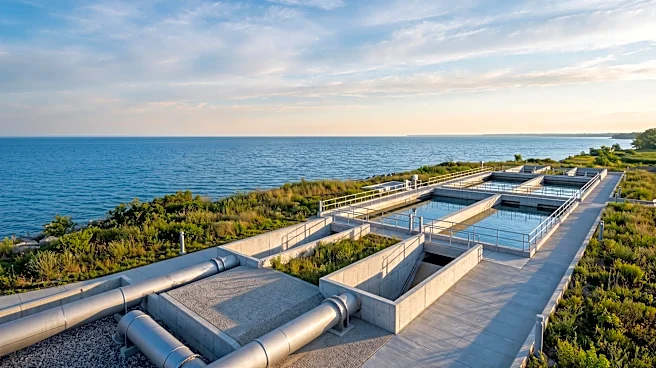
through 2030. The GLRI is a comprehensive effort that combines federal and nonfederal resources to address various environmental challenges facing the Great Lakes and surrounding waterways in Michigan. Its objectives include preventing the spread of invasive species, restoring coastlines and habitats, cleaning up environmentally damaged Areas of Concern, and preventing future contamination. Senator Peters, who co-chairs the Senate Great Lakes Task Force, emphasized the GLRI's significance as the largest investment ever made to protect the Great Lakes from issues like invasive species, pollution, and shoreline erosion. Both senators have been consistent advocates for the Great Lakes, previously securing the single-largest investment in the GLRI through the bipartisan infrastructure law to accelerate restoration efforts in high-priority areas.
Why It's Important?
This legislation is vitally important for the ecological health and economic well-being of the Great Lakes region. The Great Lakes are a critical natural resource, providing drinking water for millions of people and supporting a significant portion of the U.S. economy through tourism, fishing, and shipping. The continued funding of the GLRI ensures that ongoing efforts to combat invasive species, restore degraded habitats, and improve water quality can proceed without interruption. Without this sustained investment, the progress made in restoring the Great Lakes could be jeopardized, leading to further environmental degradation and economic losses for the communities that depend on these waterways. The unanimous Senate vote underscores the bipartisan recognition of the Great Lakes' importance and the effectiveness of the GLRI program. This reauthorization provides long-term stability for restoration projects, allowing for strategic planning and implementation to address complex environmental challenges over the next decade.
What's Next?
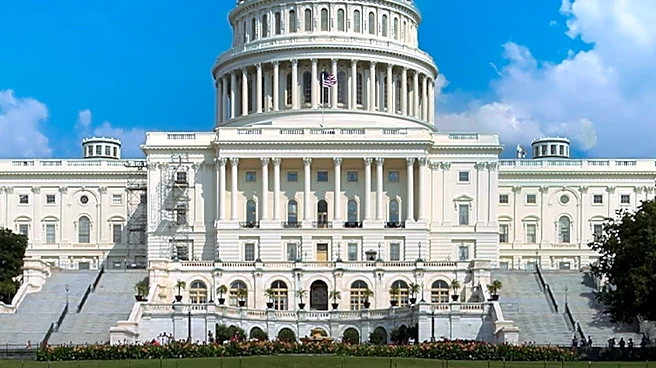
Following its unanimous passage in the Senate, the legislation to extend the Great Lakes Restoration Initiative (GLRI) will now move to the House of Representatives for consideration. If the House also passes the bill, it will then be sent to the President for signature to become law. Should it be enacted, the GLRI will continue to receive $475 million in annual funding through 2030, ensuring the continuation of vital restoration and protection projects. Stakeholders, including environmental organizations, state and local governments, and communities across the Great Lakes basin, will likely continue to advocate for its swift passage in the House and monitor its implementation. The reauthorization will allow for continued efforts in areas such as invasive species control, habitat restoration, and pollution prevention, with a focus on achieving long-term ecological and economic benefits for the region.
Beyond the Headlines
The reauthorization of the Great Lakes Restoration Initiative (GLRI) extends beyond immediate environmental benefits, touching upon broader themes of regional identity, interstate cooperation, and the long-term sustainability of critical natural resources. The Great Lakes are not just a body of water but a defining feature of the region's culture and economy, making their protection a matter of both ecological necessity and cultural preservation. This bipartisan support for the GLRI highlights a rare consensus in U.S. politics on environmental stewardship, demonstrating that shared natural assets can transcend political divides. Furthermore, the program's success in combining federal and nonfederal efforts serves as a model for collaborative conservation, potentially influencing approaches to other large-scale environmental challenges across the nation. The continued investment also underscores the economic value of ecological health, as a healthy Great Lakes ecosystem directly supports industries and livelihoods, reinforcing the idea that environmental protection is also economic development.