









What's Happening?
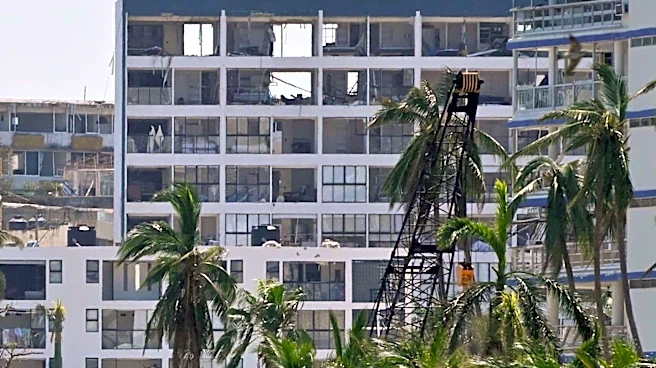
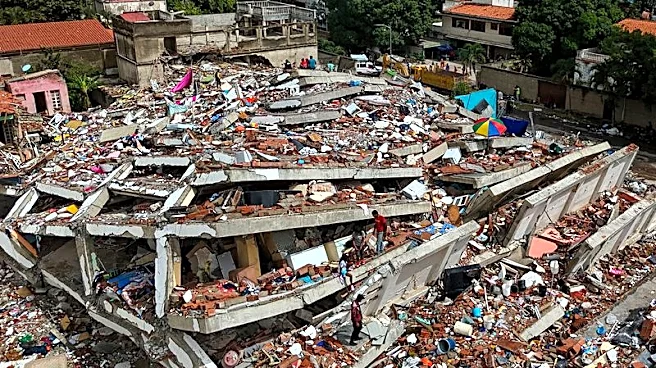
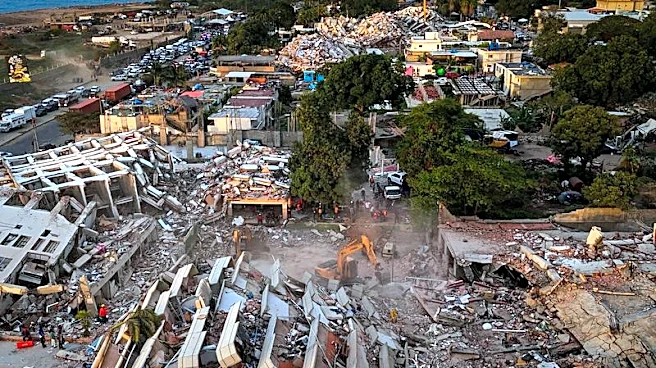
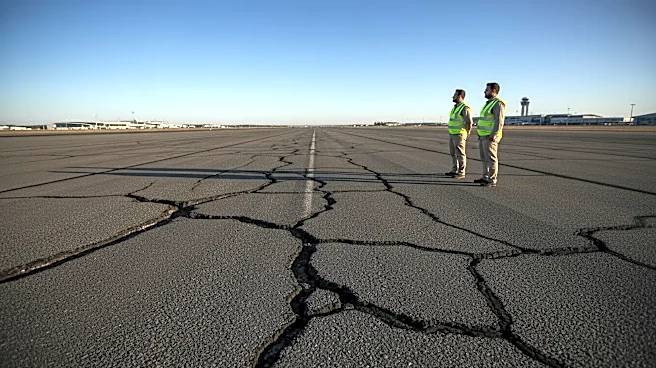
Venezuela is grappling with the aftermath of two powerful earthquakes that struck on June 24, 2026, causing significant damage to essential infrastructure such as airports and hospitals. This has complicated the delivery of international aid, despite
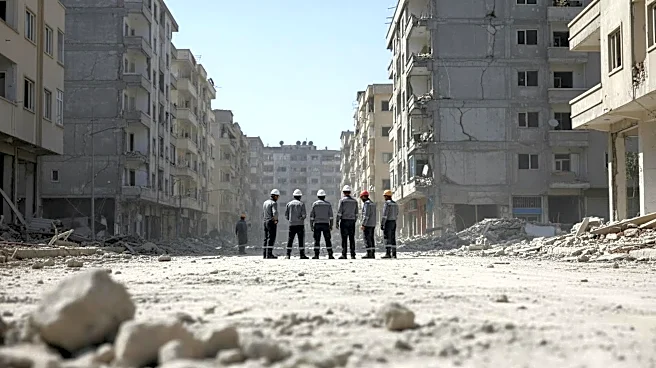
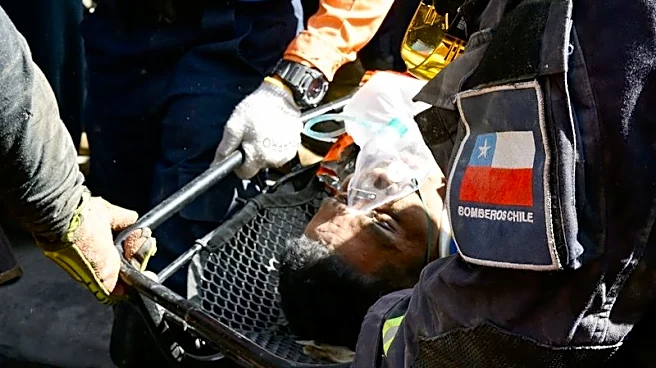
pledges of support from countries including the United States, Brazil, and several European nations. The earthquakes have exacerbated the already dire humanitarian situation in Venezuela, where millions were struggling with shortages of food, medicine, and basic services. The international community has sent equipment to assist in rescue operations, but logistical challenges remain due to the damaged infrastructure.
Why It's Important?
The earthquakes in Venezuela highlight the vulnerability of countries with fragile infrastructure to natural disasters. The situation underscores the importance of international cooperation and the need for effective disaster response mechanisms. For the U.S., which hosts a significant Venezuelan diaspora, the crisis presents both a humanitarian concern and an opportunity to demonstrate leadership in international aid. The ability to deliver timely and effective assistance could strengthen diplomatic ties and support regional stability.
What's Next?
Efforts to deliver aid to Venezuela will continue, with a focus on overcoming logistical hurdles posed by damaged infrastructure. The international community, including the U.S., will need to coordinate closely with local partners to ensure that aid reaches those most in need. Additionally, there may be calls for increased investment in infrastructure resilience to better prepare for future disasters. The situation also presents an opportunity for the U.S. to engage in broader discussions on humanitarian aid and disaster preparedness in Latin America.