


What's Happening?
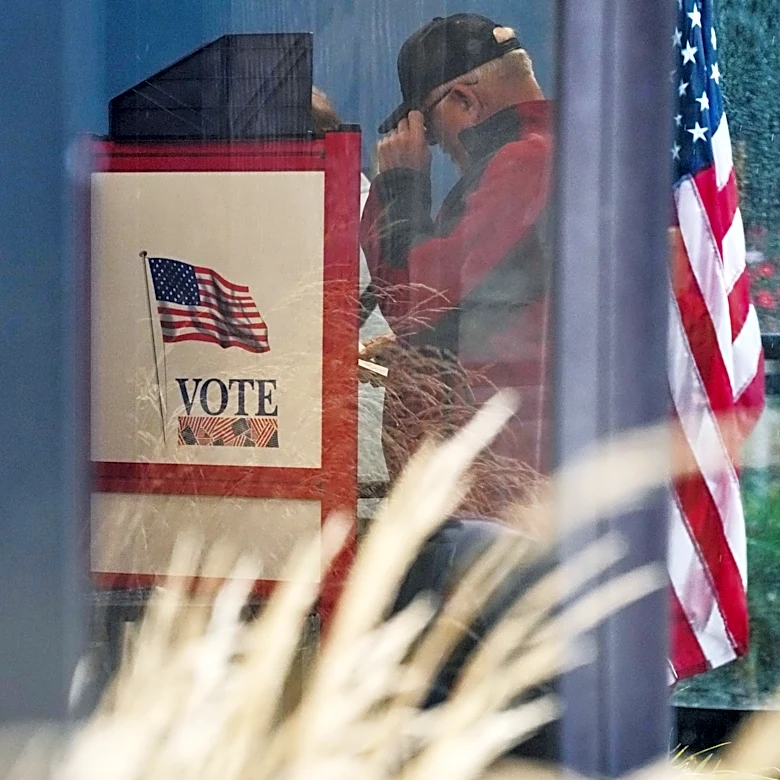
Famed economist Paul Krugman has predicted that President Trump is in a 'sundowning' period and will become more dangerous if Democrats secure victories in the upcoming midterm elections. Writing in a Substack post, Krugman asserted that if Democrats retake
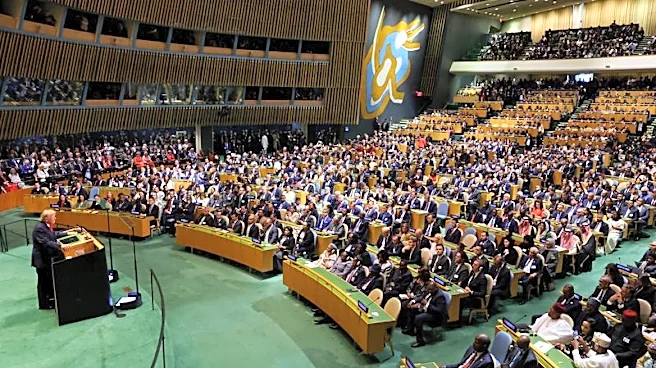
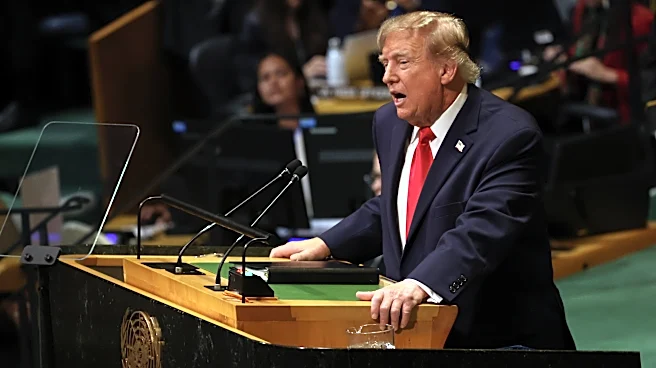
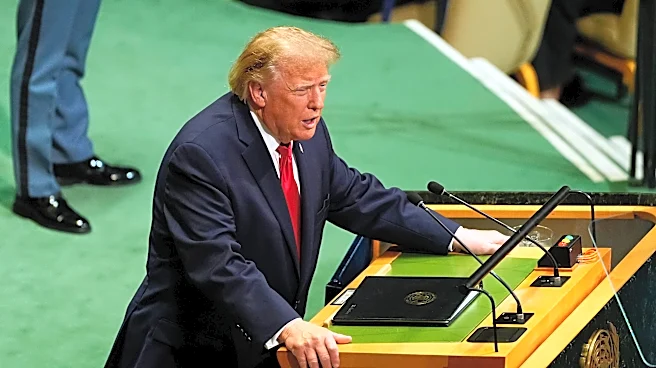
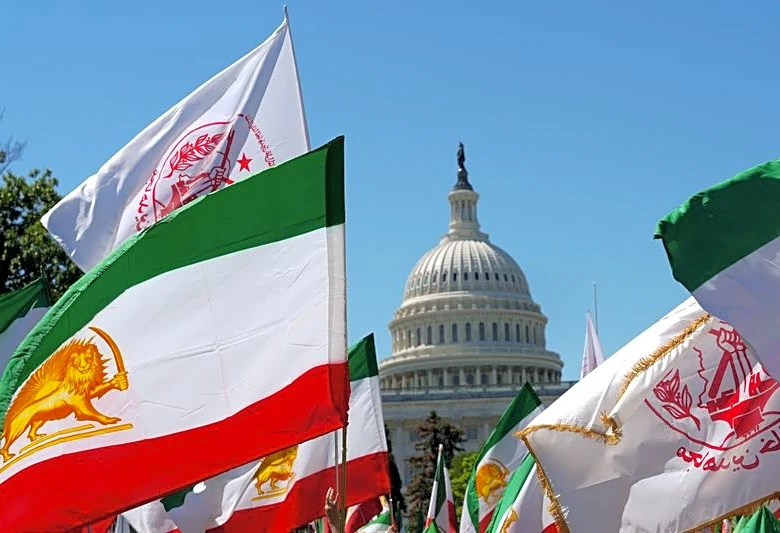
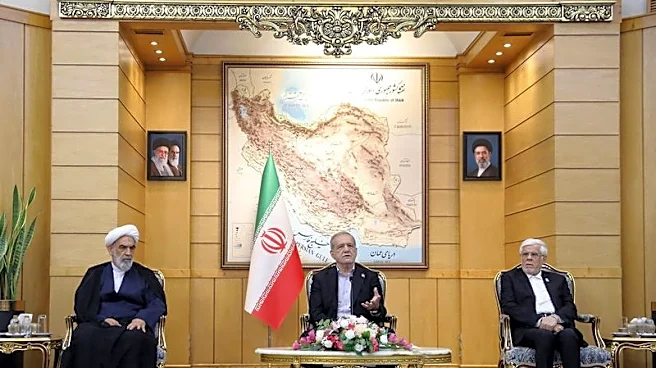
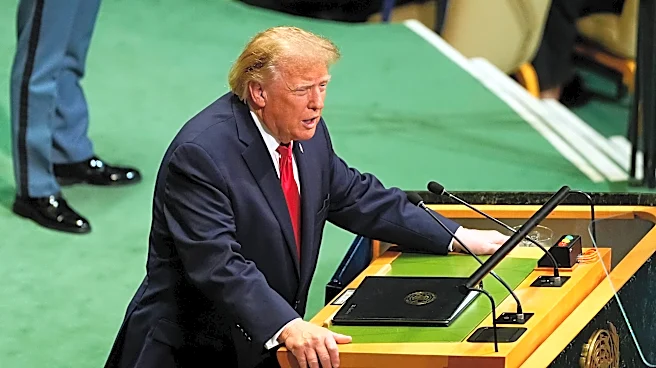
Congress, President Trump will perceive it as America failing him and will use his remaining power vindictively against both victorious Democrats and the American people. Krugman, a Nobel Memorial Prize laureate in Economic Sciences, criticized the media's focus on President Trump's 'lying and belligerence' during his United Nations speech, where he reportedly threatened Iran and presented inaccurate economic data. Instead, Krugman argued that the more significant issue is President Trump's apparent mental decline, which he previously addressed in a post titled 'It’s Sundowning In America' concerning President Trump's demands for a Nobel Peace Prize. Krugman also claimed that the 'damage being done by Deranged Trump Syndrome was already obvious' before President Trump's 'catastrophic war-of-choice in Iran,' which he believes squandered America's military credibility and munitions.
Why It's Important?
Krugman's prediction carries significant weight due to his prominence as an economist and public commentator, and it highlights concerns about the potential for political instability and executive overreach in the event of a divided government. The idea that President Trump might act 'vindictively' if Democrats gain power suggests a heightened risk of executive actions that could bypass legislative processes, potentially leading to policy gridlock or unilateral decisions. This could impact various sectors, from economic policy to international relations, as President Trump might prioritize actions perceived as retaliatory rather than cooperative. The assertion of President Trump's 'sundowning' and 'Deranged Trump Syndrome' also reflects a broader public and media discourse questioning his fitness for office, which could influence voter perceptions and political narratives leading up to and beyond the midterms. The potential for a 'badly damaged nation' if Democrats win the White House in 2028, as Krugman suggests, underscores anxieties about the long-term consequences of current political tensions and executive behavior.
What's Next?
If Democrats achieve significant gains in the midterms, the political landscape could become even more polarized, potentially leading to increased confrontations between the executive and legislative branches. President Trump's reactions, as predicted by Krugman, could include intensified rhetoric, executive orders, or other actions aimed at undermining the opposition or asserting presidential authority. This could result in legislative stalemates, challenges to democratic norms, and a more volatile political environment. Conversely, if Republicans maintain or expand their control, President Trump might feel emboldened to pursue his agenda with fewer checks and balances. The ongoing public debate about President Trump's mental state and leadership style will likely continue to be a prominent feature of political discourse, influencing how both his supporters and detractors engage with his administration. The midterms will serve as a critical barometer of public sentiment and will shape the dynamics of the remaining years of President Trump's term and the lead-up to the 2028 presidential election.
Beyond the Headlines
Krugman's commentary delves into the psychological dimensions of political leadership and the potential for personal traits to influence national governance. The concept of 'sundowning' applied to a political leader raises ethical questions about public discourse on mental health and its intersection with political power. It also highlights the broader societal anxieties about the stability of democratic institutions when faced with perceived authoritarian tendencies or unpredictable leadership. The discussion about President Trump's 'vindictive' use of power touches upon the checks and balances inherent in the U.S. system and how they might be tested under extreme political pressure. This situation could lead to a re-evaluation of the mechanisms designed to constrain executive power and protect democratic processes. Furthermore, the focus on President Trump's actions in relation to international affairs, such as the 'war-of-choice in Iran,' underscores the global implications of domestic political dynamics and the potential for internal political struggles to impact international stability and U.S. foreign policy credibility.