




What's Happening?
On Veterans Day, the U.S. House of Representatives passed the Take Care of America's Veterans Act, a comprehensive veterans benefits bill. This legislation aims to provide an average of $1,450 more per month to approximately 58,000 combat-injured military
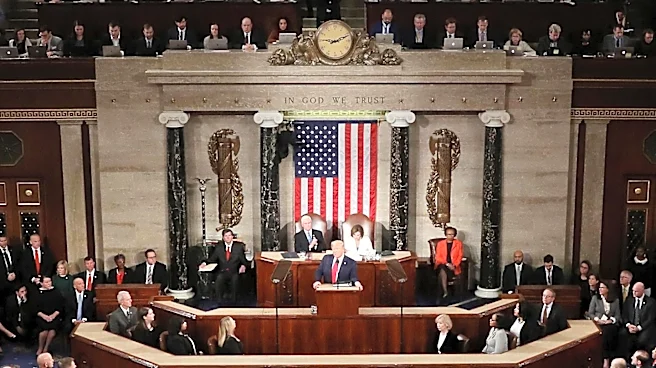
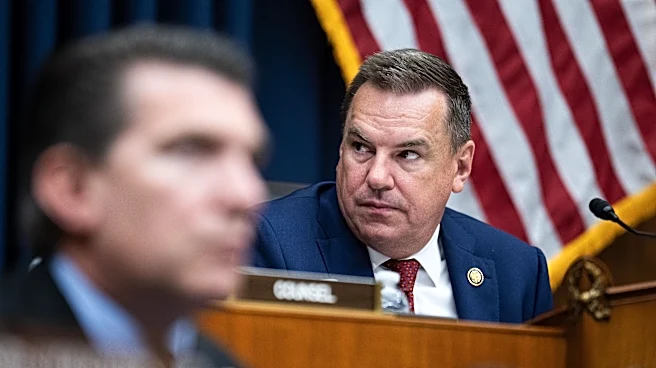
retirees by removing an existing offset that reduces their military retirement pay when they also receive VA disability compensation. This provision addresses a long-standing issue for veterans who were medically separated or retired due to combat-related injuries. However, the bill includes a controversial measure to help fund these new benefits: changes to how the Department of Veterans Affairs calculates disability compensation for tinnitus and sleep apnea. Under the proposed changes, tinnitus would generally no longer qualify for a separate compensable rating, and sleep apnea ratings would place greater emphasis on treatment effectiveness rather than solely a CPAP prescription. Existing recipients of these benefits would be protected from reductions based solely on these changes. The bill passed the House via a voice vote, which has drawn criticism from some lawmakers and veterans organizations regarding the lack of a recorded roll-call vote. Representative Julie Fedorchak of North Dakota supported the measure, viewing it as an opportunity to advance several veterans' priorities. The bill now moves to the Senate for consideration.
Why It's Important?
This legislation is significant for its potential to substantially increase financial support for tens of thousands of combat-injured military retirees, addressing a long-standing grievance within the veteran community. The removal of the retirement offset, a provision known as the Major Richard Star Act, has bipartisan support and is seen as a crucial step in ensuring that veterans do not have to choose between their earned retirement pay and disability compensation. However, the method of funding these benefits by altering disability rating criteria for tinnitus and sleep apnea introduces a contentious element. This approach could lead to reduced disability payments for future claimants with these conditions, potentially impacting a large population of veterans over time. Veterans organizations like the Veterans of Foreign Wars and Disabled American Veterans have voiced strong opposition to this funding mechanism, arguing that benefits for one group should not be financed by reductions for another. The debate highlights a fundamental tension in public policy: how to expand benefits for one deserving group without creating new disadvantages for others or significantly increasing the federal deficit.
What's Next?
The Take Care of America's Veterans Act now awaits consideration in the Senate. The Senate has several options: it could pass the House-approved package as is, amend it, or consider a separate version of the Major Richard Star Act (H.R. 2102) that does not include the controversial tinnitus and sleep apnea provisions. If the bill passes the Senate, it would then require presidential action to become law. Veterans organizations are expected to continue lobbying lawmakers to remove the disability rating language for tinnitus and sleep apnea. The central dispute remains whether the federal government should use reduced compensation for some veterans' future disability claims to help pay for increased benefits for combat-injured retirees. The outcome in the Senate will determine the final form of this legislation and its long-term impact on veterans' benefits.
Beyond the Headlines
The controversy surrounding the funding mechanism of the Take Care of America's Veterans Act touches upon deeper ethical and policy considerations regarding how the nation supports its veterans. While the intent to provide full benefits to combat-injured retirees is widely supported, the decision to offset these costs by potentially reducing future disability payments for other common service-connected conditions raises questions about equity and fairness within the veteran community. This approach could create a precedent where benefits for one group are contingent on re-evaluating or reducing benefits for another, potentially fragmenting veteran advocacy efforts. It also highlights the ongoing challenge of balancing fiscal responsibility with comprehensive veteran care. The debate underscores the complexity of veterans' policy, where seemingly beneficial reforms can have unintended consequences and spark significant internal divisions among those they aim to serve. The voice vote in the House also raises concerns about transparency and accountability in legislative processes, particularly on issues with broad public interest.