

What's Happening?
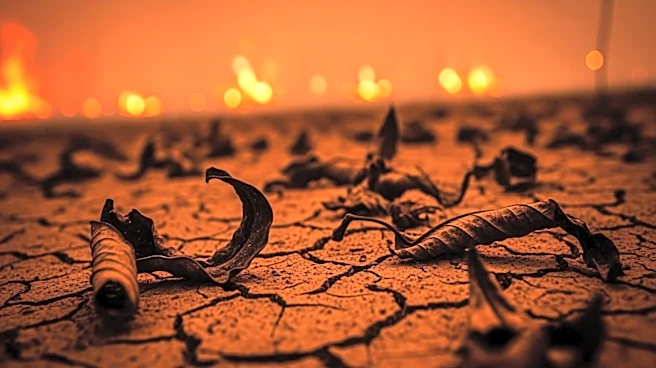
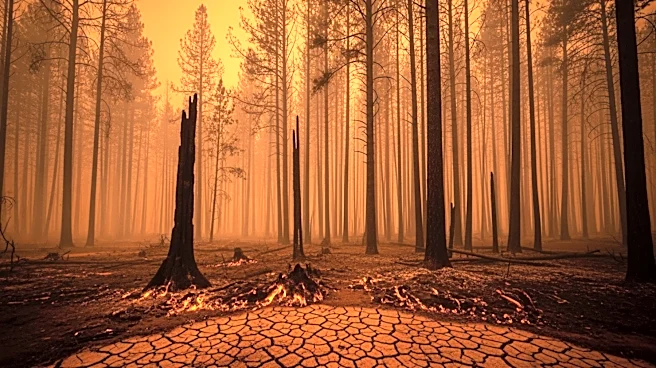
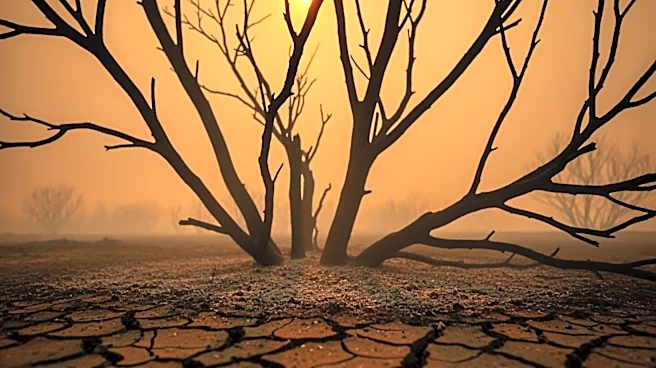
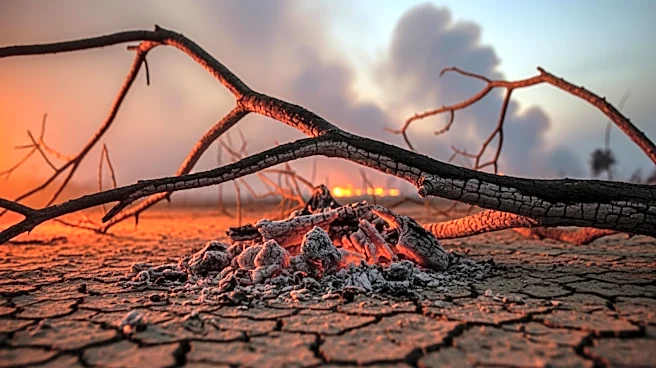
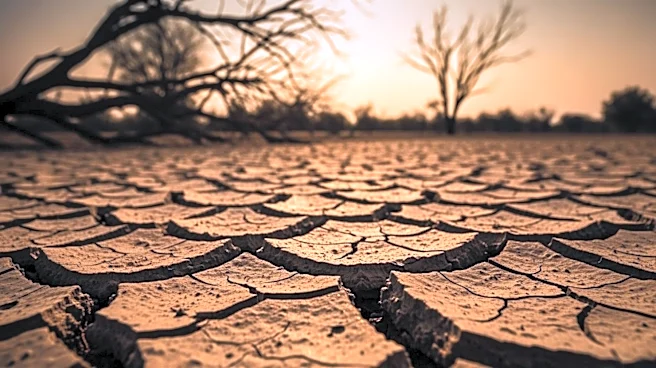
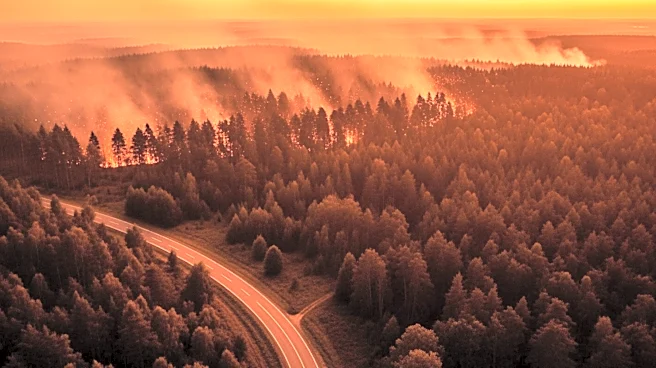
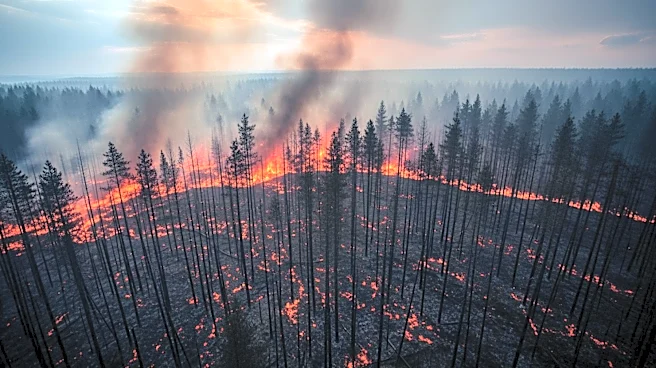
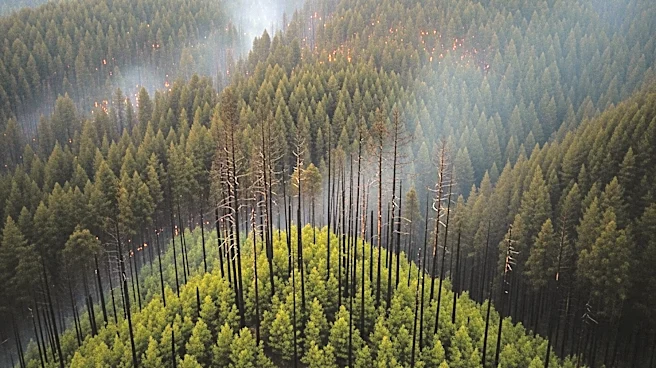
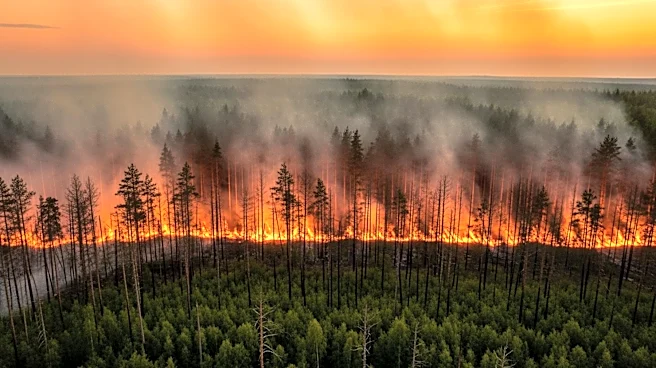
Wildfires across southeastern U.S. states, particularly Georgia and Florida, have intensified, destroying nearly 50 homes in Georgia and forcing evacuations. The fires are fueled by a prolonged drought, low humidity, and strong winds. In Georgia, the Brantley
County fire has expanded significantly, threatening more homes and leading to over 800 evacuations. The Georgia Forestry Commission has issued a mandatory burn ban for 91 counties. In Florida, 131 wildfires are burning across 34 square miles, mostly in the northern part of the state. The fires have affected air quality in major cities like Atlanta, Savannah, and Jacksonville.
Why It's Important?
The wildfires highlight the severe impact of climate conditions on the southeastern U.S., with both Georgia and Florida experiencing one of their worst fire seasons in decades. The destruction of homes and the need for evacuations underscore the urgent need for effective disaster management and resource allocation. The fires also pose significant health risks due to deteriorating air quality, affecting millions of residents. The situation calls for coordinated efforts from state and federal agencies to manage the crisis and mitigate future risks.
What's Next?
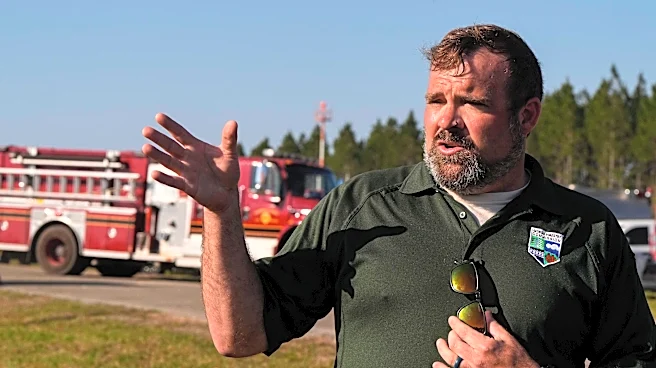
Efforts to control the wildfires are ongoing, with firefighting equipment being strategically positioned across affected areas. Authorities are urging residents to adhere to burn bans and avoid activities that could spark new fires. The National Weather Service warns that the high fire risk will persist due to dry conditions. Emergency management agencies continue to monitor air quality and provide updates to the public. Long-term strategies may include reviewing and enhancing fire prevention measures and addressing the underlying climate conditions contributing to the fires.