



What's Happening?
The Minneapolis City Council is poised to vote on a proposed ordinance that would mandate human safety monitors in all driverless rideshare vehicles operating within the city. The measure advanced from the council’s Committee of the Whole with a 7-4 vote,
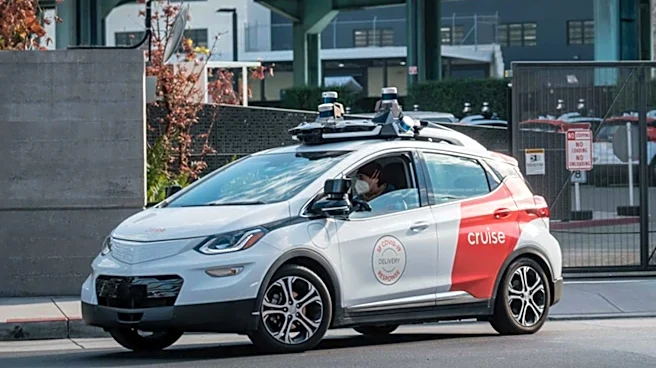
indicating strong support for its passage. However, Mayor Jacob Frey has expressed significant criticism, labeling the ordinance a “back door ban” and suggesting it could prompt state pre-emption. The ordinance would also require these human monitors to possess a driver’s license and be paid at least minimum wage. Proponents argue that this regulation is necessary to prevent job displacement among rideshare drivers and to allow the city more time to study the implications of autonomous vehicles, as the ordinance would not take effect until October 2027 if passed. The robotaxi industry, including companies like Waymo, is already testing fleets in the Twin Cities.
Why It's Important?
This ordinance represents a critical juncture in the regulation of emerging autonomous vehicle technology in the U.S., particularly at the municipal level. Its passage could significantly impact the operational models and expansion plans of robotaxi companies like Waymo, potentially increasing their costs and slowing their deployment in Minneapolis. For workers, especially current rideshare drivers, the ordinance offers a potential safeguard against job displacement due to automation, addressing concerns about the economic impact of advanced technology. The conflict between the City Council and Mayor Frey also highlights the broader debate over local versus state authority in regulating new technologies. If Minneapolis successfully implements this ordinance, it could serve as a precedent for other cities grappling with similar issues, influencing the national regulatory landscape for autonomous vehicles and the future of urban transportation and labor.
What's Next?
The Minneapolis City Council is scheduled to hold a final vote on the robotaxi ordinance. While it passed the committee stage, securing the necessary votes to override a potential mayoral veto could be challenging, as nine votes would be required. Mayor Frey has indicated his strong opposition and preference for state-level regulation, suggesting a veto is likely if the ordinance passes. If vetoed, the council would need to rally additional support to enact the measure. Meanwhile, the robotaxi industry, including Waymo, continues to test its vehicles in the Twin Cities, though without offering rideshare services to customers yet. The outcome of this vote and any subsequent mayoral action will determine the immediate future of autonomous vehicle operations in Minneapolis and could influence legislative efforts at the state level regarding robotaxi regulation.
Beyond the Headlines
The Minneapolis robotaxi debate delves into complex ethical and societal questions beyond immediate economic and regulatory concerns. It forces a confrontation with the societal implications of automation, particularly regarding job security and the future of work in the gig economy. The requirement for human monitors in driverless cars, while seemingly contradictory, reflects a cautious approach to technological integration, prioritizing human oversight and safety during a transitional period. This situation also highlights the tension between technological innovation, which promises efficiency and new services, and the preservation of human livelihoods and public trust. The city's decision could influence public perception of autonomous vehicles, shaping expectations for safety, accountability, and the role of human labor in an increasingly automated world, potentially sparking similar legislative efforts in other municipalities across the U.S.