








What's Happening?
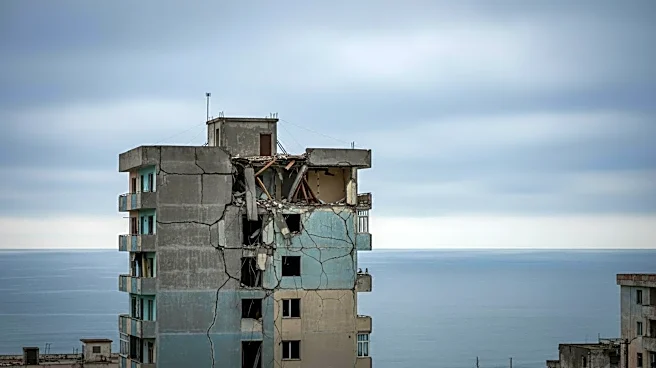
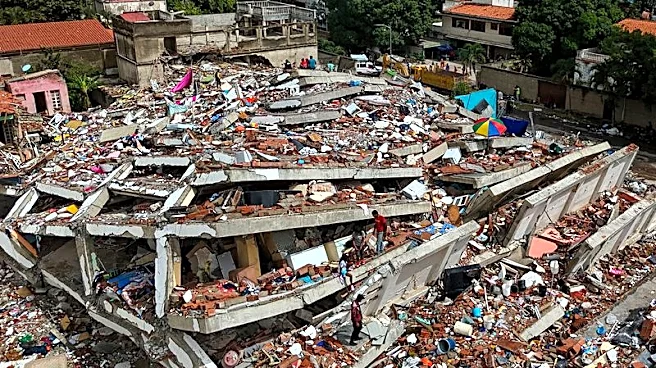
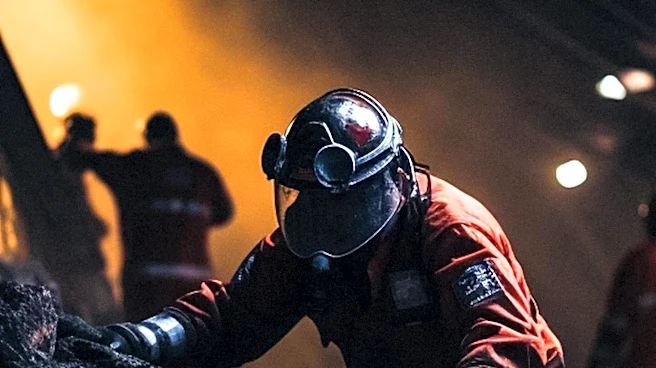
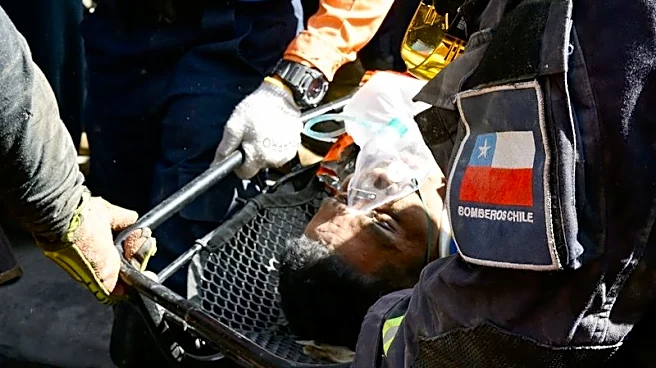
In Catia La Mar, Venezuela, a 43-year-old security guard named Hernán Alberto Gil Flores was rescued from the basement of a collapsed building after being trapped for eight days following twin earthquakes. The rescue operation, which lasted over 100 hours,
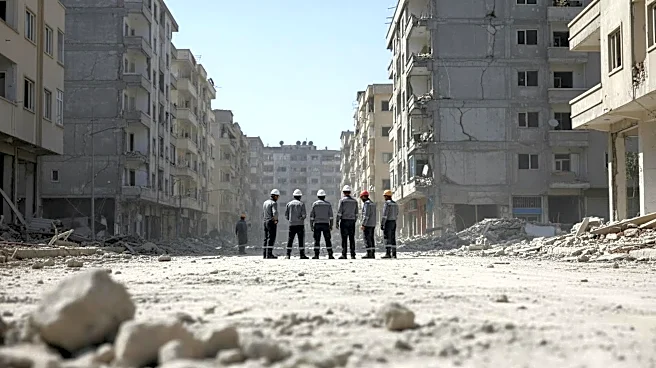
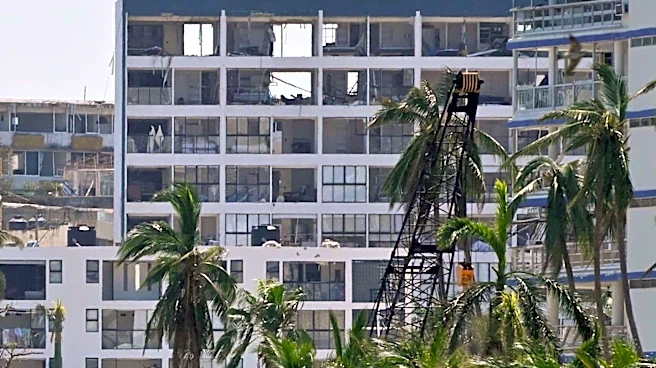
involved international teams from countries including the United States, Chile, and Costa Rica. Gil Flores was found alive in a small security cabin that withstood the collapse, providing him with a vital air pocket. Rescuers maintained contact with him, supplying food and water through a narrow shaft. The operation was celebrated as a symbol of hope amidst the devastation caused by the earthquakes, which resulted in significant casualties and damage across northern Venezuela.
Why It's Important?
The successful rescue of Gil Flores highlights the critical role of international cooperation in disaster response. The operation not only saved a life but also demonstrated the effectiveness of coordinated efforts in crisis situations. This event underscores the importance of preparedness and rapid response capabilities in mitigating the impact of natural disasters. The rescue operation also brought attention to the challenges faced by Venezuela in managing the aftermath of the earthquakes, with criticisms directed at the government's crisis response. The involvement of international teams reflects the global solidarity and support extended to Venezuela during this humanitarian crisis.
What's Next?
Following the rescue, attention is likely to focus on the ongoing recovery efforts in Venezuela. The government may face increased scrutiny regarding its disaster management strategies and the adequacy of its response to the earthquakes. International aid and support may continue to play a crucial role in the recovery process, with potential calls for improved infrastructure and emergency preparedness in the region. The successful rescue could also lead to discussions on enhancing international collaboration in disaster response and the sharing of best practices to improve outcomes in future emergencies.