



What's Happening?
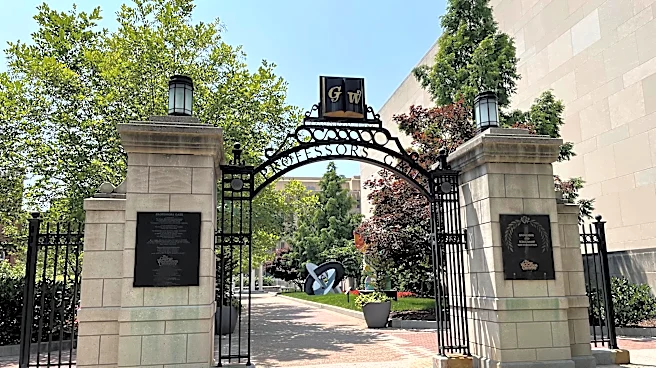
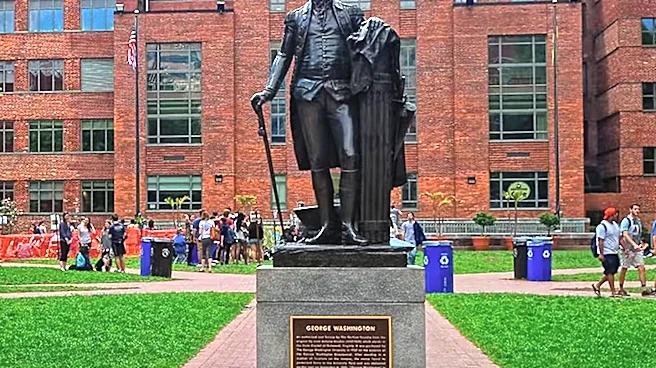
George Washington University’s International Institute of Tourism Studies has secured a $1.5 million federal cooperative agreement. This funding is designated to assist tribal nations, tribal organizations, and Native Hawaiian organizations in developing
cultural heritage tourism initiatives. The agreement, which could total up to $7.5 million over five years subject to appropriations, will provide technical assistance, conduct community needs assessments, and facilitate coordination with federal agencies. This initiative specifically targets organizations that have applied to the Bureau of Indian Affairs’ (BIA) Tribal Tourism Grant Program or the Office of Native Hawaiian Relations’ tourism grant programs. The university will collaborate with NCGrowth at the University of North Carolina at Chapel Hill and the Center for Native American Health and Economic Development to implement the program. The International Institute of Tourism Studies has a history of supporting over 20 tribal nations in tourism planning and product development, including establishing the Indigenous Tourism Collaborative of the Americas in 2021.
Why It's Important?
This federal funding is crucial for strengthening the economic self-sufficiency and cultural preservation efforts of Native American and Native Hawaiian communities. By providing resources for cultural heritage tourism, the initiative aims to create sustainable economic opportunities, attract visitors, and enhance local economies in these communities. The development of tourism infrastructure and experiences can help showcase unique cultural traditions, histories, and natural landscapes, fostering a deeper understanding and appreciation among visitors. Furthermore, it empowers tribal nations and Native Hawaiian organizations to control their own narratives and economic development paths. The collaboration between academic institutions and federal agencies signifies a concerted effort to address historical disparities and support indigenous communities through culturally sensitive economic development models.
What's Next?
While the university's announcement did not specify the exact start date for assistance or the process for organizations to request services, the program is expected to roll out in the near future. Tribal nations, tribal organizations, and Native Hawaiian organizations that have previously applied for relevant BIA or Office of Native Hawaiian Relations tourism grants will likely be prioritized or directly engaged. The George Washington University, in partnership with NCGrowth and the Center for Native American Health and Economic Development, will begin implementing the technical assistance and needs assessment phases. This will involve direct engagement with communities to tailor support to their specific cultural heritage tourism goals, potentially leading to new tourism products, marketing strategies, and visitor experiences across various Native communities.
Beyond the Headlines
This initiative extends beyond mere economic development; it represents a significant step towards cultural revitalization and sovereignty for Native communities. By promoting cultural heritage tourism, these communities can actively preserve and transmit their traditions, languages, and histories to future generations and a broader audience. It also addresses the ethical dimension of tourism, ensuring that development is community-led and respectful of indigenous cultures and lands. The long-term impact could include increased cultural pride, enhanced self-determination, and a more accurate representation of Native American and Native Hawaiian cultures in the national and international tourism landscape, moving away from stereotypical portrayals and towards authentic cultural exchange.