



What's Happening?
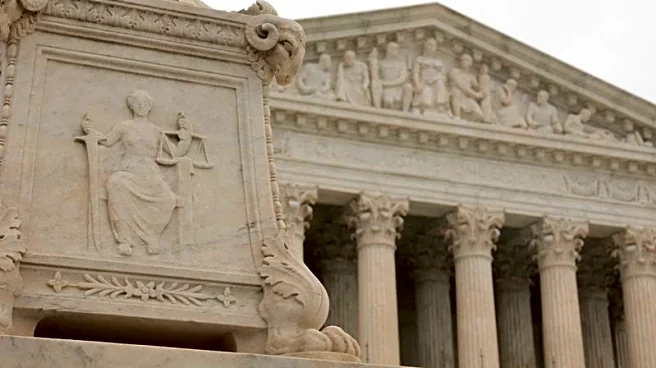
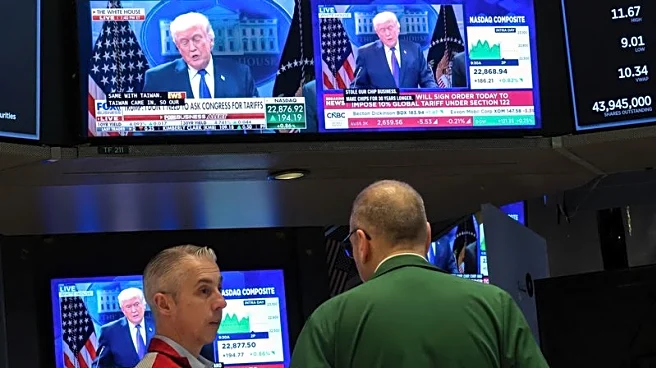
The U.S. Supreme Court has struck down President Trump's use of emergency powers to impose tariffs, leading to a revision of his tariff strategy. The administration has replaced the previous levies with a blanket 15% global rate, effective immediately.
This decision impacts trade deals negotiated over the past year and raises questions about the future of U.S. trade policy. The ruling has significant implications for America's trading partners and domestic businesses, as it alters the landscape of international trade agreements.
Why It's Important?
The Supreme Court's decision marks a pivotal moment in U.S. trade policy, challenging the executive branch's authority to impose tariffs unilaterally. This ruling could lead to increased scrutiny of trade practices and influence future negotiations with international partners. For U.S. businesses, the change in tariff rates may affect supply chains and pricing strategies, potentially leading to economic adjustments. The decision also highlights the ongoing debate over the balance of power between the executive and judicial branches in shaping trade policy.
What's Next?
In the wake of the ruling, the Trump administration must navigate the complexities of renegotiating trade agreements and addressing the concerns of affected industries. The decision may prompt legal challenges and calls for legislative action to clarify the scope of executive powers in trade matters. As the U.S. approaches midterm elections, the impact of the ruling on domestic economic conditions and voter sentiment will be closely watched. The outcome of these developments could shape the future direction of U.S. trade policy and international relations.