







What's Happening?
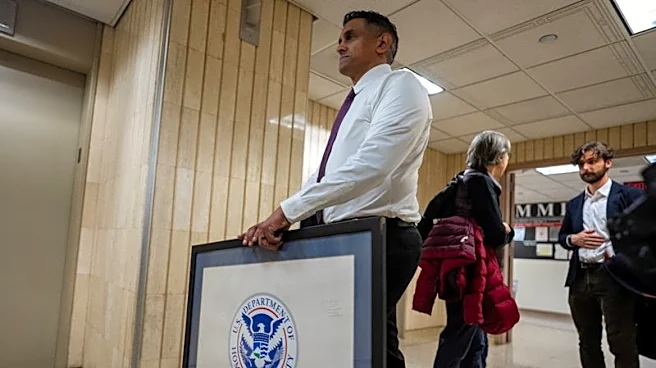
The U.S. Department of Education (ED) has launched a comprehensive initiative to combat fraud within the Free Application for Federal Student Aid (FAFSA) system. This move comes in response to concerns about the ease with which the system can be exploited,
potentially diverting billions of dollars in academic funding. The new measures include real-time identity screening and stricter verification requirements for applicants. The ED is also enhancing its collaboration with other federal agencies, such as the Social Security Administration, to prevent fraudulent disbursements, including payments to deceased individuals. Additionally, the Department of Homeland Security is involved in confirming applicant eligibility upon submission. These efforts aim to intercept fraudulent requests early in the process, thereby safeguarding the integrity of financial aid programs.
Why It's Important?
The implementation of these enhanced security measures is crucial for maintaining the integrity of the FAFSA system, which is the largest source of academic financial aid in the U.S. By preventing fraud, the government ensures that financial aid reaches deserving students rather than being siphoned off by fraudulent entities. This is particularly important given the reported $90 million in aid that has been misallocated to ineligible recipients over the past three years. The initiative also addresses sophisticated fraud tactics, such as the use of 'ghost students' and AI bots, which have previously exploited the system. However, there are concerns that these measures could inadvertently create barriers for legitimate students, particularly those with fewer resources or documentation, potentially delaying their access to necessary financial aid.
What's Next?
As the new fraud detection tools are integrated into the FAFSA process, the Department of Education will likely monitor their effectiveness and make adjustments as needed. There may be ongoing discussions with educational institutions and advocacy groups to address any unintended consequences, such as increased application complexity for students. The ED's continued partnership with other federal agencies will be crucial in refining these measures and ensuring they do not disproportionately affect students in need. Additionally, the department may explore further technological advancements to streamline the verification process while maintaining robust security standards.