
What's Happening?
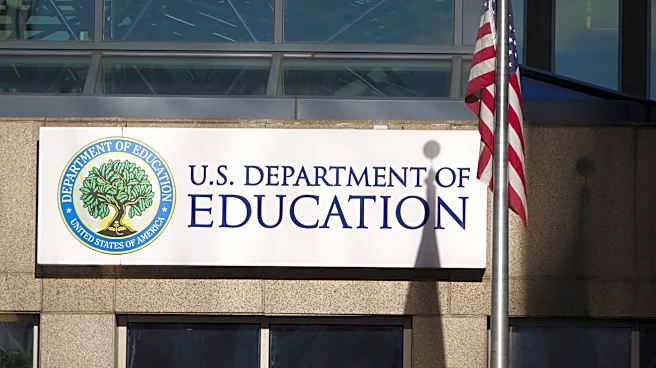
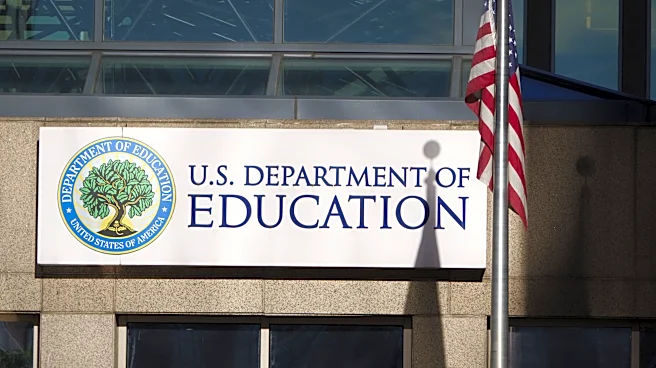
Federal Student Aid (FSA) has updated its repayment plans following a 2025 law, advising borrowers to consult studentaid.gov for current options. For individuals with federal student loans or grant overpayments,
eligibility for further FSA funds is possible if previous debts were discharged in bankruptcy. However, if a defaulted FSA loan or grant overpayment is listed in an active bankruptcy claim, eligibility for new funds is denied unless documentation from the debt holder confirms its dischargeability. Bankruptcy courts do not apply a single test for 'undue hardship' in student loan discharge cases. The Justice Department's 2022 guidance frequently references the Brunner test from a 1987 federal appeals case, while other courts may use a 'totality of circumstances' test. Borrowers must satisfy the specific test applied by their court to prove financial hardship. The current status of collections for defaulted loans is not definitively stated, with FSA's collections page in November 2026 indicating a pause, but advising borrowers to check for the most up-to-date information.
Why It's Important?
These changes significantly impact U.S. student loan borrowers, particularly those facing financial distress or considering bankruptcy. The updated repayment plans and the emphasis on checking studentaid.gov highlight a dynamic regulatory environment that requires active engagement from borrowers. The nuanced approach to 'undue hardship' in bankruptcy proceedings means that discharging student loans remains a complex legal challenge, often requiring an adversary proceeding. This complexity can deter borrowers from seeking relief, potentially prolonging financial hardship. The Justice Department's guidance, while offering a framework, still leaves room for varied interpretations by different courts, creating uncertainty for individuals seeking to navigate the bankruptcy process. The lack of a definitive statement on the current status of defaulted loan collections adds another layer of ambiguity, affecting borrowers' financial planning and potential exposure to wage garnishments or tax refund offsets.
What's Next?
Borrowers with federal student loans should regularly check studentaid.gov for the most current information on repayment plans and the status of collections for defaulted loans. Those considering bankruptcy for student loan discharge will need to prepare for a potentially lengthy and complex legal process, including filing an adversary proceeding and demonstrating 'undue hardship' under the specific test applied by their court. Legal counsel will be crucial to navigate these requirements effectively. The ongoing evolution of federal student aid policies and bankruptcy guidelines suggests that borrowers will need to remain vigilant and proactive in managing their student loan obligations and exploring available relief options.
Beyond the Headlines
The evolving landscape of federal student aid and bankruptcy provisions reflects a broader societal debate about the burden of student debt and access to financial relief. The stringent criteria for discharging student loans in bankruptcy, particularly the 'undue hardship' standard, raise ethical questions about the balance between protecting government-backed loans and providing a safety net for individuals facing insurmountable debt. The reliance on different legal tests across courts can lead to inconsistent outcomes, potentially undermining equitable access to relief. This situation also underscores the need for clearer, more standardized guidelines to ensure fairness and predictability for borrowers. The continuous adjustments to repayment plans and collection policies suggest an ongoing effort to address the student debt crisis, but also highlight the systemic challenges in finding comprehensive and lasting solutions.