





What's Happening?
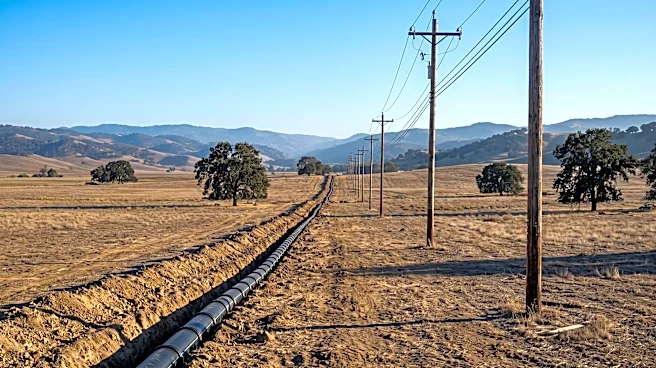
Pacific Gas and Electric Company (PG&E) has submitted a proposed 10-Year Electrical Undergrounding Plan to the California Office of Energy Infrastructure Safety. This plan aims to place approximately 5,000 miles of electric distribution lines underground
between 2028 and 2037. The initiative targets areas where undergrounding is projected to offer the most significant reduction in wildfire risk. According to PG&E, burying power lines in these high-risk zones can decrease ignition risk by nearly 98% and enhance reliability by reducing outages by 90%. The company utilizes advanced data analytics and risk modeling to identify optimal locations for undergrounding, considering factors such as wildfire likelihood, potential consequences, system reliability, customer impact, and project costs and benefits. The plan also outlines that if undergrounding is not the most suitable solution for a specific area, PG&E may implement other system upgrades, including reinforced poles and covered powerlines. The proposal covers more than 30 counties across Northern and Central California.
Why It's Important?
This extensive undergrounding plan is crucial for California, a state frequently impacted by devastating wildfires, many of which have been linked to utility infrastructure. By significantly reducing wildfire risk, PG&E's initiative could prevent substantial loss of life, property, and natural resources. The projected $117 billion in long-term benefits, which is more than ten times the proposed investment, highlights the severe economic and societal costs associated with wildfires and power outages. Furthermore, the plan is expected to save customers approximately $6 billion in vegetation management, operations, and maintenance costs over the lifespan of the underground assets, indicating a long-term financial benefit for ratepayers. Improved grid reliability, with 90% fewer outages in undergrounded areas, will also positively impact businesses and residents who rely on consistent power for daily operations and essential services. This proactive approach to infrastructure hardening sets a precedent for other utilities operating in high-risk environments.
What's Next?
The proposed 10-Year Electrical Undergrounding Plan will undergo review by the California Office of Energy Infrastructure Safety. This agency will assess whether the plan effectively increases reliability and substantially reduces wildfire risk. If approved by Energy Safety, PG&E will then submit the plan and an application to the California Public Utilities Commission (CPUC) to request conditional approval for the plan's costs. The CPUC's decision will be critical in determining the financial feasibility and ultimate implementation of the project. PG&E anticipates that continued improvements in planning, construction practices, and supply chain coordination over the 10-year period will further enhance efficiency and reduce costs. By the end of 2027, PG&E aims to have completed over 1,900 miles of undergrounding and approximately 2,000 miles of overhead system upgrades in high wildfire-risk areas since the inception of these programs. Subject to regulatory approval, the company expects to underground or upgrade more than 11,000 miles of powerlines in high wildfire-risk areas by the end of 2037.
Beyond the Headlines
The shift towards extensive undergrounding by PG&E represents a significant evolution in utility infrastructure management, moving beyond reactive measures to a more preventative and resilient approach. This plan underscores a broader societal recognition of the escalating risks posed by climate change and the need for robust infrastructure to withstand environmental challenges. The substantial investment and projected long-term savings highlight a potential paradigm shift in how utilities calculate the value of infrastructure improvements, moving beyond immediate costs to encompass avoided damages and enhanced societal benefits. Ethically, this plan reflects a commitment to public safety and environmental stewardship, addressing past criticisms regarding the utility's role in wildfire incidents. The use of advanced data analytics and risk modeling also signifies a growing reliance on technology to inform critical infrastructure decisions, potentially setting new industry standards for risk assessment and mitigation in the utility sector. This initiative could influence regulatory frameworks and investment strategies for utilities nationwide, particularly in regions vulnerable to natural disasters.