



What's Happening?
President Trump has been sending mixed signals regarding the United States' involvement in the ongoing conflict with Iran. Despite deploying additional American troops to the Middle East, Trump has made contradictory statements about the necessity of
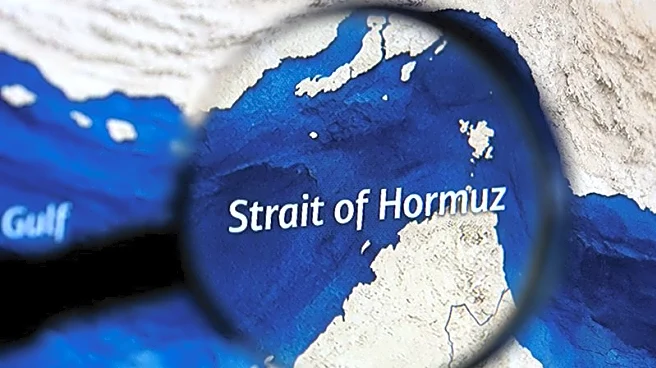
international support and the impact of the Strait of Hormuz's closure. His approach has been characterized by embellishments and inconsistencies, leading to confusion among allies and critics alike. The situation is further complicated by Trump's claims of private conversations with former presidents, which have been denied by their representatives. As the conflict enters its second month, Trump's unpredictable communication style is being scrutinized in the high-stakes environment of war.
Why It's Important?
The mixed messages from President Trump regarding the Iran conflict have significant implications for U.S. foreign policy and military strategy. The lack of a coherent long-term strategy could undermine international alliances and create uncertainty among U.S. allies. Domestically, the president's approach may affect public opinion and political support, particularly as the conflict continues without clear objectives or outcomes. The potential for escalation or prolonged engagement poses risks to U.S. military personnel and could strain resources. Additionally, the administration's need for congressional support for war funding highlights the political challenges Trump faces, especially with upcoming elections.
What's Next?
The future of U.S. involvement in the Iran conflict remains uncertain, with potential for both escalation and diplomatic resolution. The administration may seek additional funding from Congress, which could face resistance from budget-conscious lawmakers. Public and political pressure may increase if the conflict continues without resolution, potentially impacting the president's approval ratings and electoral prospects. The administration's handling of the situation will likely be closely monitored by both domestic and international stakeholders, with potential implications for U.S. foreign policy and military strategy.