



What's Happening?
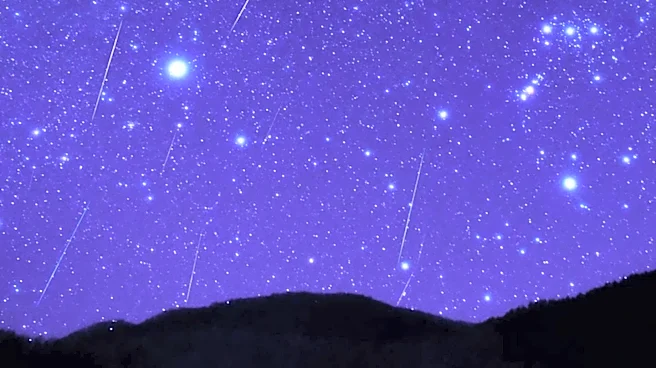
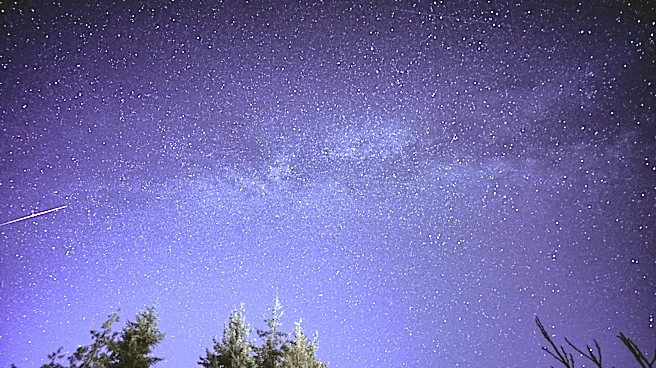
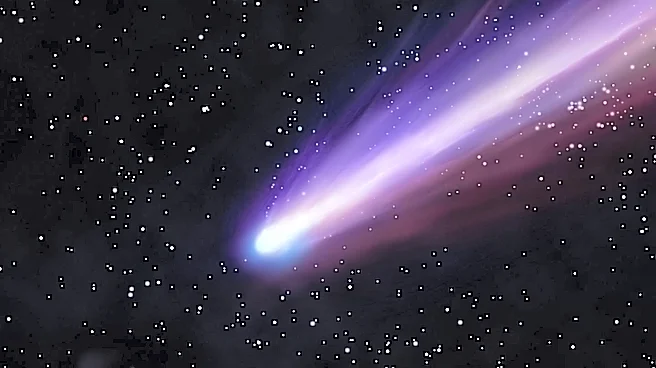
The Perseid meteor shower, one of the most anticipated annual celestial events, has commenced and will continue until August 24, 2026. This meteor shower is renowned for its bright and numerous shooting stars, which are caused by Earth passing through
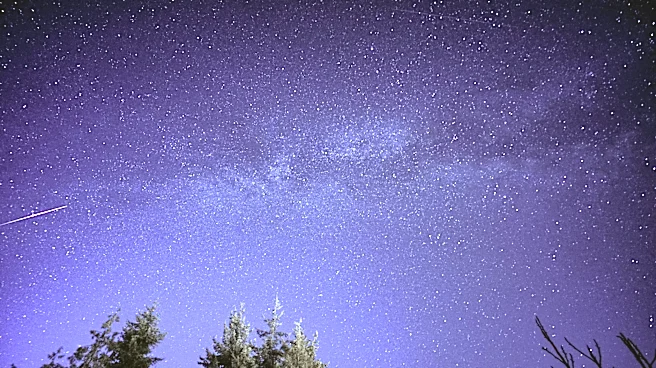
debris left by Comet 109P/Swift-Tuttle. The meteors, traveling at approximately 37 miles per second, create visible streaks of light in the night sky. The shower is named after the constellation Perseus, from which the meteors appear to radiate. This year, the peak is expected on the night of August 12-13, coinciding with a new moon, which will provide optimal dark sky conditions for viewing. Observers in the Northern Hemisphere, particularly those in dark areas away from city lights, could see up to 100 meteors per hour during the peak.
Why It's Important?
The Perseid meteor shower is a significant event for both amateur and professional astronomers, as well as the general public interested in celestial phenomena. It offers a unique opportunity for educational outreach and public engagement in astronomy. The event also highlights the importance of preserving dark skies, as light pollution can significantly diminish the visibility of such natural spectacles. Economically, the meteor shower can boost local tourism in areas known for clear, dark skies, as enthusiasts travel to optimal viewing locations. Additionally, the event underscores the ongoing interest in space and astronomy, potentially inspiring future generations to pursue careers in these fields.
What's Next?
As the Perseid meteor shower progresses, interest and activity will likely increase, especially as the peak approaches. Astronomy clubs and observatories may organize viewing events, providing telescopes and expert guidance to enhance the experience. The media will continue to cover the event, offering tips on the best viewing practices and locations. Following the Perseids, other meteor showers, such as the Alpha Capricornids and Southern Delta Aquariids, will also be active, providing additional opportunities for stargazing throughout the summer.