






What's Happening?
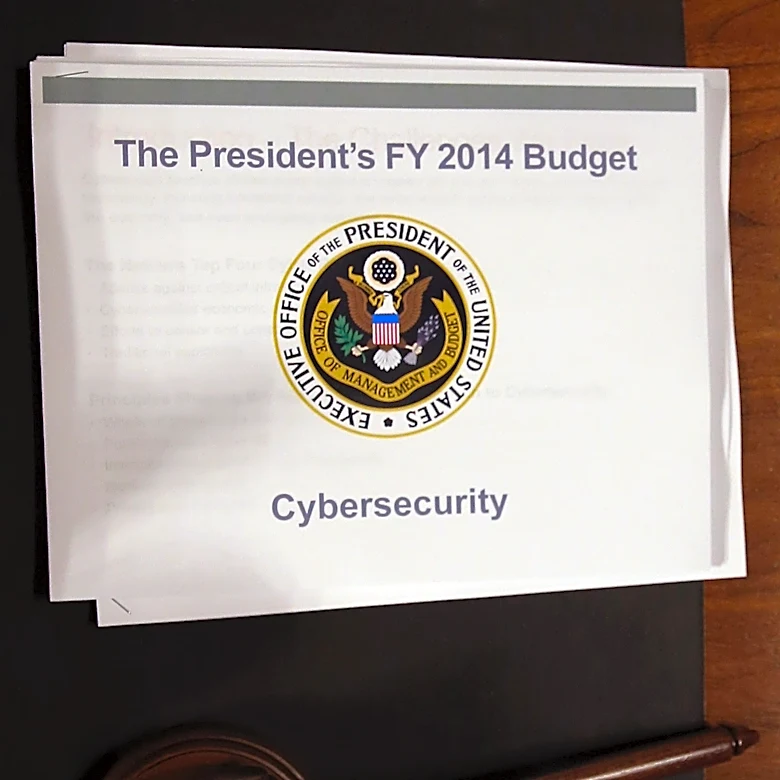
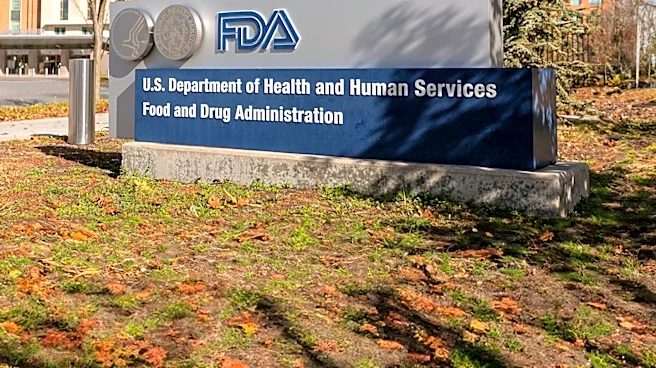
The U.S. Department of Health and Human Services (HHS) and the FDA submitted an 'Interim Access Policy for Compounding Using Certain Peptides' to the Office of Management and Budget for regulatory review on October 14, 2026. This move comes as the FDA has
intensified enforcement actions against research-use-only peptide sellers and high-volume compounders since August 2026. While senior HHS leadership has publicly supported broader access to peptides, the FDA has not yet added any peptide to its 503A Bulks List, which would allow pharmacies to compound them. The advisory committee's July 2026 recommendations to add six peptides to this list are advisory only, and formal rulemaking has not begun. Any near-term access is likely to come through temporary FDA enforcement discretion, which would not constitute product approval and could be withdrawn.
Why It's Important?
This development signifies a critical juncture for the peptide market in the U.S., impacting wellness providers, compounding pharmacies, and consumers. The lack of clear federal guidelines has created a 'gray market,' leading to inconsistent product quality and safety concerns, as evidenced by recent illnesses linked to contaminated compounded products. The potential interim policy, likely involving enforcement discretion, could open a prescription-only channel through licensed pharmacies, offering a more regulated pathway for certain peptides. However, it would not cover research-use-only products or dietary supplements, leaving a significant portion of the market unregulated. This situation creates both opportunities for compliant businesses and risks for those operating outside the licensed system, highlighting the need for careful navigation of evolving regulations.
What's Next?
A clear federal pathway for peptides is not expected before 2027, with finalization potentially extending into 2028, overlapping with the 2028 presidential election. This timeline introduces political uncertainty, as an interim policy could be quickly reversed by a new administration, and a final rule might face challenges under the Congressional Review Act or Administrative Procedure Act. Wellness companies are advised to prepare for a regulated market by ensuring accurate communication about product status, reviewing sales channels to transition towards licensed, prescription-based models, partnering with compliant pharmacies and prescribers, and preparing for potential conditions like patient disclosures and adverse event reporting. Congress is also expected to weigh in through oversight hearings and the fiscal year 2027 Agriculture-FDA funding bill.
Beyond the Headlines
The ongoing debate and regulatory actions surrounding peptides reflect broader challenges in integrating novel health and wellness products into existing pharmaceutical frameworks. The tension between consumer demand, scientific evidence, and regulatory oversight is evident. The FDA's cautious approach, despite HHS's push for broader access, underscores the complexities of ensuring public safety while fostering innovation. The involvement of political considerations, particularly the 2028 presidential election, adds another layer of unpredictability to the regulatory landscape. This situation could set precedents for how other emerging health products are regulated, influencing the future of functional medicine, longevity clinics, and telehealth platforms in the U.S.