


What's Happening?
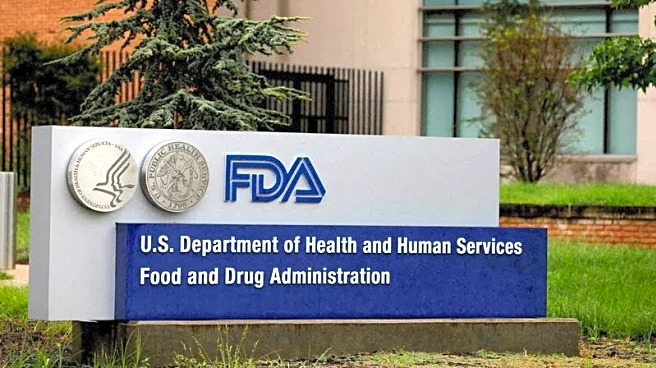
The U.S. Food and Drug Administration (FDA) has declined to consider Moderna's application for a new flu vaccine based on mRNA technology. The decision was attributed to inadequacies in the clinical trial design, particularly concerning the control group
for participants over the age of 65. The FDA stated that these participants should have received a high-dose flu shot instead of a standard one, which was not the case. Moderna claims that the trial design was previously approved by the FDA, and the company included a high-dose vaccine group in the trial. However, the FDA found the evidence insufficient for approval. The rejection has sparked criticism from experts who argue that the decision reflects an anti-vaccine agenda and could deter future vaccine development.
Why It's Important?
The FDA's decision to reject Moderna's mRNA flu vaccine application is significant as it may impact the future of vaccine development, particularly those using mRNA technology. This technology has been pivotal in the rapid development of COVID-19 vaccines and holds potential for addressing other infectious diseases. The rejection could discourage pharmaceutical companies from investing in new vaccine trials due to perceived regulatory unpredictability. Additionally, an mRNA flu vaccine could offer benefits such as improved efficacy and flexibility in responding to flu mutations, which are crucial for public health. The decision also raises concerns about the FDA's consistency in regulatory standards, potentially affecting the U.S. market's attractiveness for vaccine manufacturers.
What's Next?
Moderna may revise its application to focus on a different age group, such as those aged 50 to 64, which the FDA indicated might be more acceptable for review. The company could also address the FDA's concerns by providing additional data or modifying the trial design. Meanwhile, the broader vaccine development community will likely monitor the situation closely, as the FDA's stance could influence future regulatory strategies and investment decisions. Stakeholders, including public health officials and pharmaceutical companies, may advocate for clearer guidelines to ensure that innovative vaccines can reach the market without unnecessary delays.
Beyond the Headlines
The FDA's rejection of Moderna's application highlights deeper issues within the regulatory framework for vaccines. The decision underscores the tension between maintaining rigorous safety standards and fostering innovation in vaccine development. It also raises ethical questions about the balance between regulatory oversight and the need for new vaccines to address public health challenges. The situation may prompt discussions on how to streamline the approval process for vaccines, particularly those using novel technologies like mRNA, to ensure that public health needs are met without compromising safety.