





What's Happening?
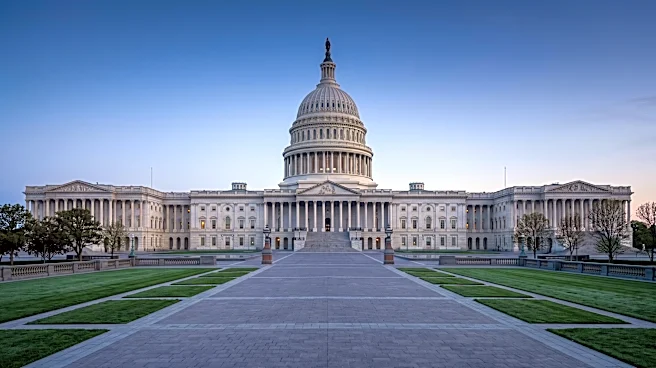
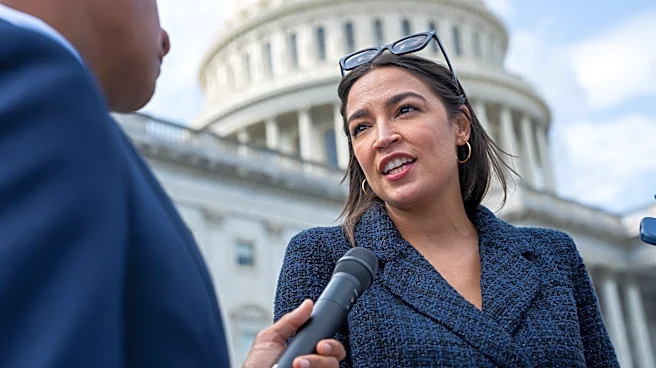
Republican Senator Marsha Blackburn and Democratic Senator Richard Blumenthal have demanded a confidential document from TikTok regarding an algorithm experiment that reportedly exposed millions of users, including minors, to potentially harmful content.
This demand follows the death by suicide of 16-year-old Chase Nasca from Bayport, New York. An internal review of Nasca's TikTok account revealed that before his death, the platform's algorithm had shown him thousands of videos related to sadness, hopelessness, loneliness, and suicide. TikTok has refused to provide the document, citing ongoing legal proceedings. The confidential document, obtained and published by Bloomberg Businessweek, indicates that TikTok conducted an experiment in 2023 where a safety mechanism designed to break 'filter bubbles' of harmful content was intentionally disabled for 10% of its U.S. users, approximately 15 million people, including Nasca.
Why It's Important?
This situation raises serious concerns about the ethical responsibilities of social media platforms, particularly regarding the well-being of minor users. The alleged intentional disabling of a safety mechanism for an algorithm experiment, which may have contributed to a teenager's exposure to harmful content before his suicide, highlights a critical intersection of technology, mental health, and corporate accountability. The senators' demand for transparency underscores the growing legislative scrutiny on tech companies' algorithms and their impact on user behavior and mental health. This incident could prompt further regulatory action and calls for greater oversight of how social media platforms design and deploy their algorithms, especially when minors are involved. It also brings to the forefront the debate on whether profit motives are prioritized over user safety.
What's Next?
The refusal by TikTok to provide the requested document will likely escalate the confrontation with Senators Blackburn and Blumenthal. Both senators have expressed strong dissatisfaction with TikTok's response, with Senator Blumenthal calling it "insulting" and stating that the days of tech companies avoiding accountability are ending. This could lead to further congressional pressure, potentially including subpoenas for the document or calls for more stringent legislative measures to regulate social media algorithms. The ongoing legal proceedings mentioned by TikTok will also be a key factor, as their outcomes could set precedents for corporate responsibility in the digital space. Public and parental advocacy groups are also likely to increase pressure on TikTok and other platforms to implement more robust safety features and greater transparency regarding their algorithmic practices.
Beyond the Headlines
This incident delves into the complex ethical landscape of artificial intelligence and its application in social media. The concept of an algorithm intentionally disabling a safety mechanism for an 'experiment' raises profound questions about corporate ethics, informed consent, and the potential for algorithmic harm. The 'Werther effect,' or suicide contagion, is a well-documented phenomenon, and exposing vulnerable individuals, especially adolescents, to a continuous stream of suicidal content carries significant risks. The case of Chase Nasca highlights the potential for algorithms to create dangerous 'filter bubbles' that reinforce negative thought patterns, even when users are also engaging with positive content. This situation underscores the urgent need for a societal dialogue on how to balance technological innovation with human well-being, particularly for younger generations who are growing up immersed in these digital environments. It also challenges the notion that platforms are merely neutral conduits of information, suggesting a more active role in shaping user experiences and, potentially, mental states.